Things to Do in Palma de Mallorca: The Complete City Guide (2026)
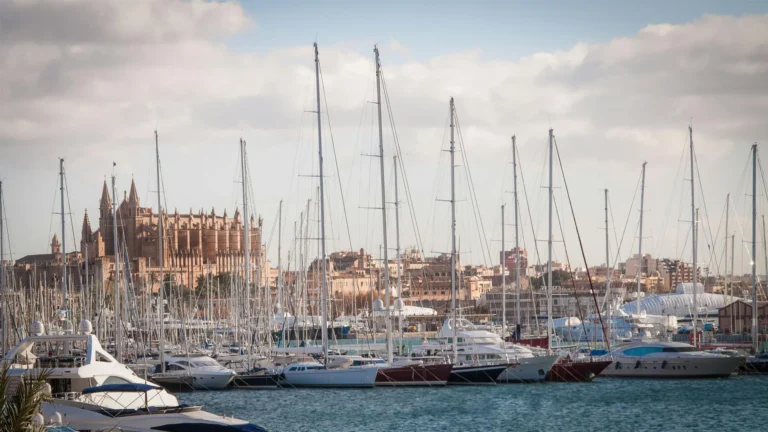
Step off the ferry or leave the maritime promenade along the Dársena de Can Barbarà, and the first sensation that registers about Palma is the sheer physical weight of its sandstone. Golden marés limestone, quarried centuries ago from the coastal cliffs of Santanyí and Portals Vells, rises in perpendicular ramparts directly out of the saltwater basin of the Parc de la Mar. Palma is neither a sleepy fishing outpost nor an artificial resort enclave built for transient package holidays. It is a dense, working Mediterranean maritime capital of 420,000 residents, where Roman street foundations, Moorish hydraulic channels, soaring Catalan Gothic vaults, and modernist palaces sit cheek-by-jowl within a crescent of 16th-century bastion walls.
Whether you have 24 hours between coastal excursions or a dedicated multi-day urban stay, this authoritative 2026 guide unpacks the essential historic landmarks, the quiet medieval alleyways of the Call Jueu, neighborhood culinary rituals, and hard logistical realities of navigating the Balearic capital without falling into tourist traps. For an overview of the wider island before zeroing in on the capital, consult our comprehensive Things to Do in Mallorca portal.
Palma at a Glance: Essential Travel Intelligence (2026)
- Airport Transit: EMT Bus Line A1 runs every 12–15 minutes from Terminal Arrivals (Level 0) to Plaça d’Espanya and Passeig de Mallorca (€5.00 single ticket; contactless bank cards accepted). Regulated taxi rank: €22–€28 flat range.
- City Transit: Blue EMT city buses cost €2.00 per ride. Tap your debit or credit card directly at the driver’s console reader upon boarding.
- Vehicle Warning: The historic center is an ACIRE zone (restricted motor access). Surveillance cameras photograph number plates; entering without a municipal hotel permit triggers an automated €90 fine. Park at Parc de la Mar underground parking (€2.80/hr).
- Primary Regional Transit Gateway: Estació Intermodal at Plaça d’Espanya connects the capital to the rest of the island via red-and-yellow TIB buses and SFM trains.
1. The Gothic Citadel: Dalt Murada & The Royal Acropolis
The southern cliff of the old city, known locally as Dalt Murada (“Above the Wall”), represents the political and religious epicenter of Mallorca. Everything here was conceived on a monumental scale to demonstrate Aragonese naval dominance across the western Mediterranean.
Palma Cathedral (La Seu)
When King Jaume I of Aragon set sail from Salou in September 1229 to wrest Mallorca from the Almohad Caliphate, an autumn storm threatened his fleet. He vowed to the Virgin Mary that if they survived, he would build a cathedral to her honor on the site of the Moorish grand mosque. Ground was broken in 1230, the high altar was consecrated in 1346, and the monumental main nave was finally enclosed in 1601.
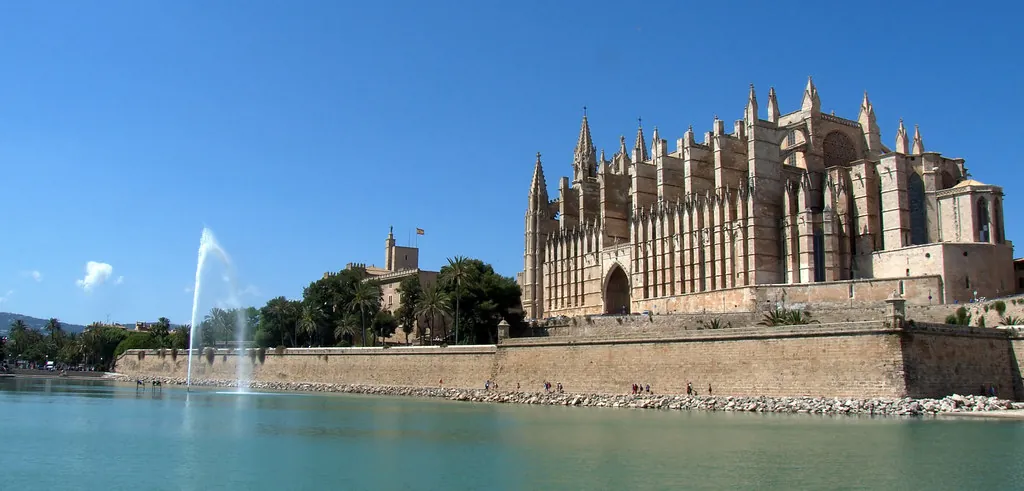
The sheer dimensions of Palma Cathedral defy standard northern European Gothic geometry. Its central nave vault stands at 44 meters, supported by 14 slender octagonal columns that measure just 1.47 meters across. It is one of the most daring feats of medieval masonry in southern Europe; the lateral thrust of the limestone vaults is carried outside through double tiers of flying buttresses anchored directly into the old sea wall.
Two major artistic interventions define the interior. Between 1904 and 1914, modernist architect Antoni Gaudí reconfigured the liturgical space at the invitation of Bishop Pere Joan Campins. Gaudí removed the heavy Gothic choir stalls from the center of the nave to open views of the high altar, suspended an enormous wrought-iron Crown of Thorns baldachin adorned with 35 brass lamps above the altar, and reopened sealed medieval stained-glass clerestories. In 2007, contemporary Mallorcan artist Miquel Barceló completed his 300-square-meter cracked ceramic mural in the Capella del Santíssim, evoking the miracle of the loaves and fishes with raw Mediterranean iconography: sea bream, octopuses, and loaves bursting from baked clay.
“The central rose window of La Seu—known as l’ull del gòtic (the eye of the Gothic)—spans 13.8 meters in diameter and contains 1,236 pieces of mouth-blown glass. Twice each year, on February 2 and November 11 at 08:30 AM, morning sunlight projects this rose window directly beneath the western rose on the opposite facade, forming a brilliant figure-eight known as the Festa de la Llum.”
Capitular Archive of Mallorca
Visitor Practicalities:
- Standard Entry: €10 at the ticket counter (€11 online skip-the-line with booking fee). Includes entrance to the cathedral chapter house museum.
- Roof Terraces (Terrasses de la Seu): €25. Open Monday to Saturday from April through October. Access involves a 215-step spiral stone staircase; children under 8 are barred.
- Operating Hours: Monday–Friday 10:00–17:15, Saturday 10:00–14:15. Closed Sundays for services.
- Dress Code: Covered shoulders and knees strictly enforced at the gate.
Insider Tip: To photograph the cathedral without crowds, arrive at the lower basin of Parc de la Mar at 07:45 AM before tour coaches arrive. The early morning sun reflects off the saltwater lagoon, throwing a sharp mirror image of the soaring buttresses across the water.
Royal Palace of La Almudaina (Palau Reial de l’Almudaina)
Standing opposite the cathedral across the Plaça de la Seu is the Royal Palace of La Almudaina. Originally built as the Muslim alcázar (citadel) of the Moorish governors, the fortress commanded the maritime approaches to the old harbor basin. Following the Christian conquest, King Jaume II transformed the complex into a royal residence for the independent Kingdom of Majorca between 1305 and 1314. Today, it remains an official residence of the Spanish Royal Family for state ceremonies.
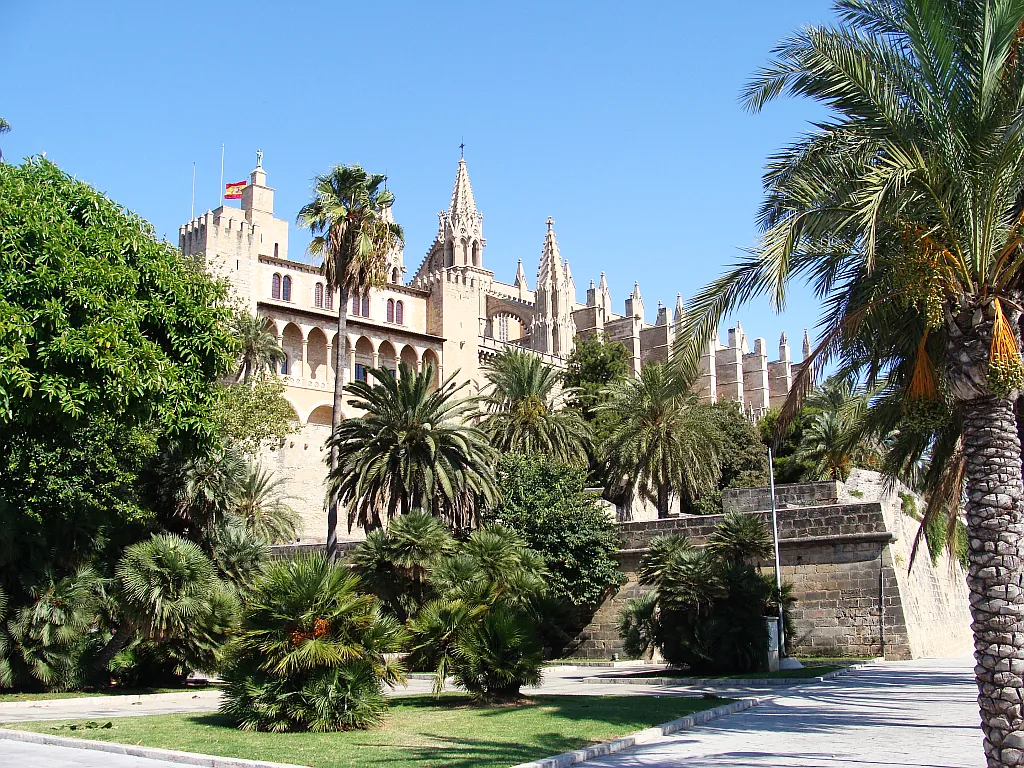
The interior reflects an austere Catalan Gothic royal layout. The Saló Gòtic (Great Hall), once divided into two levels by King Philip II in the 16th century, features pointed stone arches and monumental stone fireplaces. Flemish tapestries depicting 17th-century Spanish naval history line the stone walls. In the Capella de Santa Anna, examine the Romanesque marble portal—a rare Romanesque work in the Balearics—before walking onto the Cort d’Honor terrace overlooking the gardens of S’Hort del Rei.
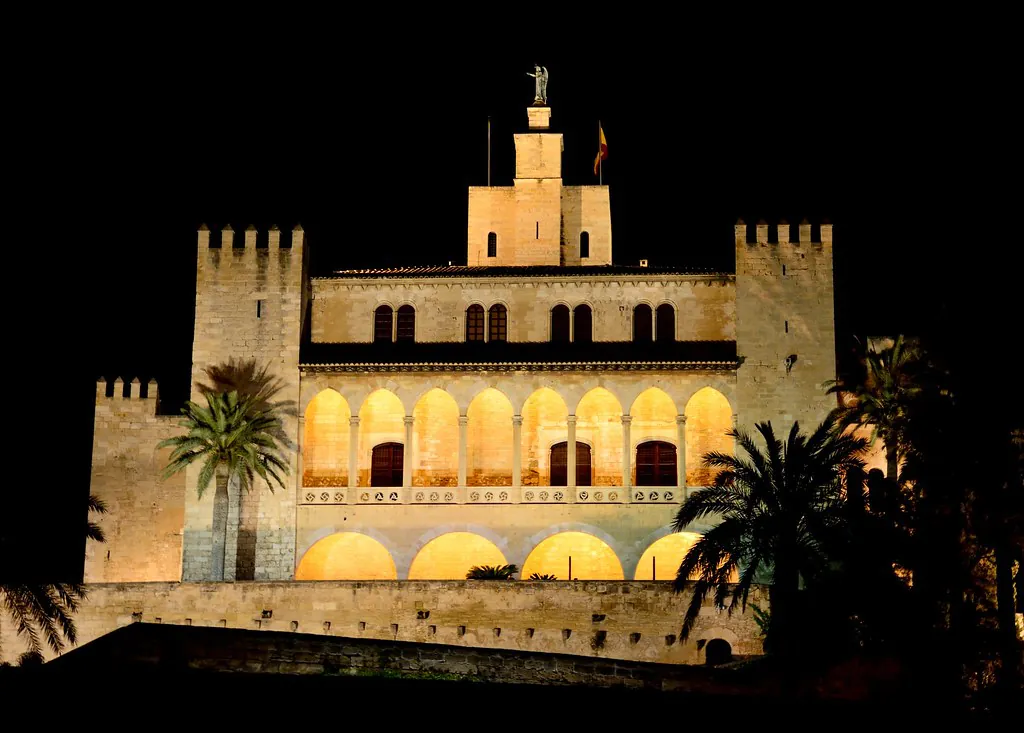
Almudaina Entry Details: General admission is €7.00. Free Entry Window: Citizens of the European Union can enter free on Wednesdays and Sundays between 15:00 and closing (18:00 October–March; 19:00 April–September) upon presenting national identification or a passport at the turnstile.
2. Echoes of Medina Mayurqa: The Arab Baths & The Jewish Quarter
To grasp the urban origins of Palma, leave the wide boulevards and venture into the tight alleys of the Call Jueu (historic Jewish Quarter) and the Santa Clara quarter. Here, the street layout reflects the 10th-century urban design of Madina Mayurqa under the Caliphate of Córdoba.
Banys Àrabs (The Arab Baths)
Tucked into Carrer de Can Serra, the Banys Àrabs are the only surviving architectural structure from Palma’s Moorish era. Dating from the 10th to 11th centuries, this bathhouse belonged to the private residence of an Islamic nobleman.
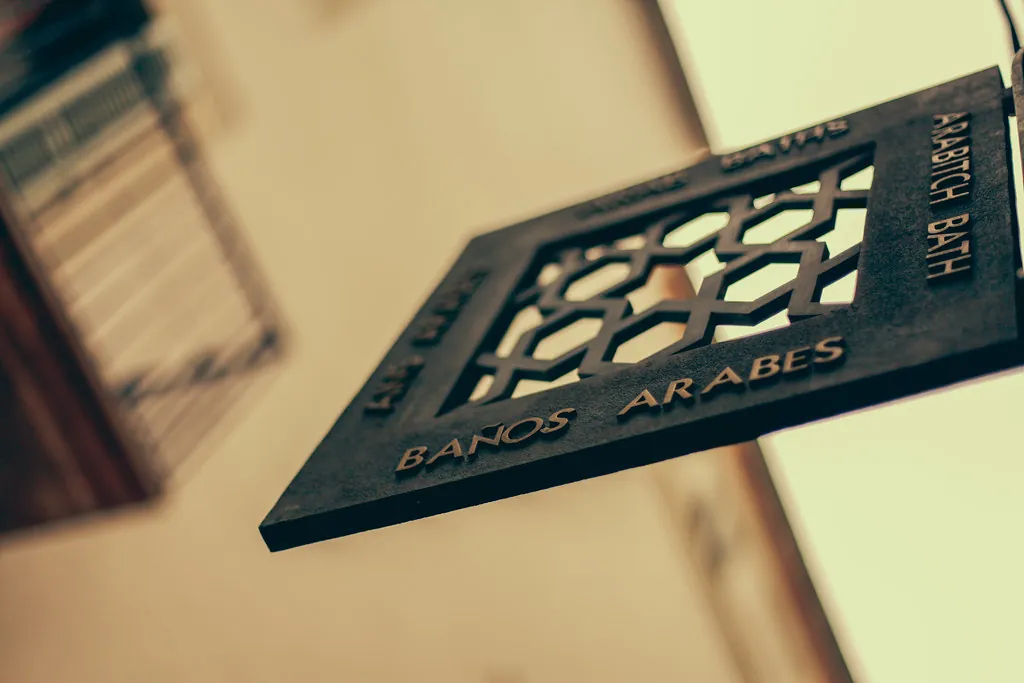
The central hot room (caldarium) displays clever historic engineering. A horseshoe-arched brick dome rests upon twelve marble columns topped with mismatched capitals salvaged from earlier Roman and Byzantine structures. Five star-shaped skylights pierce the ceiling, allowing steam to escape while trapping geothermal warmth below. Outside, a walled garden shaded by bitter orange trees, climbing jasmine, and bougainvillea offers one of the most peaceful respites in the old center.
Practical Information: Admission is €3.00 (cash or card at the desk). Open daily from 09:30 to 19:00 (closing at 18:00 November through March). Plan for 25 to 30 minutes.
The Aristocratic Courtyards (Els Patis de Palma)
Between the 15th and 18th centuries, Palma’s mercantile and noble dynasties erected palatial residences (casals) throughout the Call and La Calatrava. Facing narrow streets, these mansions presented plain sandstone facades to the exterior, channeling all ornamentation into an inner courtyard: the pati.
A classic Palma courtyard features a vaulted entrance arch, river-pebble cobblestones (empedrat), wide segmental marés arches, an open stone staircase leading to the family’s living quarters, and a carved wellhead. Wrought-iron grilles (reixes) permit passersby to view these courtyards from the street without entering private quarters.
Notable courtyards along Carrer de Can Savellà, Carrer de la Portella, and Carrer de Monti-Sión include:
- Can Vivot (Carrer de Can Savellà, 4): Renowned for its polished red marble columns from Biniamar and baroque stone loggia.
- Can Marquès (Carrer de Can Sanç, 24): Featuring a 14th-century Gothic wellhead and 17th-century covered imperial staircase.
- Cal Comte d’Empúries (Carrer del Carme, 22): An imposing Renaissance courtyard displaying monumental marés pillars and family coats of arms.
- Can Balaguer (Carrer de la Unió, 3): A restored 18th-century noble residence open free to the public, preserving original aristocratic furnishings and courtyards.
To navigate these alleys with a local historian who knows which private courtyard gates are kept open on weekday mornings, join one of the licensed free walking tours in Palma that set off daily from Plaça d’Espanya and Plaça Major.
3. Fortresses & Ramparts: Castell de Bellver & Es Baluard
Palma’s military geography evolved around coastal defense against North African corsairs and Mediterranean fleets. Two primary fortifications illustrate this defensive legacy: one circular and medieval, the other a Renaissance bastion repurposed for contemporary art.
Castell de Bellver: Europe’s Circular Gothic Enigma
Standing atop a 112-meter hill west of the harbor amidst the Aleppo pine woods of Bosque de Bellver, Castell de Bellver is an architectural rarity. Commissioned in 1300 by King Jaume II and completed by master mason Pere Salvà in 1311, it remains one of Europe’s few circular Gothic castles and the oldest intact circular fortress on the continent.
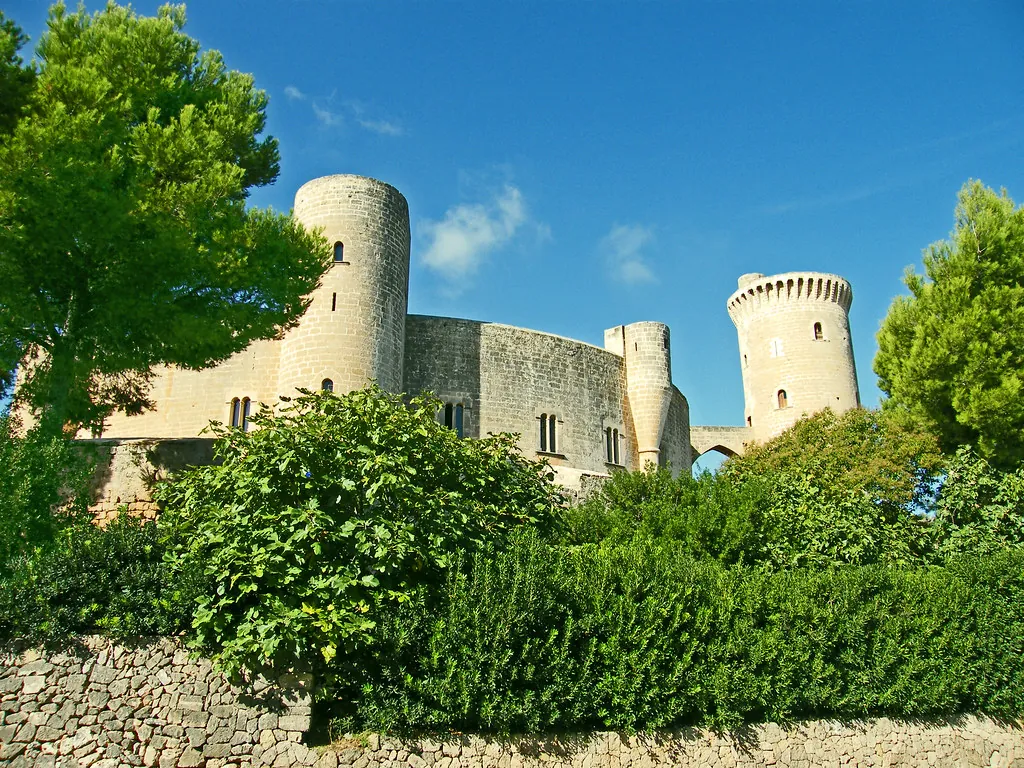
The fortress comprises a cylindrical structure encircling a circular two-level central courtyard. The lower arcade features semicircular Romanesque arches, while the upper gallery displays pointed Gothic rib vaults of refined geometry. Three semi-circular towers are integrated into the curtain wall, while the fourth—the free-standing Torre de l’Homenatge (Keep)—is linked by an elevated stone bridge across a dry moat. Over the centuries, Bellver transitioned from a royal retreat into a military prison housing figures like Enlightenment writer Gaspar Melchor de Jovellanos.
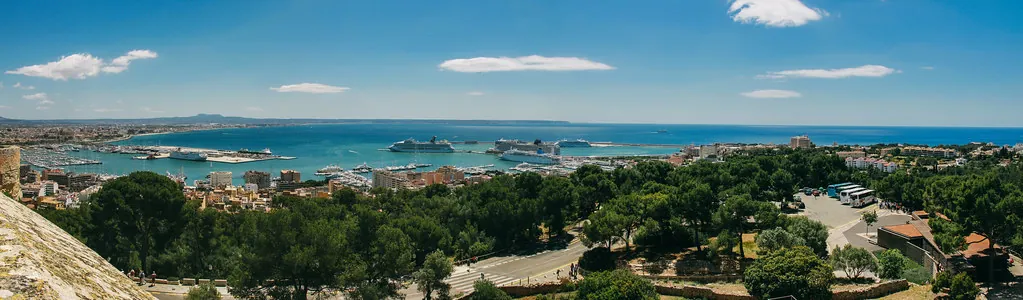
The castle’s roof terrace offers a comprehensive panorama of the island (explaining its Catalan name: Bell veer, meaning “Beautiful View”). Looking east, the entire sweep of the city reveals itself, from the cruise piers at Dic de l’Oest past La Seu toward the mountain ridges of the Serra de Tramuntana. The ground floor houses the Palma Municipal History Museum.
How to Reach Bellver Castle: Transport & Hiking Logistics
- By EMT City Bus: Take EMT Line 4 or Line 46 to Plaça Gomila in El Terreno. Walk up Carrer de Bellver to the park foot, then climb the stone stairs (468 steps) through the pine forest (about 20 minutes uphill).
- By Taxi: Cabs from Plaça de la Reina or Passeig des Born drive directly to the castle gates for €8.00–€10.00.
- Entry & Free Days: Admission is €4.00 (€2.00 reduced). Sundays are free for all visitors (10:00–15:00), though museum exhibit rooms are closed on Sundays while courtyards and battlements remain open. Closed Mondays.
Es Baluard Museu d’Art Contemporani
Where the medieval city walls met the torrential riverbed of Sa Riera, Spanish military engineer Giovan Giacomo Paleari Fratino fortified the Baluard de Sant Pere in the late 16th century. Today, that fortress houses Es Baluard Museu d’Art Contemporani.
The museum blends industrial concrete and glass galleries directly into the historic sandstone ramparts and gun casemates. The permanent collection holds over 700 works focusing on Mediterranean modern artists, including paintings, sculptures, and ceramic plates by Joan Miró (who maintained his studio in Palma from 1956 until 1983), Pablo Picasso, Antoni Tàpies, and Miquel Barceló.
Beyond the galleries, walking the elevated bastion ramparts is essential. The walls offer clear views over the marina at Club de Mar, the old windmills of Santa Catalina, and the Mediterranean horizon. Afterward, unwind with a vermut at the terrace lounge built directly onto the battlements.
Practical Details: Located at Plaça de la Porta de Santa Catalina, 10. Open Tuesday to Saturday 10:00–20:00, Sunday 10:00–14:00 (closed Mondays). General admission is €6.00 (€4.50 if arriving by bicycle with helmet). On Fridays, admission is “Pay What You Wish” (minimum €0.10).
4. Palma’s Living Quarters: Markets, Modernisme & Culinary Rituals
Beyond its ticketed monuments, Palma’s personality comes alive in its historic residential neighborhoods, each shaped by traditional food markets and local trade.
Santa Catalina: The Fishermen’s Quarter & Covered Market
West of the ancient ramparts lies Santa Catalina, historically home to boatbuilders, rope makers, and fishermen. Its low-rise streets retain traditional wooden louvers (persianes mallorquines) and wrought-iron balconies. At its center stands the Mercat de Santa Catalina, established in 1920 as the city’s oldest covered food market.
Visit between 10:00 and 12:30 for peak morning market activity. Stalls display fresh Sóller red prawns (gambes vermelles), Mediterranean cuttlefish (sépia), cured strings of paprika-laced sobrassada de porc negre, and raw-milk Mahón cheese wheels. For a classic market meal, pull up a stool at Bar Joan Frau for a plate of frit mariner (pan-fried cuttlefish, prawns, potatoes, and wild fennel), or sample Galician oysters and Balearic white wine at La Deliciosa.
On Saturday afternoons, the pedestrian streets along Carrer de Sant Magí and Carrer de la Fàbrica become the stage for tardeo—a popular ritual where lunch extends into afternoon drinks, vermut, and socializing that concludes before nightfall.
La Llotja & Passeig des Born: Merchant Splendor
Bordering the waterfront, La Llotja served as the maritime merchant guild of 15th-century Mallorca. The architectural centerpiece is Sa Llotja, built between 1420 and 1452 by master architect Guillem Sagrera. This Gothic trading hall features four corner turrets and a cavernous hall where six spiraled, fluted columns rise like stone palm trees into vaulted ribs. Entry is free during rotating art exhibitions.
Just inland lies Passeig des Born, Palma’s grand shaded promenade laid out over the diverted bed of the Torrent de Sa Riera. Bordered by plane trees, stone sphinxes, and 19th-century mansions, it now hosts outdoor cafe terraces and art galleries along Carrer de Sant Feliu.
Around Plaça del Mercat and Carrer del Colom, observe Palma’s striking Modernisme facades, influenced by Barcelona’s art nouveau:
- Can Casasayas and Pensió Menorquina (Plaça del Mercat): Built between 1908 and 1911 by Francesc Roca Simó, featuring undulating stone walls and iron balconies evoking Gaudí’s organic forms.
- Can Forteza-Rey (Carrer del Marquès del Palmer): A five-story facade decorated with colorful ceramic tile mosaics (trencadís) and sculptural stone reliefs.
- Gran Hotel (Plaça de Weyler): Designed in 1903 by Lluís Domènech i Montaner, this landmark building introduced Modernisme to Mallorca and now houses CaixaForum.
The Historic Bakeries & The Soul of Ca’n Joan de s’Aigo
Experiencing Palma’s afternoon merienda (afternoon tea) at Ca’n Joan de s’Aigo is an essential cultural ritual. Founded in 1700 by Joan de s’Aigo, the venue originated when he harvested ice from mountain snow pits (cases de neu) in the Serra de Tramuntana to prepare fruit syrups for the aristocracy.
Inside the historic salon at Carrer de Can Sanç, 10, complete with painted tiles, brass chandeliers, and marble-topped tables, order an ensaïmada llisa (the traditional spiral yeast pastry made with pork lard, or saïm). Dust it with confectioner’s sugar and pair it with homemade gelat d’ametlla (raw Mallorcan almond ice cream) or a cup of thick dipping chocolate (xocolata desfeta). For further gastronomic context, explore our guide to traditional Mallorcan foods.
For a savory snack, order a llonguet at Bar Bosch (Plaça Rei Joan Carles I, founded 1936) or Bar Rita (Plaça de Santa Eulàlia). This crusty, oval bread roll unique to Palma is split, rubbed with ripe tomàtiga de ramellet, drizzled with virgin olive oil, and toasted with cured Iberian ham, sobrassada, or aged Mahón cheese.
5. Experiencing Palma: Guided Walks, Free Tours & Bay Cruises
Because Palma’s medieval core is heavily pedestrianized and its most evocative treasures—from hidden patio archways to medieval convent turnstiles—are tucked behind high sandstone facades without obvious signage, joining a local guided tour provides immense historical context. Whether you prefer tip-based walking tours, evening tapas crawls, or coastal catamaran cruises, several distinct tour formats stand out:
Free Walking Tours of Palma Old Town & Legends
Daily tip-based free walking tours are by far the most popular and cost-effective way to get oriented in the historic center. Licensed local historians guide small groups through the narrow cobblestone lanes of the Gothic quarter, stopping at Plaça Major, Plaça de Cort, the medieval Jewish Quarter (Call Jueu), the Convent of Santa Clara, and the monumental ramparts of Dalt Murada.
- Starting Points: Most morning tours depart from Plaça d’Espanya (beside the statue of King Jaume I) or Plaça Major. Evening “Mysteries and Legends” tours depart at dusk near the Cathedral.
- Duration & Languages: 2 to 2.5 hours; available daily in English, Spanish, and German.
- Cost: Free to book; pay what you feel the tour was worth at the end (€10–€15 per person is customary for quality guiding).
Culinary Tapas & Wine Tasting Walks
For food lovers, an evening guided tapas tour through the former fishermen’s quarter of Santa Catalina and the Gothic alleys of La Llotja reveals culinary traditions that most casual tourists overlook. These curated walks pair regional artisanal charcuterie (sobrassada de Mallorca, cured Mahón cheese, and crispy pamboli) with four to five glasses of indigenous Balearic wines from the DO Binissalem and Pla i Llevant regions. You’ll visit traditional bodegas and bustling market stalls with an expert explaining the island’s food heritage.
Palma Bay Catamaran & Sailing Cruises
To appreciate Palma’s maritime horizon, take a 3- to 5-hour sailing cruise from the Moll Vell harbor docks right across from the Cathedral. Classic catamarans cruise along the southwestern coastline past Bellver Castle and the fortress of San Carlos, dropping anchor in the crystal-clear waters of Illetes or Cala Blava for swimming, stand-up paddleboarding, and snorkeling along limestone reefs. Most afternoon trips include a freshly grilled barbecue lunch served on board.
Panoramic Coastal Bike & E-Scooter Tours
Palma features an unbroken, dedicated coastal cycleway that stretches for over 15 kilometers along the water. Guided bicycle and e-bike tours ride from the historic center out along the Passeig Marítimo, passing through the historic fishing enclave of El Portixol, the sandy crescent of Ciudad Jardín, and out toward the picturesque bay of Cala Estància. It is the breeziest, most scenic way to explore Palma’s waterfront beyond the fortified walls.
Electric Tuk-Tuk Tours of the Upper Quarter
For travelers with limited mobility or those short on time, silent 100% electric Tuk-Tuk tours navigate the tightest, steepest alleys of the upper Casco Antiguo where standard tour buses are legally prohibited. In 60 to 90 minutes, drivers wind through the Arab Baths quarter, stop for photos at panoramic viewpoints, and provide live audio commentary on hidden medieval courtyards.
6. Master Itineraries: 1-Day vs. 2-Day Walking Plans
Use these structured walking routes to navigate the historic center and outer defense sites logically on foot.
| Itinerary | Morning (09:00–13:00) | Lunch & Midday (13:00–16:00) | Afternoon & Evening (16:00–21:00) |
|---|---|---|---|
| 1-Day: The Essential Gothic Core Total walking: ~5.5 km |
• 08:30: Parc de la Mar sunrise view. • 09:30: Palma Cathedral (La Seu) interior & Gaudí baldachin. • 11:30: Royal Palace of La Almudaina. • 12:30: S’Hort del Rei gardens. |
• Stroll through Plaça de Cort (historic olive tree). • 13:30: Tapas & seafood at Mercat de l’Olivar. • Coffee on Plaça de Santa Eulàlia. |
• 16:00: Banys Àrabs & Call Jueu courtyards. • 17:30: Modernist facade walk on Plaça del Mercat. • 18:30: Ensaimada at Ca’n Joan de s’Aigo. • 20:00: Tapas and wine in La Llotja. |
| 2-Day: Culture, Castles & Coastal Quarters Total walking: ~11 km |
Day 1: Dalt Murada, La Seu roof terraces (10:00), Almudaina, Arab Baths, and Call Jueu courtyards. Day 2: Morning EMT Bus Line 4/46 to Castell de Bellver. Explore circular battlements and pine park. |
Day 1: Mercat de l’Olivar seafood and llonguets at Bar Rita. Day 2: Walk down to Santa Catalina. Lunch at Mercat de Santa Catalina (Bar Joan Frau). |
Day 1: Sa Llotja exhibition, sunset along Passeig des Born, dinner in Santa Catalina. Day 2: Modern art at Es Baluard. Sunset drinks on the bastion ramparts. |
6. Practical Logistics & Transport Intelligence (2026)
While central Palma is compact and walkable, keeping these transport realities in mind prevents unnecessary fines and transit delays.
Getting to Palma from the Airport (PMI)
Palma de Mallorca Airport (Son Sant Joan) sits 8 kilometers east of the city center. Transit options include:
- EMT Bus Line A1 (Airport – Palma City Center): Runs every 12 to 15 minutes outside Arrivals (Floor 0, Door 4). Single tickets cost €5.00 (contactless cards accepted on board). Stops include Plaça d’Espanya and Passeig de Mallorca. Journey time is 18–25 minutes.
- Airport Taxis: Official taxi queues operate outside Arrivals. Regulated fares to central Palma run from €22.00 to €28.00 on the meter, taking 15 minutes.
Getting Around the City: Bus & Regional Rail
The historical core within the Avingudes ring road is pedestrian-friendly. For outer trips like Bellver Castle or Portopí, use blue municipal EMT buses (€2.00 per ride via contactless bank card tap when boarding).
For regional day trips to Valldemossa, Sóller, or Alcúdia, head to the subterranean Estació Intermodal under Plaça d’Espanya. Here, red-and-yellow TIB buses and SFM electric trains depart across the island. Always remember the fundamental rule of TIB travel: tap your bank card upon entering AND tap the same card again on the reader beside the rear doors when exiting to ensure proper fare calculation and group discounts.
Driving & Parking Restrictions (ACIRE Warning)
Never drive an unauthorized rental car into the historic center. Palma’s old quarters are strictly monitored by automated ACIRE cameras that issue automated €90 fines. Instead, use subterranean parking garages surrounding the perimeter:
- Parking Parc de la Mar: Located beneath the cathedral wall (€2.80/hour; €26.00 daily maximum).
- Parking Plaça d’Espanya: Convenient for public transport connections (€2.50/hour).
- Parking Passeig de Mallorca: Best for Santa Catalina and Es Baluard.
Frequently Asked Questions About Palma de Mallorca
How many days should I spend in Palma de Mallorca?
Two full days offer the ideal timeframe. One day covers Dalt Murada (Palma Cathedral and Almudaina Palace), the medieval Call Jueu courtyards, and the Arab Baths. The second day allows you to visit Castell de Bellver, explore modern art at Es Baluard, browse Passeig des Born, and enjoy an evening tapas crawl in Santa Catalina.
How do I get from Palma Airport (PMI) to the city center?
EMT Bus Line A1 departs every 12 to 15 minutes outside Arrivals (Level 0). Tickets cost €5.00 per person and are paid via contactless card on board, taking 18 minutes to Plaça d’Espanya. Official taxis cost €22.00 to €28.00 on the meter and take 15 minutes.
When can you visit Palma Cathedral, Bellver Castle, and Almudaina Palace for free?
Castell de Bellver offers free admission on Sundays from 10:00 to 15:00 (courtyards and battlements are open, though municipal museum rooms are closed). The Royal Palace of La Almudaina provides free entry for EU citizens on Wednesdays and Sundays from 15:00 to closing upon presenting EU ID or passport. Palma Cathedral has no regular free tourist hours, though Sunday worship services are free for mass.
Can you explore Palma without a rental car?
Yes, Palma is best explored without a car. The center is compact and pedestrianized, and ACIRE cameras penalize unauthorized cars with €90 fines. Blue EMT buses cost €2.00 via contactless card tap, and Estació Intermodal connects the city to the entire island via TIB buses and trains.
What is the dress code for visiting Palma Cathedral (La Seu)?
Because La Seu is an active Roman Catholic church, modesty rules are strictly enforced. Shoulders and knees must remain covered for all visitors. Beachwear, sleeveless tops, and hats inside the nave are barred. Carrying a light shawl during summer is recommended.
What local dishes should I try in Palma and where?
Order a warm ensaïmada llisa with artisan almond ice cream (gelat d’ametlla) at Ca’n Joan de s’Aigo (founded 1700). For lunch, order a toasted llonguet roll with sobrassada and Mahón cheese at Bar Bosch, or sample frit mallorquí at the counter stalls inside Mercat de l’Olivar or Mercat de Santa Catalina.