
In the quiet hours of a Mallorcan morning, before the heat settles heavy over the carob trees, you can hear a sound that defines the true rhythm of our island. It is not the hum of a tourist coach or the clatter of a cafe opening its doors, but the steady, rhythmic beat of hooves on sun-baked earth. Horses are the ancient pulse of Mallorca, remnants of a time when the foravila (the countryside) was the only world we knew. For many who visit, the island is a place of turquoise coves and late-night tapas, yet for those of us who grew up here, the landscape is best understood from the saddle. I often take my dog, Cala, out toward the tracks near Algaida, and even she stops to watch when a group of riders passes by, the dust rising in golden clouds behind them. It is a connection to the land that feels proper and ancient, a way to see teh hills and valleys that a car could never reach.
Horse Riding in Mallorca on the Beach and Forest
3-Hour Beach Horse Riding to Discover the Beauty of Alcudia Bay
The Black Jewel of the Balearics: The Mallorquín Horse
To understand equestrian life here, you must first meet the Cavall de Pura Raça Mallorquina. This is our indigenous breed, a creature of striking beauty with a coat as black as a winter night and a temperament that is remarkably calm. These horses are not the flighty, nervous thoroughbreds of the mainland; they are sturdy, sensible, and deeply connected to our history. In the 1980s, we almost lost them. The population dwindled to fewer than thirty individuals, a tragedy that would have erased a piece of our soul. Thankfully, dedicated breeders and the [Official Association of Mallorquín Horse Breeders] have brought them back from the brink, and today, over three hundred of these magnificent animals roam the island’s stables.
Riding a Mallorquín horse is a different experience entirely. They have a slender build but possess an incredible strength that makes them perfect for the rocky terrain of the Serra de Tramuntana. When you are on one of these horses, you feel their intelligence. They look after their rider, mind you, navigating the limestone paths with a sure-footedness that is quite humbling. If you are looking for an authentic connection to our heritage, seeking out a stable that keeps these purebreds is the only way to go. It is part of what makes Mallorca so famous among serious equestrians who value preservation over mere spectacle.
Coastal Canters and the Wild North
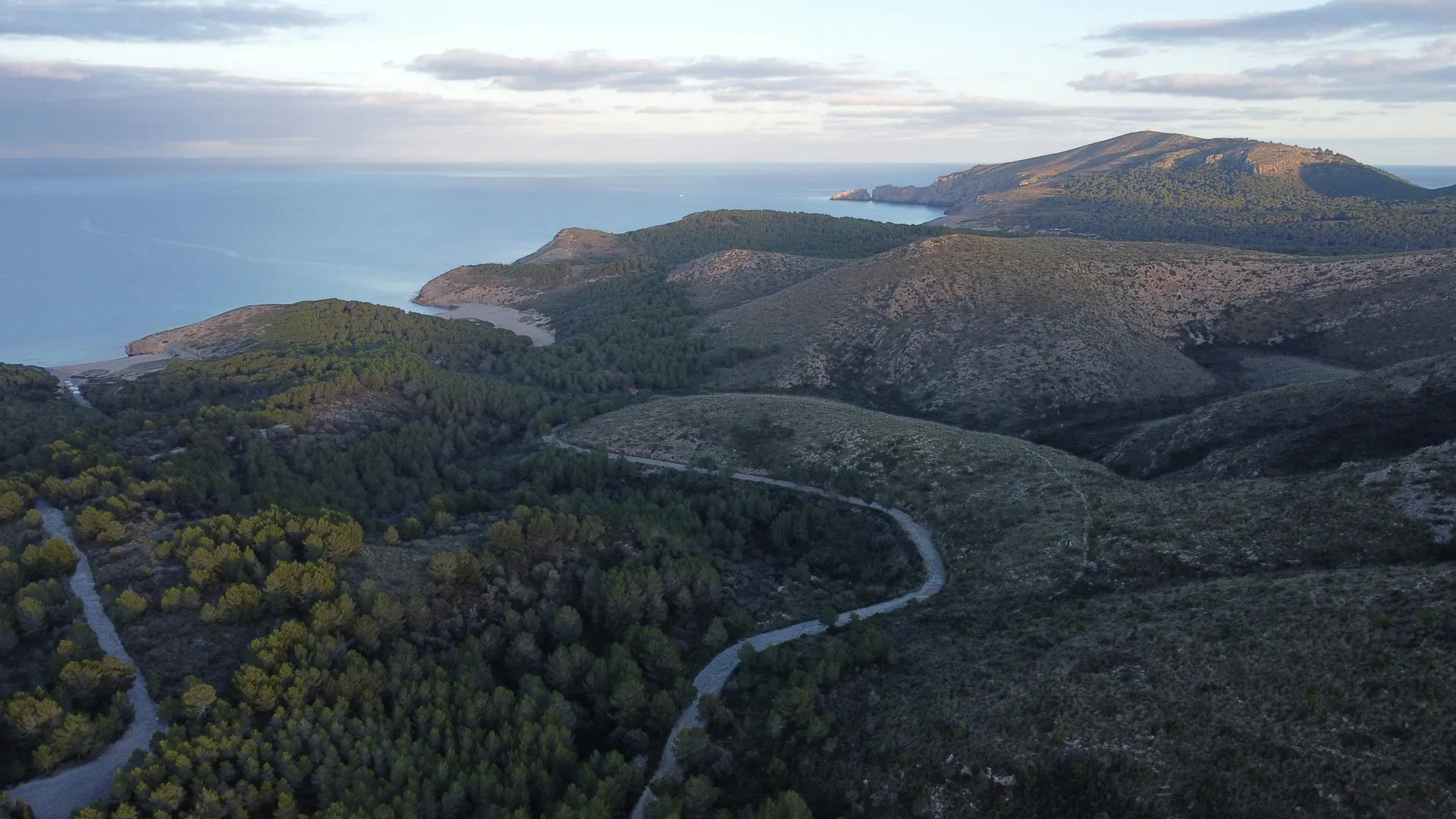
There is a common dream among travelers to gallop along the shoreline with the salt spray on their faces. In Mallorca, this is a dream that requires a bit of local knowledge because our beach regulations are famously strict. During the high season, from May to October, riding on public beaches like Es Trenc or Playa de Muro is strictly forbidden to protect both the holidaymakers and the delicate dune systems. However, the northern coast near Son Serra de Marina remains a bastion for those who crave the sea. This stretch of coastline is rugged, windswept, and feels world’s away from the manicured resorts of the south. It is the kind of place where the water is a deep, bruised purple and the sand is flecked with dried seagrass.
The best time to ride is at first light, when the Mediterranean is as flat as a sheet of glass and the only other living thing you see is a lone heron in the reeds of the nearby S’Albufera Nature Reserve.
Rancho Grande Park is the heavyweight of equestrian centers in this region. Spanning 900 cuarteradas (about 640 hectares) of private land, it offers a sense of scale that is rare on an island this size. They have a system that caters to everyone, from the absolute beginner who just wants to sit on a horse for the first time to the seasoned rider who wants a proper workout. Their evening programs are a bit of a local institution, involving a ride through the pine forests followed by a BBQ and a traditional equestrian show. Some call it touristy, but the quality of the horses is undeniable, and the sunset views over the Bay of Alcúdia are worth the price alone. Prices in 2026 typically start around €69 for a two-hour hack, which is quite reasonable for the quality of the experience.
Mountain Trails and Ethical Trekking
If the coast is the island’s face, the mountains are its spine. Riding in the Serra de Tramuntana is a sensory overload. You have the scent of damp pine needles, the chime of goat bells in the distance, and views that drop away into the Mediterranean. Near Bunyola, Club Hípico La Gubia provides access to trails that wind through ancient olive groves and past crumbling dry-stone walls. These paths were built by hand over centuries, and there is a weight of history to them that you feel in your bones. It is a place I’ve spent many hours at. The horses here are athletic and responsive, necessary for the steep climbs and descents that define this UNESCO World Heritage site.
For those who prefer a more conscious approach, Natura Cavall near Manacor is doing something realy special. They focus on natural horsemanship, using rescue horses that have been rehabilitated with patience and kindness. Many of their horses are bare-hoofed and ridden bitless, which requires a more intuitive connection between horse and rider. They offer multi-day expeditions that cross the island, sleeping in old fincas or under the stars. It is not about “following the tail” in a line of tourists; it is about an expedition. They teach you to read the horse’s body language, which makes the bond feel earned rather than forced. It is the most honest way to experience the island’s interior.
The Tradition of the Trot: Harness Racing
While trekking is for the soul, the *trot* is for the heart. Harness racing is the most popular equestrian sport in Mallorca, far eclipsing traditional horse racing or show jumping. Every Sunday, families gather at the Hipòdrom de Son Pardo in Palma to watch the *trotadors* (trotters) compete. This isn’t just a sport; it is a social ritual. You will see old men clutching betting slips and young children eating *ensaimadas* (our famous sweet pastry) while the sulkies fly past at incredible speeds. The horses must maintain a specific gait; if they break into a gallop, they are disqualified. It is a test of nerves and precision that is uniquely Balearic. If you happen to be here in mid-May, the Gran Premio Nacional is a spectacle you shouldn’t miss.
| Location | Typical Event Time | Admission (Approx) | Key Highlight |
|---|---|---|---|
| Hipòdrom de Son Pardo (Palma) | Sundays, 16:00 | Free / €5 | High-stakes harness racing |
| Hipòdrom de Manacor | Saturdays, 17:00 | Free | Local, rustic atmosphere |
| Son Menut (Felanitx) | Daily Lessons | €45/hour | Professional dressage training |
Equestrian Holidays and Practical Advice
For those who want more than just a few hours in the saddle, Mallorca has several *fincas* (rural estates) that specialize in equestrian holidays. Son Menut in the south is perhaps the most well-known, offering intensive dressage and jumping courses alongside trail rides through the salt flats near Es Trenc. Staying at a riding finca allows you to immerse yourself in the lifestyle. You wake up to the sound of the stables being mucked out and spend your afternoons riding through vineyards before cooling off in a pool. It is a far more grounded way to holiday than staying in a crowded hotel in Magaluf or Palmanova, areas which most locals prefer to avoid staying in if they can help it.
Local Tip: If you are visiting in the height of summer, always book the earliest possible slot. The horses tire quickly in the 35-degree heat, and quite frankly, so will you. Most reputable stables will refuse to take horses out between 1:00 PM and 4:00 PM for the animal’s welfare.
— Mateo Valero
When packing, remember that while the island is casual, proper gear is essential for safety. Most centers will provide helmets, but bringing your own boots with a small heel is a good idea. Regarding the language, while most instructors speak excellent English, a few words of Mallorquí go a long way. A simple *Bon dia* (Good morning) or *Gràcies* (Thank you) will open doors and hearts. You might also hear people talking about celebrities who live here, like Michael Douglas or even the rumors about Brad Pitt’s house near Andratx. We locals tend to leave them in peace, mind you, as the island is a sanctuary for them just as it is for our horses.
Summary of Key Riding Centers (2026)
- Rancho Grande Park: Best for families and large groups. Huge private estate and beach access. [Official Website]
- Natura Cavall: Best for adventurous riders and those interested in ethical, bitless horsemanship. [Official Website]
- Club Hípico La Gubia: Best for mountain enthusiasts and serious dressage students near the Tramuntana. [Official Website]
- Ranxo Ses Roques: Best for those staying in the north (Alcudia) looking for short, scenic forest hacks.
- Son Menut: The premier choice for residential riding holidays and professional instruction in the south.
Whether you are cantering through the surf at Son Serra or navigating the silent, stony paths of the mountains, riding in Mallorca is about more than just the view. It is about slowing down to the speed of the animal and the earth. It is a reminder that despite the golf courses and the luxury yachts, the heart of this island still beats with a wild, equestrian energy that hasn’t changed for a thousand years. It’s an experience that stays with you, long after the dust has settled on your boots.