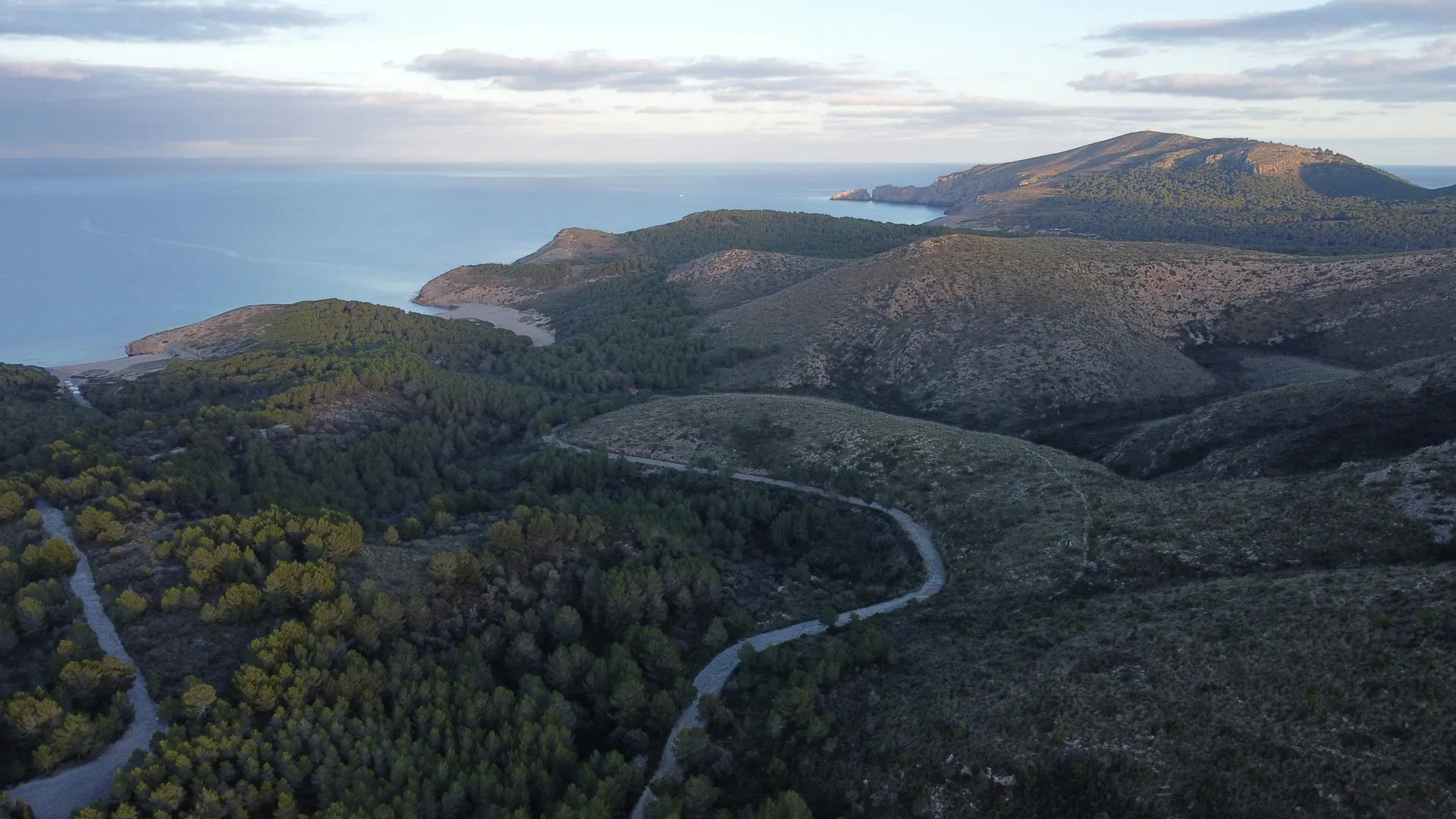
Illa de sa Dragonera is a place that stays in your mind long after you leave teh shore. When I sit in Sant Elm with a coffee, looking across the water, the island looks exactly like a giant dragon resting its head in the sea. It is a wild, silent companion to our main island, and it is perhaps the most honest piece of nature we have left. Me and Cala often walk the coastal paths of the mainland just to keep it in our sight, though she has to stay behind when I actually make the crossing, as the park is a protected sanctuary for the locals—the lizards.
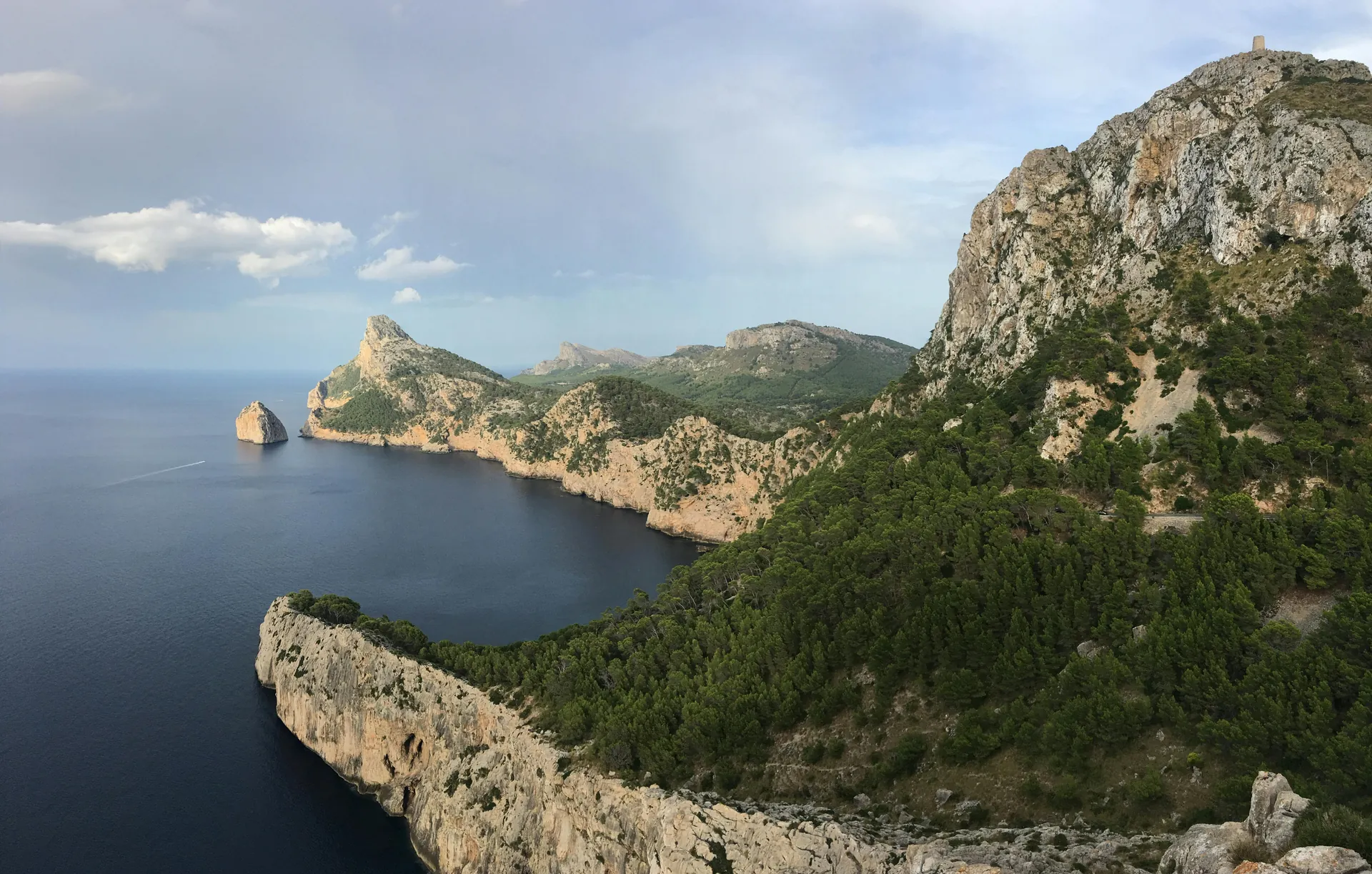
The Island That Refused to Die
There was a time in the 1970s when this dragon almost became something very different. Plans were drawn up to build a luxury resort with a casino and a private port. It sounds like a nightmare now, but back then, the pressure for development was immense. Local activists and environmentalists occupied the island to stop the bulldozers. Their victory is the reason we can still walk these trails today. In 1995, the Balearic Government finally declared it a Parc Natural (Natural Park), ensuring the dragon would never be woken by the sound of construction. If you want to understand why Mallorca is so famous, it is not just because of the beaches; it is because of this fierce spirit of preservation that keeps places like this and the Serra de Tramuntana alive.
Logistics: Reaching the Sleeping Dragon
Getting to the island requires a bit of planning, mind you. You cannot just turn up whenever you like, as the boat schedules are tied to the seasons and the weather. Most people depart from Sant Elm, which is the shortest crossing across the Canal des Freu. The water here is clear enough to see the bottom even in the deep parts. If you are staying further south, boats also run from Port d’Andratx, though the journey is longer and more expensive.
| Departure Point | Operator | Approx. Price (Return) | Duration |
|---|---|---|---|
| Sant Elm | Margarita Boats | €20 | 15 – 20 Minutes |
| Port d’Andratx | Cruceros Cormoran | €45 | 45 – 60 Minutes |
| Independent Sailor | N/A | €1 (Park Fee) | Variable |
Cala Lladó and the Famous Residents
When the boat docks at Cala Lladó, you are met by a small jetty and a ranger station. This is the only place on the island where you will find any sort of infrastructure. There are no shops, no cafes, and definitely no hotels. You must bring everything you need for the day with you. The first thing you will notice is teh movement on the ground. Thousands of sargantanes (Lilford’s wall lizards) live here. They are endemic to the Balearics and have no fear of humans.
These little green and charcoal creatures will run over your boots if you stand still for too long. They are a sign of a healthy ecosystem that has evolved without land predators for thousands of years. It is vital that you do not feed them, even if they look curious. Human food is bad for their digestion, and we want them to stay wild. People often ask what food Mallorca is known for, and while we love our sobrassada and ensaimada, the lizards are quite happy with the local insects and plants.
The silence on Sa Dragonera is different from the silence on the mainland. It is a heavy, ancient sort of quiet that only the wind and the gulls dare to break.
Hiking the Dragon’s Back
There are four main trails on the island, and they are all well-marked. You must stay on the paths to protect the nests of the seabirds that burrow into the limestone. The terrain is rocky and can be quite punishing in the midday sun, so a proper pair of walking shoes is essential. Do not try to hike these trails in flip-flops; it is the easiest way to ruin your day.
- Na Miranda (1.2 km): This is the easiest walk, a circular route that takes about 30 minutes. It takes you through the old cultivated areas where people used to grow cereals and keep olives. It is perfect if you only have an hour before your boat leaves.
- Far de Tramuntana (1.7 km): This path leads to the northern lighthouse. The walk is gentle and offers incredible views back toward the cliffs of Sant Elm and the start of the Tramuntana range. The lighthouse now has a small interpretation centre about the island’s maritime history.
- Far Vell – Na Pòpia (3.8 km): This is the most demanding route. It climbs to the highest point of the island (352 metres) where the ruins of the old lighthouse sit. The views from the top are dizzying. On a clear day, you can see all the way to the horizon where the sea meets the sky.
- Far de Llebeig (4.5 km): This trail leads to the southwestern tip. You will pass the Torre de Llebeig, a 16th-century watchtower built to spot Barbary pirates. It was restored recently and is a fine example of our coastal defence history.
Birdwatching and the Blue Void
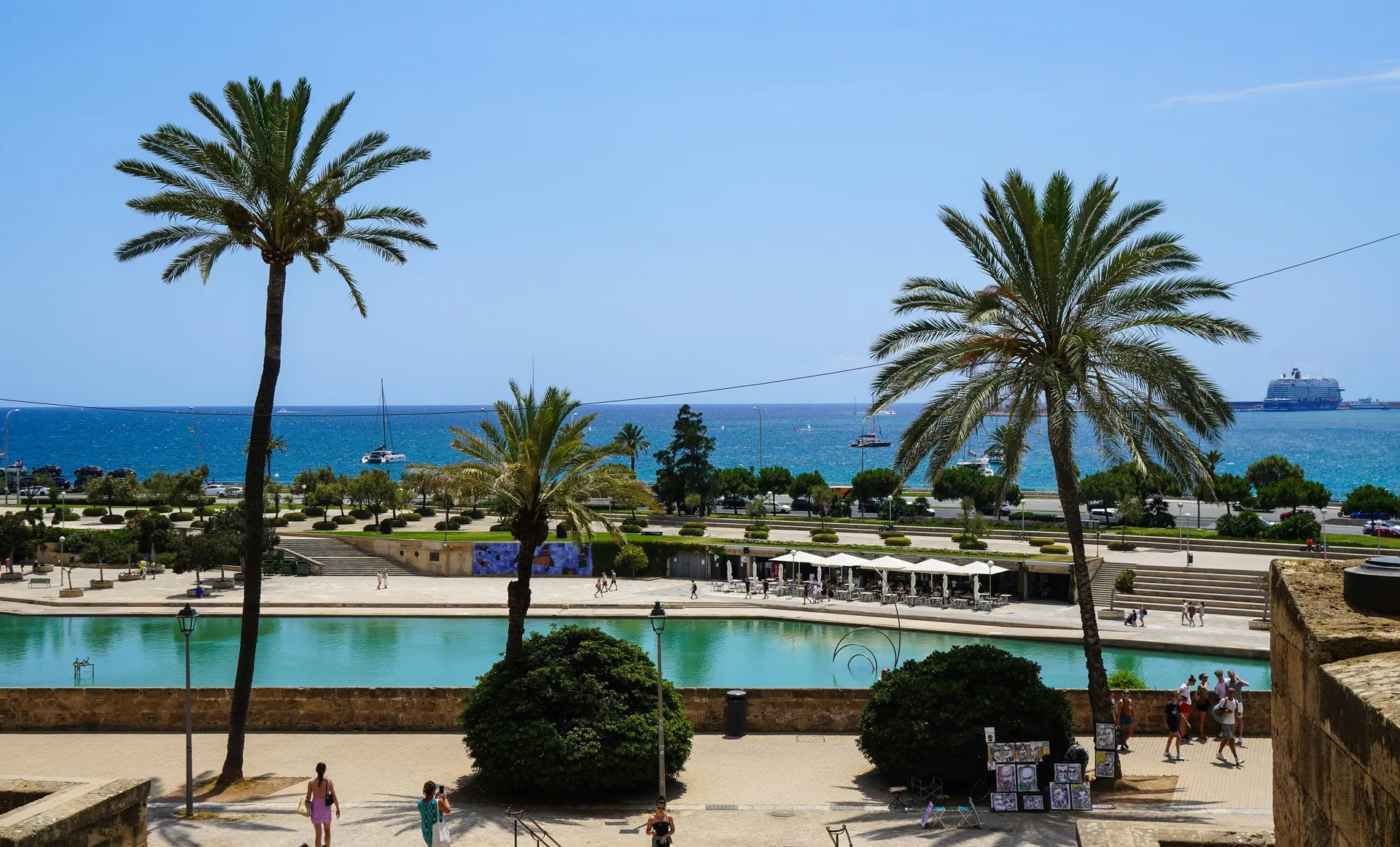
If you have binoculars, bring them. Sa Dragonera is one of the most important nesting sites in the Mediterranean for Eleonora’s falcons. They arrive in late summer to breed, timed perfectly with the migration of smaller birds they hunt. You can also see the Balearic shearwater, which is one of the rarest seabirds in the world. The cliffs are their fortress, and watching them dive into the blue is a lesson in grace. The island has been the backdrop for several films and TV series over the years because of this dramatic landscape, much like how the Far de Muleta area near Sóller attracts photographers from all over.
The water surrounding the island is part of a marine reserve. If you have time before your boat departs, snorkeling around Cala Lladó is a must. The seagrass meadows (Posidonia oceanica) are the lungs of the Mediterranean and provide a home for grouper, octopus, and occasionally a stray ray. The water is so clear that you feel as if you are floating in air. It is a reminder that while some parts of Mallorca are known for being a “party island,” the real Mallorca is found in these quiet, blue spaces where the only music is the sound of the tide against the rocks.
Practicalities for a Proper Visit
Visiting Sa Dragonera is a lesson in self-reliance. There is a strict “no-trace” policy, which means you must take all your rubbish back to the mainland with you. There are no bins on the island for a reason. If we leave waste, the rats might return, and they are a disaster for the bird populations. Also, be aware that there is no shade on most of the trails. The sun here is different than in London or Berlin; it bites. A hat and at least two litres of water per person are non-negotiable. I have seen many a tourist look quite unwell by the time they get back to the jetty because they underestimated the heat.
Regarding the best time to visit, I always tell people that May and September are the sweet spots. The weather is warm enough for a swim but the air is cool enough for the steep climb to Na Pòpia. In the height of summer, the heat can be oppressive, and in winter, the boats often stop running if the sea is too rough. If you are wondering about the language, we speak Mallorquín and Spanish here, but in the tourist areas like Sant Elm, English is widely understood. However, a simple bon dia (good morning) goes a long way with the park rangers.
Final Thoughts from a Local
People often ask if Mallorca is expensive or if it is the same as “Majorca.” To us, it is Mallorca, and the cost depends on how you travel. A day on Sa Dragonera is one of the cheapest and most rewarding things you can do. For the price of a boat ticket and a sandwich from a bakery in Sant Elm, you get a world that feels completely detached from the modern age. When I finally return to the mainland and find Cala waiting for me with her tail wagging, I always feel a bit different than I did when I left. The dragon has a way of reminding you that we are just guests on this earth, and that some places are better left wild. It is a proper day out, one that you won’t soon forget about.
If you are looking for more wild corners of our island, you might enjoy a trip to the Necròpolis de Son Real on the north coast, or perhaps a hike up to the Castell d’Alaró for a different kind of view. Mallorca has many faces, but the one you see from the heights of Sa Dragonera is perhaps the truest of them all.