
The Spiritual Crown of Southeastern Mallorca
People often ask me what the prettiest island in Spain is, expecting a rapid-fire answer about white sand and beach clubs. I am hopelessly biased, but Mallorca holds that title. To understand why, you must leave the coast behind. Drive five kilometres southeast of the inland town of Felanitx, and you find Puig de Sant Salvador rising 509 metres above the agricultural plains. This is a proper mountain sanctuary. It gives you a 360-degree panorama of the island, swapping the ambient noise of coastal tourism for high-altitude silence.
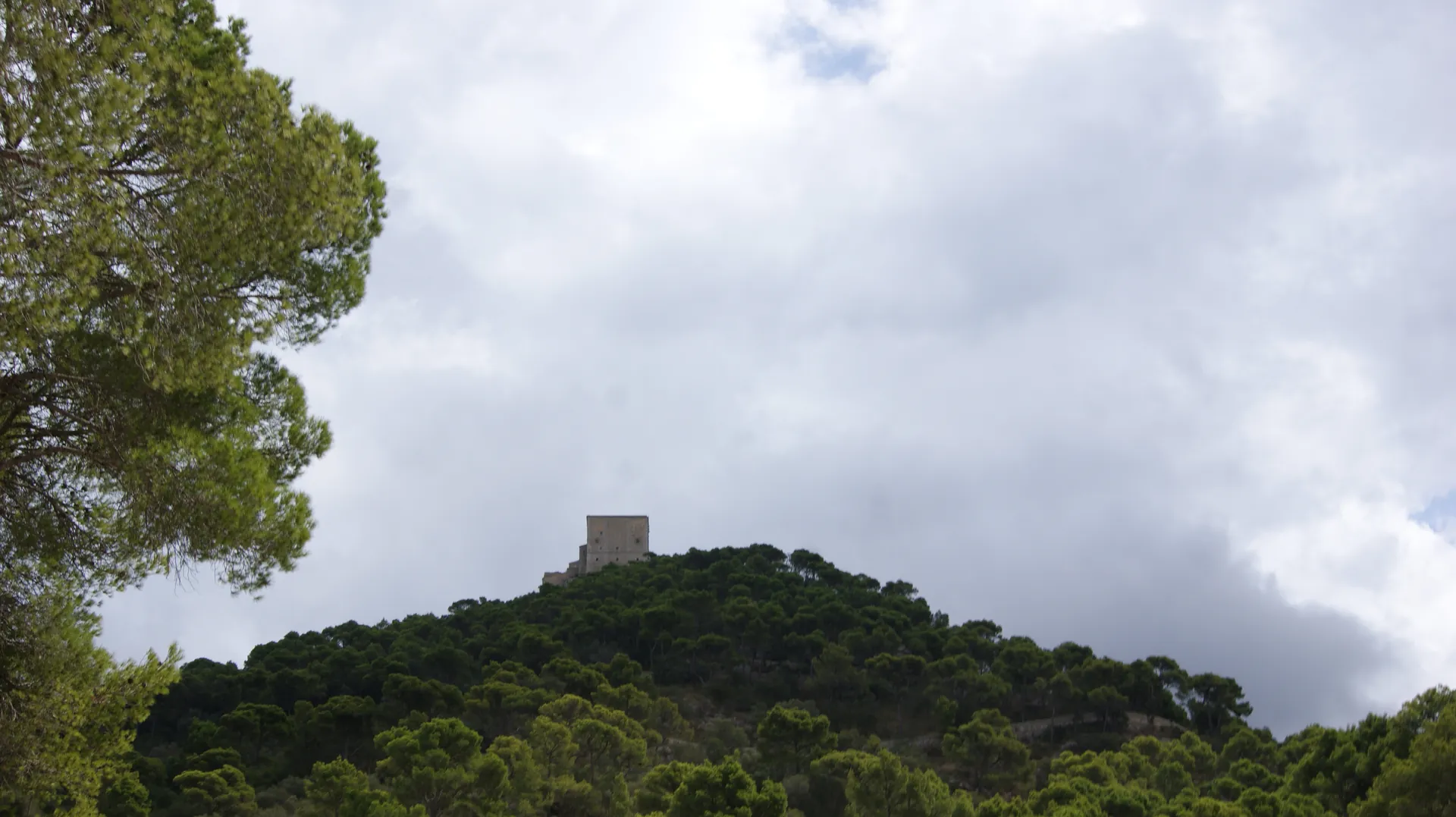
If you are wondering which part of Mallorca is the nicest, this southeastern corner makes a compelling argument. The landscape here feels grounded. The sanctuary itself is a massive stone complex that has watched over these rural lands for centuries. When I drive up here with my golden retriever, Cala, she immediately sticks her head out the window to catch the sharp, pine-scented wind that whips across the summit.
A 14th-Century Refuge from the Black Death
The origins of Santuari de Sant Salvador are tied to survival. In 1348, the Black Death swept across the Mediterranean, devastating the local population. King Pere IV of Aragon ordered the construction of a chapel on this peak. The logic was simple: higher ground meant cleaner air and a step closer to divine protection. The original structure was modest, but as pilgrimage numbers grew, the church was expanded.
The large baroque-style church you see today dates to 1715. It operated as a functioning monastery for generations. The last monks only packed their belongings and vacated the premises in 1992. Today, two local Mallorcan families oversee the preservation of the site, ensuring the courtyards and chapels remain accessible to everyone.
The departure of the monks left a distinct quiet behind. You can hear the wind whistling through the stone archways long before you reach the summit.
The Ascent: Hairpin Turns and Pilgrim Trails
Getting to the top requires navigating the PMV-4011, a narrow, winding serpentine road that cuts through dense pine forests. It’s a dizzying road you just have to brace yourself for. The route is famous among cyclists who treat the gruelling incline as a badge of honour. If you are driving, keep your speed low and watch out for blind corners. You share this asphalt with professional cycling teams and determined amateurs alike.
For the Drivers
The drive from the base takes about 15 minutes. There is ample free parking near the summit. If you rely on public transit to reach Felanitx, you will need to take a taxi from the town centre to the peak, as buses do not run up the mountain. You can read more about navigating the broader island network in our Mallorca Public Transport Guide.
For the Hikers
There is a rugged, 2-kilometre unpaved pilgrim trail starting near the base. It takes about 45 minutes to climb. I walk this path with Cala in the cooler months. We usually stop halfway up to catch our breath when teh incline gets steep. The trail is marked by old stone crosses that guide you straight to the sanctuary doors.
Monuments in the Sky: Cristo Rei and Creu des Picot
Two colossal monuments dominate the ridgeline near the monastery. The first is the Cristo Rei (Christ the King) monument, erected in 1934. It is a 37-metre-high stone tower topped with a massive copper statue of Christ Pantocrator. You can see it glinting in the sun from miles away.
Just a short walk from the main buildings, perched on a neighbouring rocky outcrop, is the Creu des Picot. Built in 1957, this monumental 14-metre stone cross marks the edge of a sheer drop. Standing beneath it gives you a clear line of sight to the south. On a clear day, you can easily spot the Cabrera Archipelago National Park resting in the Mediterranean, and occasionally, the faint outline of Menorca to the northeast.
Inside the Monastery Walls
The interior courtyard is a shaded, atmospheric space. It is also home to a famous colony of stray cats. They are completely unfazed by visitors and spend their afternoons sleeping on the warm flagstones. Locals and tourists bring them food, making them the unofficial guardians of the site.
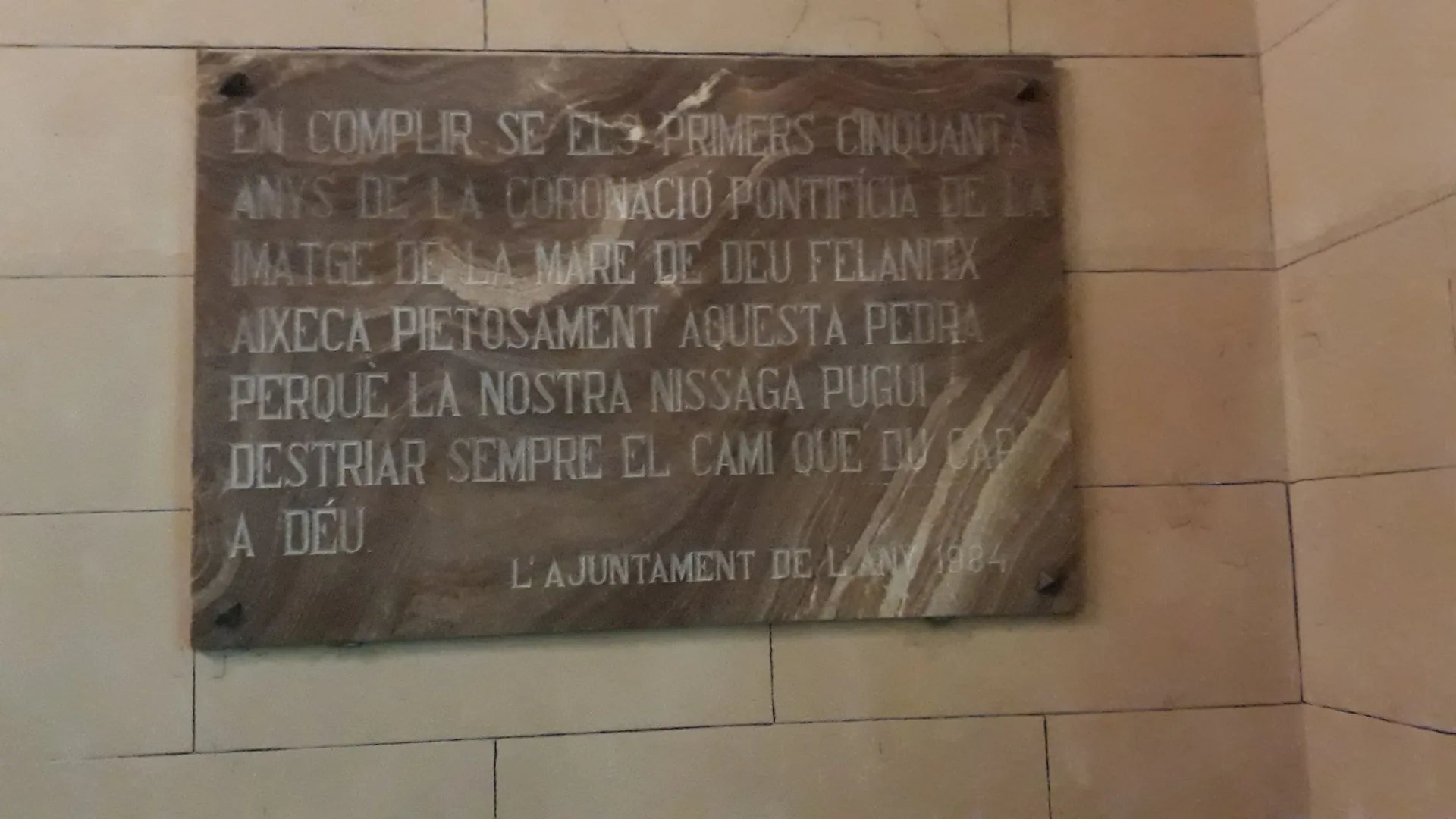
Step inside the church, and the temperature drops immediately. The main attraction here is a highly venerated 13th-century statue of the Virgin Mary. Behind the main stage, an ornate 15th-century Gothic high altar commands the room. The craftsmanship is staggering, especially considering the effort required to haul such heavy stone up the mountain centuries ago.
Mind you, the acoustics inside the baroque church are incredibly sharp. A single footstep echoes all the way to the vaulted ceiling.
Sleeping in a Monk’s Cell and Dining in the Clouds
If you want to experience the sanctuary after the day-trippers drive back down the mountain, you can book a room at the Petit Hotel Hostatgeria Sant Salvador. The management converted the former monks’ cells into rustic guest rooms. The vaulted ceilings remain intact, and the sea views from the small windows are spectacular. While the setting encourages spiritual tranquillity, the rooms do come equipped with televisions. Depending on the season, rates range from €80 to €150 per night.
You do not need to pack your own rations for the overnight stay. The old monastery buildings house Restaurant Can Calco 510. They serve excellent, hearty local fare. If you are curious about what food Mallorca is known for, this is a great place to order arròs brut (a rich, spiced meat and rice broth) or slow-roasted lamb. You can read more about these dishes in our guide to Traditional Mallorcan Foods.
Practical Information for Your Visit
People constantly ask if Mallorca is cheap or expensive. It depends entirely on where you spend your time. While the coastal beach clubs charge a premium, accessing deep cultural heritage at Sant Salvador costs absolutely nothing.
| Admission Fee | Free for the grounds, church, and monuments. |
| Outdoor Hours | Accessible 24/7. Highly recommended for sunrise or golden hour photography. |
| Church Hours | Generally open daily from 9:00 AM to 6:00 PM (extended to 8:00 PM in peak summer). |
| Parking | Free parking lots available near the summit. |
For photography enthusiasts, timing is everything. The golden hour hits the copper statue of Cristo Rei brilliantly, turning the metal a fiery orange. If you look west, you can sometimes spot the distant outline of Castell de Santueri on a neighbouring peak.
While the sanctuary gives you a profound sense of the island’s history, you might eventually want to trade the high altitude for sea level. For a complete change of scenery, many visitors transition from the mountains to the water by booking a Mallorca Catamaran Small Group Cruise, letting them view the rugged coastline they just looked down upon from the peak.
Plan your visit according to the seasons. The summit is highly exposed to the elements. During January and February, the wind chill is severe, while August afternoons bring intense heat to the unshaded stone courtyards. For detailed seasonal advice, check our breakdown of the Best Time to Visit Mallorca.