
The Silent Side of the Bay
There is a specific kind of stillness that exists only in the marshes of the north. While the nearby resorts of Alcúdia and Playa de Muro hum with teh noise of holidaymakers and the clatter of breakfast buffets, S’Albufera Nature Reserve remains a sanctuary of wind-whipped reeds and ancient water. I often come here when the island feels too small or too loud, seeking the heavy silence that settles over the lagoons at dawn. It is the largest wetland area in the Balearics, a sprawling expanse of over 1,700 hectares where the land refuses to be fully solid and the sea refuses to be fully salt.
My dog, Cala, usually joins me on my coastal wanderings, but for S’Albufera, she has to stay behind in the shade of our patio. The reserve is a strictly protected Zona d’Especial Protecció per a les Aus (Special Protection Area for Birds), and the presence of a curious retriever would do little for the nerves of a nesting Purple Gallinule. Mind you, this lack of domestic animals is what allows the wild ones to reclaim the space so completely. When you step past the threshold of the park, you leave the Mallorca of postcards and enter a prehistoric landscape that feels entirely indifferent to human presence.
From Rice to Reeds: A History of the Marsh
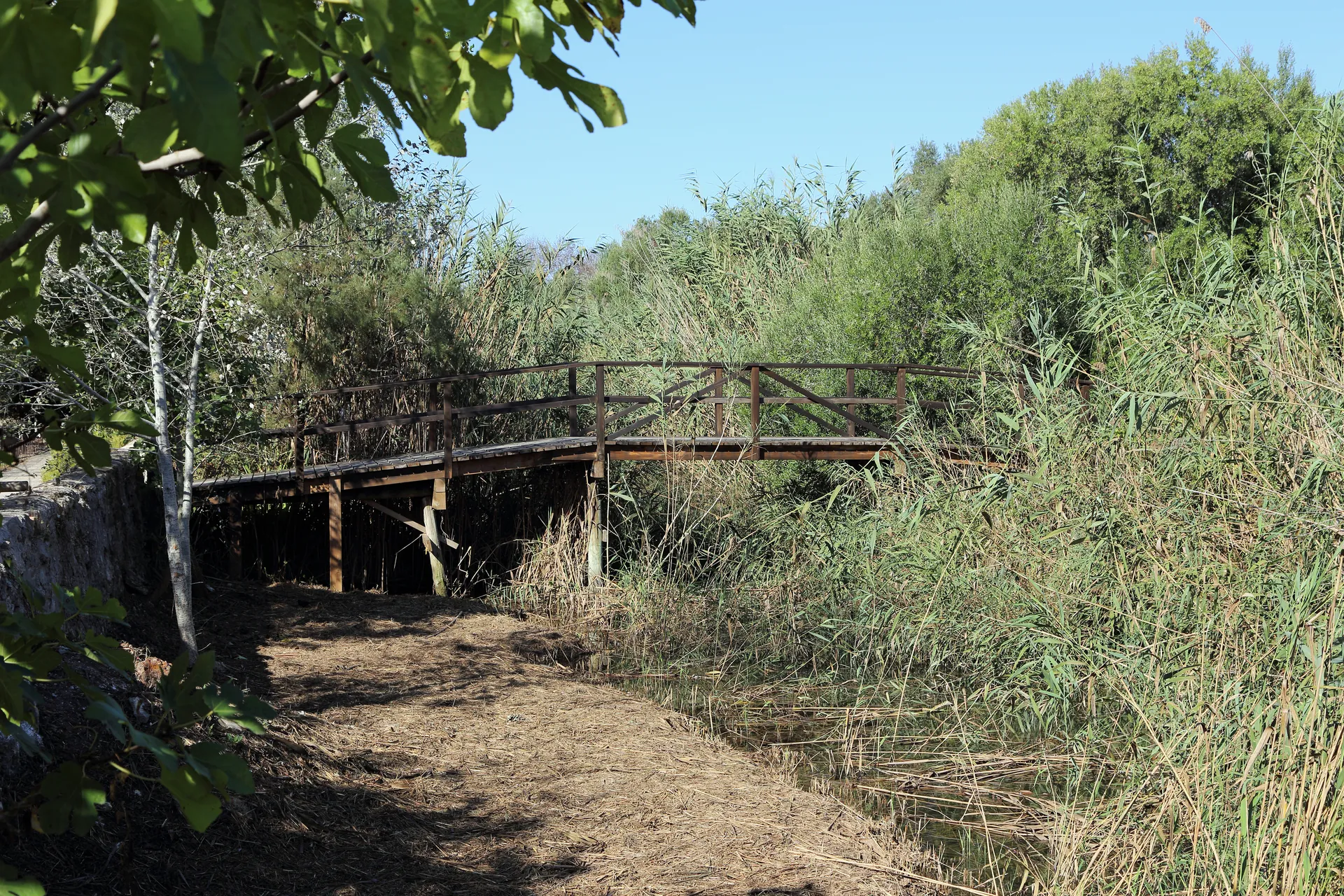
The story of these wetlands is a long struggle between nature and the human desire to tame it. In the 19th century, a group of British engineers arrived with ambitious plans to drain the entire marsh for agricultural use. They built the Pont dels Anglesos (the Englishmen’s Bridge) and a network of canals that still crisscross the park today. They wanted to grow rice and other crops, but the brackish water and the sheer persistence of the swamp eventually defeated their machinery. The British company went bankrupt, leaving behind the stone bridges and the industrial skeletons that now serve as perches for herons.
Protection came late but with great force. In 1988, the Balearic government declared it a Natural Park, and it later earned status as a RAMSAR site of international importance. You can read more about the conservation efforts on the Official Government Portal. This history of failed industry has given the park its unique character; it is a place where nature has swallowed human ambition whole, turning drainage ditches into thriving ecosystems for over 300 species of birds. It is a reminder of why many Brits go to Majorca—to find these pockets of wildness that feel so vastly different from the manicured parks of Northern Europe.
The Logistics of Arrival
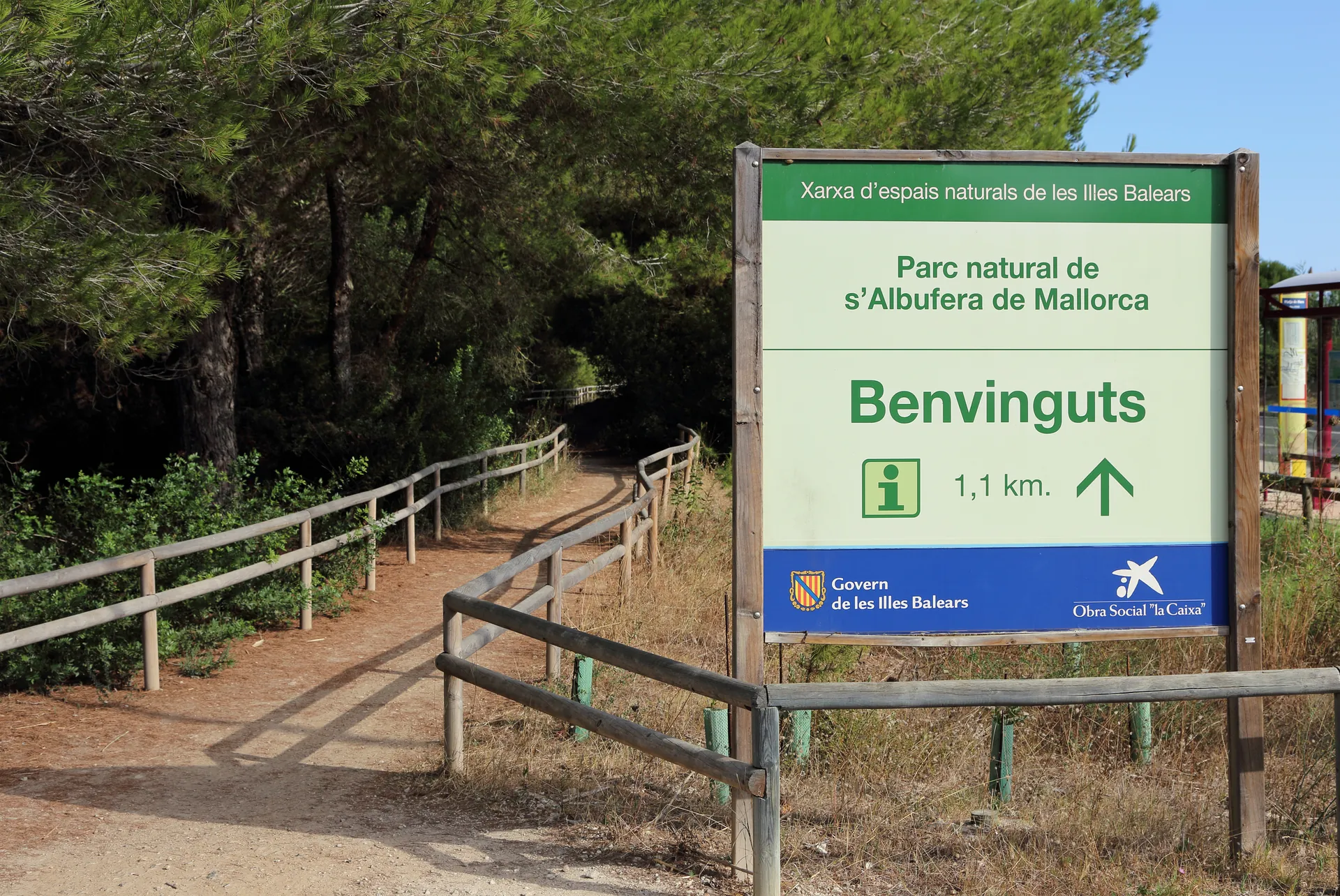
Reaching the entrance requires a bit of local knowledge. The main gate is located on the Ma-12 road that connects Alcúdia and Can Picafort. If you are driving, do not expect to park right at the reception. You must leave your car in the residential streets of Ses Fotges and walk the final kilometre in; mind you, the old parking spots near the bridge are now closed to protect the cycle path. This walk is part of the experience, a slow transition from the tarmac of the road to the soft dust of the reserve paths. For those preferring public transport, TIB lines 302, 322, and 324 stop right at the “S’Albufera” bus stop, making it one of the most accessible natural sites on the island.
| Season | Opening Hours | Reception (Sa Roca) |
|---|---|---|
| April 1 – Sept 30 | 09:00 to 18:00 | 09:00 to 16:00 |
| Oct 1 – March 31 | 09:00 to 17:00 | 09:00 to 16:00 |
Upon reaching the Sa Roca reception centre, you are required to request a free entry permit. The process is simple and helps the rangers track visitor numbers to make sure the marsh is never overwhelmed. This is also where you can enquire about binocular rentals if you have forgotten yours. If you are hungry, remember that picnicking is only allowed at the designated benches near the Sa Roca reception; eating on the trails or in the hides is strictly forbidden to keep the local rats and gulls from becoming pests. I suggest a proper Mallorcan breakfast of pa amb oli in Alcúdia before you arrive to keep your energy up for the trails.
The Four Trails of S’Albufera
Itinerari de sa Roca: This is the shortest route at roughly 700 metres. It leads you from the reception to several bird hides overlooking the central lagoons. It is perfect for those who want a gentle stroll without committing to a full day of hiking. The path is flat and easy for anyone to walk on.
Itinerari d’es Cibollar: If you want to see the flamingos, this is the trail to choose. It is about a kilometre long and takes you towards the saltier parts of the marsh. In the late summer and autumn, the pink silhouettes of the Greater Flamingo are often visible against the blue water of the lagoons.
- Itinerari d’es Colombars: This 1.3km trail explores the southern reaches. It is usually quieter than the main paths and offers excellent views of the Cames-llargues (Black-winged Stilts) as they pick their way through the shallows.
- Camí d’Enmig – Ses Puntes: The longest trek at 11km return. This is the trail I am fond of. It stretches all the way to the coastal dunes, cutting through the heart of the reed beds. It requires a proper pair of walking shoes and plenty of water, as there is very little shade once you leave the reception area.
The Icons of the Marsh
The biodiversity here is staggering. While the birds are the main draw, the marsh is also home to the Camargue horses. These white horses were introduced to help manage the growth of the reeds, acting as four-legged lawnmowers that keep the waterways from becoming choked. Seeing them grazing knee-deep in the water as the sun sets is one of the most serene sights in Mallorca. You might also spot the heavy-set Mallorcan cows, another local breed used for habitat management.
The Purple Gallinule, or Gall faver, is the undisputed king of S’Albufera. Once nearly extinct on the island, its successful reintroduction here is a triumph of Balearic conservation.
For birdwatchers, the timing of your visit is everything. The best month to visit for migration is undoubtedly April or late September. During these windows, the park becomes a busy transit lounge for birds flying between Europe and Africa. You might see Ospreys diving for fish or the elusive Moustached Warbler flitting through the reeds. If you visit in winter, the park is quieter but no less beautiful, as the low light turns the lagoons into mirrors of silver and grey.
The Marsh Survival Kit
A visit to S’Albufera requires more preparation than a day at Platja de Coll Baix. The environment is humid and exposed, which means the sun can be punishing even on cooler days. Mosquitoes are also a significant factor, especially near the standing water of the smaller canals. I always recommend a high-quality repellent and long sleeves if you plan on sitting in the hides for any length of time. The silence in the hides is mandatory; many visitors spend hours here in complete stillness, and a loud conversation will quickly earn you some stern looks from the serious twitchers.
- Binoculars: Essential for seeing anything beyond the immediate shoreline.
- Water: There are no shops inside the reserve. Bring more than you think you need.
- Sun Protection: A hat and high-SPF cream are non-negotiable on the longer trails.
- Patience: The birds do not appear on a schedule. The longer you sit still, the more you will see.
When people ask why Mallorca is so famous, they often point to the nightlife or the luxury villas where celebrities like Brad Pitt or Michael Douglas spend their summers. But for me, the fame of the island lies in these protected corners. It is the ability to move from a world-class dinner in Palma to a silent marsh where the only sound is the wind in the reeds. It is a place that demands you slow down and observe. You cannot rush S’Albufera; the marsh has its own rhythm, and you must simply wait for it to recieve you.
Plan Your Visit to the North
If you are staying in the north, perhaps near the Ermita de la Victòria or the historic town of Muro, S’Albufera is an essential morning trip. It provides a grounding contrast to the more vertical adventures of the Serra de Tramuntana. While the mountains offer drama and height, the marsh offers depth and reflection. It is a proper piece of Mallorcan soul that has survived drainage, tourism, and time itself.
Spanish Cooking Experience in Mallorca
Horse Riding in Mallorca on the Beach and Forest
Kayaking and snorkeling in the Mondragó Natural Park in Mallorca
Palma de Mallorca and Valldemossa Excursion from Cruise Port
Deluxe Cruise-Friendly Mallorca and Valldemossa Tour
For more information on the park’s rules and current bird sightings, you can visit the Official Balearic Environment Page or check the latest updates from SEO/BirdLife Spain. These resources are vital for anyone wanting to dive deeper into the ecology of our beautiful island.