
City Sightseeing Palma de Mallorca Hop-On Hop-Off Bus Tour
Navigating the Golden City: Your Ticketing Options
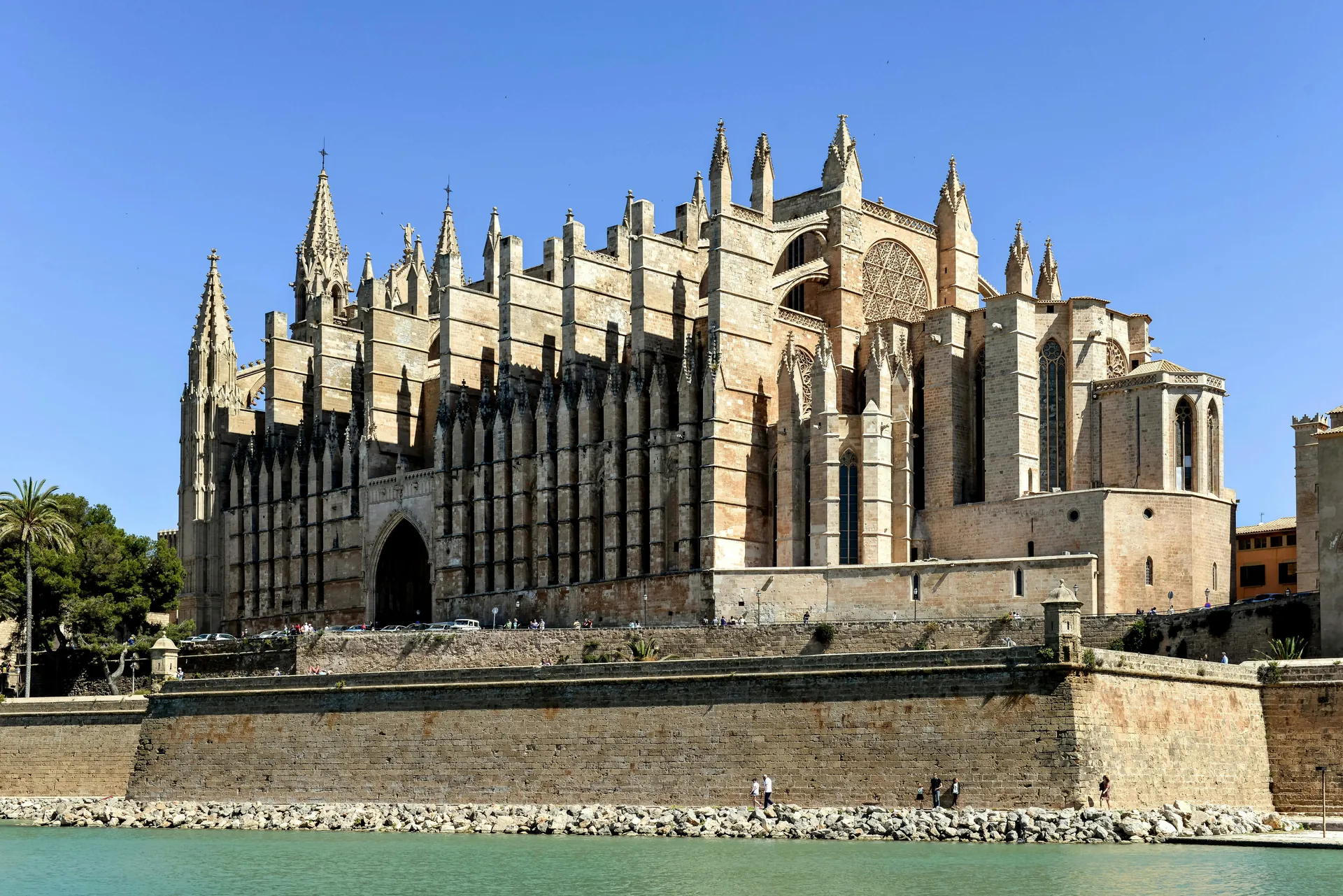
There is a certain rhythm to Palma that you only truly catch when you are elevated above the street-level rush. For years, I watched the bright red open-top buses navigate the narrow turns of the Avinguda d’Antoni Maura, thinking they were purely for those who had just stepped off a cruise ship. It was only when my cousin visited from London and insisted we hop on that I realised the value of this moving balcony. It provides a perspective of La Seu (Palma Cathedral) that you simply cannot get while craning your neck from the pavement. When you are looking to cover the breadth of our capital without the stress of finding a parking space—which is a nightmare in the city centre—teh sightseeing bus is a sensible choice.
Why Experienced Travellers Prefer Booking Platforms
While I often advocate for the local way of doing things, there is a practical wisdom in using platforms like Viator or GetYourGuide for these tours. Plans in Mallorca are often dictated by the sun or an unexpected invitation to a village verbena (local party), so the free cancellation policy offered by these sites is a massive relief. If you wake up and decide the beach is calling instead, you aren’t out of pocket.
These platforms also provide 24/7 English-speaking support, which is invaluable if you have a ticket query at an odd hour. Many of the premium packages available online bundle in extras that you might miss otherwise, such as skip-the-line access to the Palma Cathedral or even a boat cruise around the bay. It simplifies the entire day into a single digital voucher on your phone.
The Official On-Site Experience
If you prefer to keep things traditional, you can certainly buy your tickets directly from the driver or at the official kiosks near the harbour. It is a valid route for those who like to decide on the spur of the moment. However, be prepared for potential queues during the peak summer months when the heat is at its most intense.
Buying on-site usually means you miss out on the flexible cancellation window, and you might find yourself navigating a language barrier if the kiosk is particularly busy. You also lose the ability to bundle multiple attractions for a discounted price. If you want the direct route, the official City Sightseeing website is the place to look, mind you.
The Red Route: 18 Stops of Mallorcan History
The journey begins at Antoni Maura, just a stone’s throw from the Royal Palace of La Almudaina. This is the heart of the city, where the scent of sea salt meets the heavy aroma of ensaimadas from nearby bakeries. The bus winds its way through the historic core before heading out toward the more modern stretches of the city. It is a loop that takes about 90 minutes if you stay on for the whole ride, but the real magic is in the hopping off.
Stop 4 at Plaça d’Espanya is where you go at if you want to see the real local engine room. This is the main transport hub of the island. From here, you can easily walk to the Museu de la Fundació Juan March or even catch the historic wooden train to Sóller. It is a busy, functional square, but it holds a certain charm with its statue of King Jaume I. If you are feeling peckish, the nearby Mercat de l’Olivar is a proper place to sample some sobrassada or fresh seafood.
Cultural Anchors and Hidden Vistas
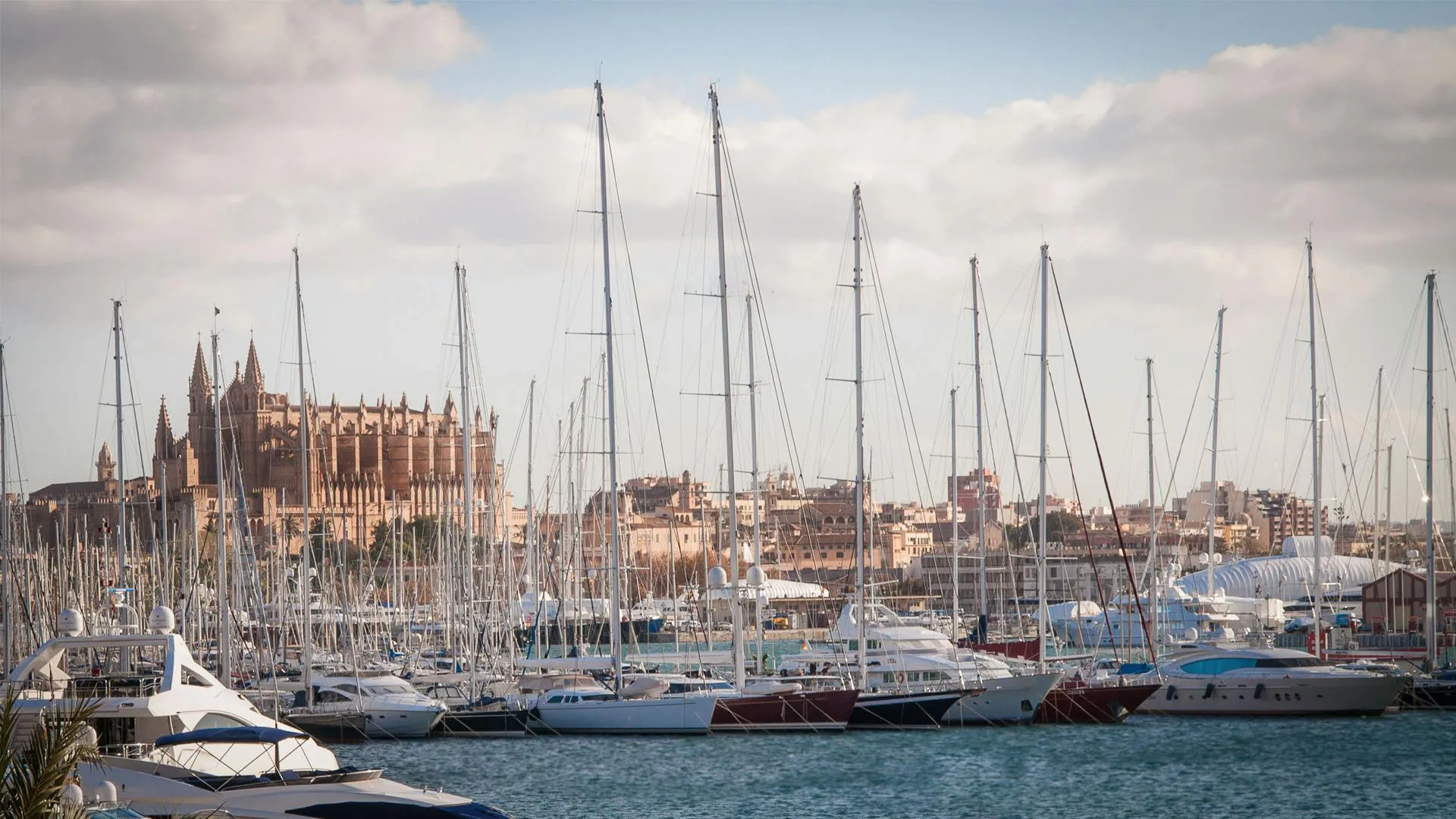
One of the most essential stops is number 10, the Castell de Bellver. This is Spain’s only circular castle, and let me tell you, the walk up that hill in July is enough to wilt even the strongest hiker. The bus drops you right at the entrance, which is a blessing. I often take my dog, Cala, to the pine forests surrounding the castle. The trails there are shaded and cool, providing a much-needed break from the city heat. From the top of the castle walls, the view of the bay is unmatched; you can see the yachts bobbing in the marina like toys in a bath.
Local Tip: If you are visiting on a Monday, remember that the Miró Foundation is closed. Plan your bus circuit for a Tuesday or Wednesday to ensure you can explore the artist’s studio at Stop 12 without disappointment.
Further along the route, you will find the Fundació Pilar i Joan Miró. This stop is often overlooked by those who only want the “big” sights, but it is a mistake to skip it. The light in Miró’s studio has a quality that influenced his entire later career. It is located in Cala Major, a short distance from the Marivent Palace, which is where the Spanish Royal Family spends their summers. You won’t get inside the palace, but the gardens are occasionally open to the public and well worth a wander.
Summary of Ticket Tiers and Costs
Choosing the right ticket depends on how much time you have and whether you want to include the maritime perspective. The prices are fixed for the 2026 season and offer decent value considering the cost of individual taxis or the frustration of city driving.
| Ticket Type | Price (Adult) | Inclusions |
|---|---|---|
| Iconic Ticket | €30.00 | 24-hour bus access, audio guide |
| Essential Experience | €35.00 | Bus + Bellver Castle or Poble Espanyol entry |
| Supreme Experience | €53.00 | Bus + Boat Tour + 3 Museum entries |
The Maritime Perspective: Boat and Bus Combos
The “Supreme” ticket includes a 50-minute boat tour that departs from the Escalera Real, near the cathedral. Seeing Palma from the water is a different experience entirely. The skyline is dominated by the golden sandstone of the cathedral, which seems to glow against the Mediterranean blue. The boat takes you past the massive cruise liners at the Estació Marítima and out toward the mouth of the harbour. It is a refreshing break from the bus, especially in the afternoon when the sea breeze picks up. For more details on water-based travel, you might want to check our guide to boat tours and cruises in the region.
Practical Details for the Smooth Traveller
The buses run every 20 to 30 minutes, starting from 10:00 AM. While the audio guide is available in multiple languages, including English, German, and French, I always recommend bringing your own headphones if you have a preferred pair. The ones provided are functional, but a proper set makes the historical commentary much easier to hear over the wind on the top deck. Also, keep an eye on the weather; while we enjoy over 300 days of sunshine, an open-top bus in a sudden Balearic downpour is an experience you likely want to avoid.
Accessibility is handled well, with ramps and dedicated spaces for wheelchairs on every vehicle. If you are travelling with young children, the bus is a godsend for tired legs. However, be mindful that the streets of the old town—accessible from Stop 1—are mostly cobbled. If you want to explore the Banys Àrabs or the narrow alleys behind the cathedral, wear sensible shoes. My dog Cala doesn’t mind the cobbles, but even she prefers the grass of the Parc de la Mar at the end of a long day.
“The open-top bus isn’t just transport; it is a chance to see the gargoyles of the Cathedral and the intricate balconies of the Modernista buildings at eye level.”
— Mateo Valero, Local Resident
Final Thoughts from a Local
Palma is a city that rewards the curious. Using the sightseeing bus to orient yourself on your first day is a smart move. It allows you to map out the geography of the city, identifying where the Gothic quarter ends and the maritime district begins. Once you have done the loop, you can then focus on the areas that truly speak to you, perhaps returning to the Es Baluard Museum for a glass of wine on their terrace at sunset.
If you are planning to travel further afield after your city tour, the Getting Around guide provides more detail on our island-wide network. Mallorca is more than just Palma, but the capital is the soul of the island, and there is no better way to see that soul than from the top deck of a red bus on a sunny afternoon. Just don’t forget your hat; the Mediterranean sun is deceptively strong when the bus is in motion.