
The Bastion of Modernity: A Walk Through Es Baluard
I remember when the Sant Pere bastion was little more than a forgotten corner of teh city, a dusty relic where we only went to look at the sea. When the museum opened in 2004, it changed the face of Palma’s old walls, turning a 16th-century military fortification into a home for the avant-garde. It is a place where I often find myself wandering, especially when the light hits the sandstone just before sunset. Es Baluard Museu d’Art Contemporani is not just a gallery; it is a conversation between the heavy history of Mallorca and the restless energy of the modern world.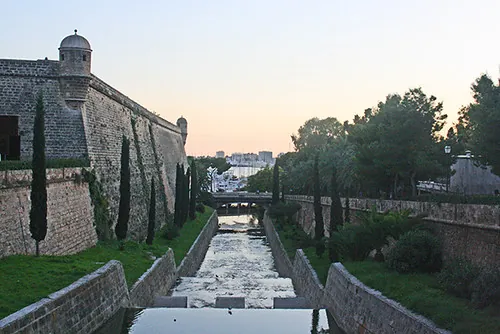
The permanent collection is a journey through the 20th and 21st centuries, with a strong focus on artists who have a deep connection to the Balearic Islands. You will find works by Joan Miró, whose studio at the Fundació Pilar i Joan Miró is just a short trip away. There are also pieces by Pablo Picasso and the contemporary giant Miquel Barceló. These works are part of why Mallorca is so famous; the island has always been a magnet for creative souls, from Robert Graves to the many celebrities who live in Mallorca today, such as Michael Douglas.
Beyond the canvases, the museum is home to the *Aljub*. This 17th-century freshwater cistern is a cavernous space with a low cannon vault that used to supply water to the entire neighborhood and the ships in the harbour. Today, it hosts immersive sound and light installations. The acoustics in there are haunting. It is the kind of place where you lose track of time, submerged in a cool, dark atmosphere that feels worlds away from the heat of the Mediterranean sun.
If you visit on a Friday, the museum operates a “You Decide” policy. You can pay as little as 10 cents for entry, though I always suggest giving a bit more to keep our local culture thriving. It is the best way to see world-class art without teh high price tag of other European capitals.
Mateo Valero
Navigating the Terraces and 2026 Highlights
The museum’s terraces are open to the public even if you do not buy a ticket for the galleries. They are some of the best vantage points in Palma, offering views of the Bellver Castle on one side and the Bay of Palma on the other. I often bring Cala, my dog, for a walk around the perimeter of the museum. While she isn’t allowed inside the galleries, mind you, the outdoor ramps and the shaded spots near the Sant Pere bastion are perfect for a stroll. We usually end up sitting near the sculptures, watching the yachts come in while the sun sets behind the mountains of the Serra de Tramuntana. For the 2026 season, the museum has curated some exceptional exhibitions. Fiona Rae’s *Vista* is currently taking over the main hall with its explosive use of colour and digital-inspired forms. There is also a performative project called *Nachleben* that challenges how we think about the life of an artwork after its creator is gone. These displays are a proper reflection of the museum’s mission to stay relevant and provocative. It is a far cry from the more traditional displays at the Museo de Mallorca, though both are worth your time for different reasons.Practical Information for Your Visit
| Ticket Type | Price (2026) | Details |
|---|---|---|
| General Admission | €8.00 | Full access to all exhibitions and the Aljub. |
| Reduced Admission | €5.50 | Seniors 65+, students, and groups. |
| Bicycle Discount | €2.00 | A special rate for those who arrive by bike. |
| Friday “You Decide” | Min. €0.10 | Pay what you want to support the arts. |
Arriving on two wheels isn’t just good for the environment; it gets you a massive discount on entry. The museum is a realy strong supporter of sustainable travel on the island.
Dining and Local Atmosphere
The museum has its own restaurant, Mar i Luz, which has a terrace that many locals frequent for an *aperitivo*. The views are excellent, but if you want something more traditional, the streets of Santa Catalina are just a five-minute walk away. You can find a proper *ensaimada* for breakfast or a hearty plate of *tumbet* for lunch. Mallorca is known for its food as much as its beaches, and the area surrounding the museum is one of the best places to find it. Many Brits come to Majorca specifically for this mix of culture and cuisine, which you won’t find in the more tourist-heavy resorts. When people ask what to be careful of in Mallorca, I usually tell them to watch out for the midday sun and the occasional pickpocket in crowded areas, but Es Baluard is a very safe and relaxed environment. It is a place where the local *Mallorquín* language is spoken proudly alongside Spanish and English. You will find that most staff are fluent in English, so don’t worry if your Spanish is a bit rusty. A simple *gràcies* (thank you) goes a long way with the locals, mind you.Plan Your Cultural Day in Palma
If you are wondering how many days in Mallorca is enough to see the sights, I always suggest at least three days for Palma alone. You can start your morning at the Royal Palace of La Almudaina, walk through the Banys Àrabs, and end your afternoon at Es Baluard. This museum is the bridge that connects our Roman and Moorish past with the vibrant, international future of the island. It is a destination that every visitor should spend some time at.
Bestseller
🇺🇸
Spanish Cooking Experience in Mallorca
Adventure Seekers
🇺🇸
Horse Riding in Mallorca on the Beach and Forest
Best Value
🇺🇸
Kayaking and snorkeling in the Mondragó Natural Park in Mallorca
Local Favorite
Nature Lovers
🇺🇸
Palma de Mallorca and Valldemossa Excursion from Cruise Port
Top Rated
🇺🇸