Spanish Cooking Experience in Mallorca
Luxury Catamaran sailing with welcome Drinks Tapas Max10-12Person
Mallorca Catamaran Small Group Cruise with Tapas 4-hours
Palma 2-Hour Sunset Catamaran Cruise with Appetizer and Canapés
Food Tasting Walking Tour in Palma with a Local
Secret Corners and Tastes of Mallorca Private Experience
Gourmet Tapas and Wine Tour in Palma de Mallorca
Full Day, Half Day, or Sunset Sailing Cruise with Tapas & Drinks
Sa Clasta Mallorca Wine Tours
Spanish Cooking Class Palma meals+drinks 7 dishes Full meals
Catamaran Sailing in Palma Mallorca includes Aperitif and BBQ
Private sailing with Paella and Tapas in Palma
Your Ticketing Options
Booking a food tour or a wine tasting in Mallorca is a bit different than just showing up at a beach bar. You have two main paths to take. You can book through a dedicated platform or you can try to deal with the producers directly. I have seen both ways work, but for most of my friends visiting from teh UK, the platforms tend to save a lot of headache.
Why Travelers Book Through Tour Platforms
- Free cancellation: Most platforms like Viator or GetYourGuide allow you to cancel up to 24 hours before. This is realy helpful if the Balearic weather decides not to play ball.
- English-speaking support: If you get lost trying to find a remote vineyard, having a 24/7 support line in your own language is a lifesaver.
- Hotel transfers: Many culinary experiences are tucked away in the countryside. These platforms often include a pickup, so you don’t have to worry about driving after a few glasses of Manto Negro.
- Professional guides: You get a storyteller, not just a driver. They know the history of the 16th-century windmills where you might be cooking your paella.
- Skip-the-line access: In places like the Palma Cathedral or busy markets, these tickets let you walk straight in while others melt in the sun.
Official Tickets & On-Site Purchase
You can certainly go the direct route. Many smaller bodegas (wineries) have their own websites for booking. It is a valid choice if you want to ensure every cent goes straight to the farmer. Just keep in mind that many of these family-run spots don’t have a full-time office staff. You might find that cancellations are non-refundable, or that the person behind the counter speaks very little English. During the peak summer months, showing up without a pre-booked slot often ends in disappointment because these intimate tastings fill up fast. If you prefer the direct route, you can often find details on the Official Binissalem DO Website, just be prepared for a bit more legwork.
The Gastronomic Pulse of Mallorca
Mallorca is changing. For years, people thought of us as just a place for cheap sun and chips, but that is a tired old story. Today, the island is a serious heavyweight in the Mediterranean food world. We have moved back to our roots, focusing on producte de proximitat (local produce) and ancient traditions that almost vanished. Whether you call it Mallorca or Majorca (the British spelling), the flavours remain the same: olive oil that tastes of the mountains, salt harvested from the flats of Campos, and wines that carry the iron tang of our red soil.
People often ask if Mallorca is expensive. It can be, mind you, if you only eat on the front line of the marinas. But if you head into the villages of the interior, you will find that a proper menú del día is still one of the best bargains in Europe. It is this balance of high-end Michelin stars and dusty village cellars that makes our food culture so special to be at.
The Heart of the Vine: Binissalem DO
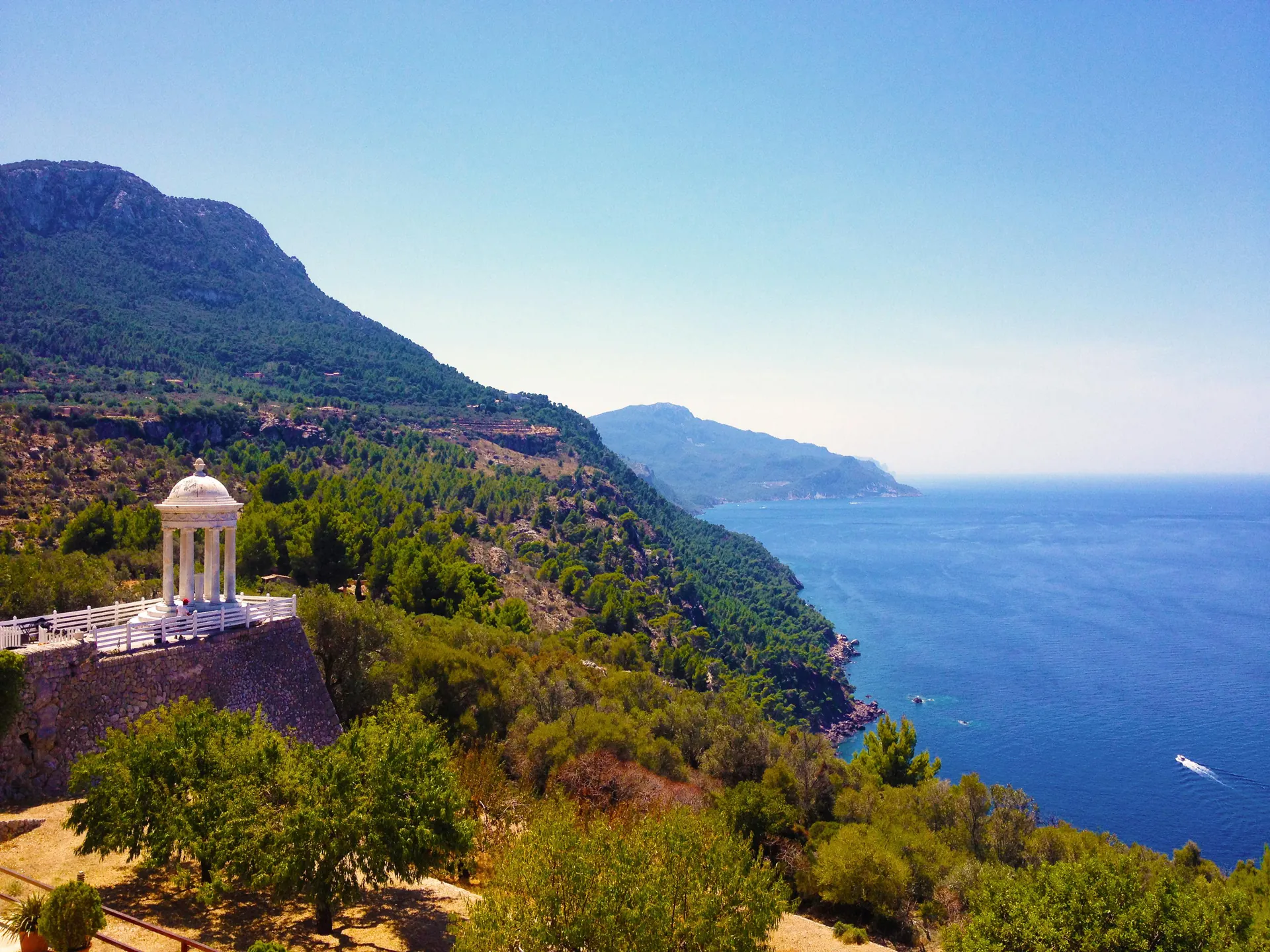
If you want to understand our wine, you have to go to Binissalem. This was the first region on the island to receive the Denominación de Origen status back in 1990. The landscape here is flat and stony, guarded by the distant peaks of the Serra de Tramuntana. The stars of the show are our indigenous grapes. For reds, it is Manto Negro. It is not a heavy, mouth-coating wine; it is elegant, with notes of cherry and a bit of liquorice. For whites, we have Prensal Blanc (sometimes called Moll), which is fresh and floral, perfect for a long lunch under a pergola.
Local Tip: If you are here around May 30, 2026, do not miss the DO Binissalem Wine Days. For about €25, you can taste your way through the best bottles the region has to offer at the headquarters in Binissalem village.
I often suggest a visit to Vins Nadal. They have been at it since 1932. You can do a simple tasting for about €26, or go for the full Racimo Especial which includes five wines and some proper local snacks for €63. Another historic giant is Bodegas Jose L. Ferrer, where the cellars feel like a walk through time. These are not just businesses; they are the keepers of our liquid history.
Palma’s Market Culture: Beyond the Stalls
In Palma, life revolves around the markets. The Mercat de l’Olivar is the big one. It is a cathedral of food. You have the seafood hall where the catch is still twitching on the ice, and the meat stalls where rows of sobrassada hang like heavy red curtains. It is open from 07:00 every day except Sunday, mind you, the seafood hall is always closed on Mondays as there is no fresh catch. If you want to see it at its best, go on a Friday morning when the locals are doing their big shop.
Then there is Santa Catalina. This used to be the fisherman’s quarter, and the market there is smaller but very lively. It is the heart of “tardeo” culture—where people meet for drinks and tapas in the late afternoon instead of waiting for a late dinner. It is very trendy now, mind you, and you might spot a celebrity or two. People often ask which celebrities live here. While Brad Pitt has been spotted and Michael Douglas has a famous estate near Valldemossa, in the markets, everyone is just another customer looking for the best prawns.
Ensaimada and Sobrassada: The Holy Grail
You cannot talk about Mallorcan food without mentioning the Ensaimada. It is a spiral-shaped pastry that has Protected Geographical Indication (IGP) status. The secret is the saïm (pork lard), which gives it that incredible flaky texture. My favourite spot is Can Joan de S’Aigo. They have been serving these since 1700. An individual piece will cost you about €3, and a large box to take home is usually under €20. Just look for the IGP seal on the box; otherwise, it is not the real deal.
The Sobrassada de Mallorca is our other obsession. It is a raw, cured sausage made from the Porc Negre (Black Pig). It is soft enough to spread on bread and seasoned with Tap de Cortí, a local paprika that gives it that deep orange glow.
Liquid Gold and White Gold
The mountains are home to our olive trees. Some of them are over a thousand years old, with trunks that look like twisted sculptures. We call our olive oil Oli de Mallorca. If you want to see how it is made, head to a tafona (oil mill). Treurer in Algaida offers a wonderful tour that includes a light lunch for about €79.50. It is a peaceful way to spend an afternoon, far from the crowds.
Down south, near the beach of Es Trenc, we harvest Flor de Sal. These are salt flats where the Mediterranean water evaporates under the sun, leaving behind crystals that we harvest by hand. My dog, Cala, loves the walks around the edges of the wetlands nearby, though she isn’t much of a help with the harvesting. You can visit the flats and buy the salt in little tins—it makes a much better souvenir than a plastic donkey.
Culinary Experiences and Pricing
| Activity | Location | Estimated Price | Duration |
|---|---|---|---|
| Wine Tasting (3 wines) | Binissalem | €26 | 1.5 Hours |
| Olive Oil & Lunch Tour | Algaida | €79.50 | 3 Hours |
| Spanish Cooking Class | Palma Windmill | €153.93 | 4 Hours |
| Ensaimada & Coffee | Palma Center | €6 – €8 | – |
| Market Tasting Tour | Mercat de l’Olivar | €45 – €60 | 2 Hours |
The Celler Tradition and Seasonal Rhythms
If you want a real Mallorcan dinner, you go to a celler. These were originally underground wine cellars, mostly in the town of Inca. Today, they are vaulted restaurants serving heavy, traditional food. Look for Arròs Brut (“dirty rice”), a spicy, soupy rice dish with whatever meat was available that day—rabbit, chicken, or snail. It is the ultimate comfort food for a winter afternoon.
In the spring, everyone eats Frit Mallorquí. It is a sizzle of offal, potatoes, peppers, and garlic. I know offal sounds scary to some, but give it a chance. It is a dish that tastes like the island’s history. It is a humble, honest way of eating that has survived for centuries. For more on these specific dishes, you might want to read our guide on Traditional Mallorcan Foods You Must Try.
A Final Sip: Hierbas and Palo
We finish every meal with Hierbas Mallorquinas. It is a green liqueur made from aniseed and a bunch of mountain herbs like rosemary, chamomile, and fennel. You can get it dulces (sweet), mezcladas (mixed), or secas (dry). I prefer the mixed one over ice. There is also Palo, a dark, bitter liqueur made from carob and quinine. It was originally used as a medicine for malaria, but now we just drink it as an aperitif with a splash of seltzer.
Whether you are taking a private tour through the vineyards or just wandering the stalls of a village market, the food here is about connection. It is about the person who grew the grapes or the baker who woke up at 3 AM to fold the pastry. Mallorca is not just a place to visit; it is a place to taste. And if you have a few days, that is usually enough to fall in love with our kitchen, though you will likely want to come back for more.