
The air in the Sóller valley has a weight to it that you do not find elsewhere on the island. It is heavy with the scent of citrus, a thick, sweet perfume that clings to your skin on a warm afternoon. While most visitors head straight for the vintage tram or the busy cafes of the square, there is a quiet corner on the edge of town where the wild spirit of the Serra de Tramuntana is kept under lock and key, so to speak. The Jardí Botànic de Sóller is not your typical public park with manicured lawns and rows of imported petunias. It is a living library, a place dedicated to the survival of plants that have called the Balearic Islands home since long before the first humans arrived.
A Sanctuary for the Rare
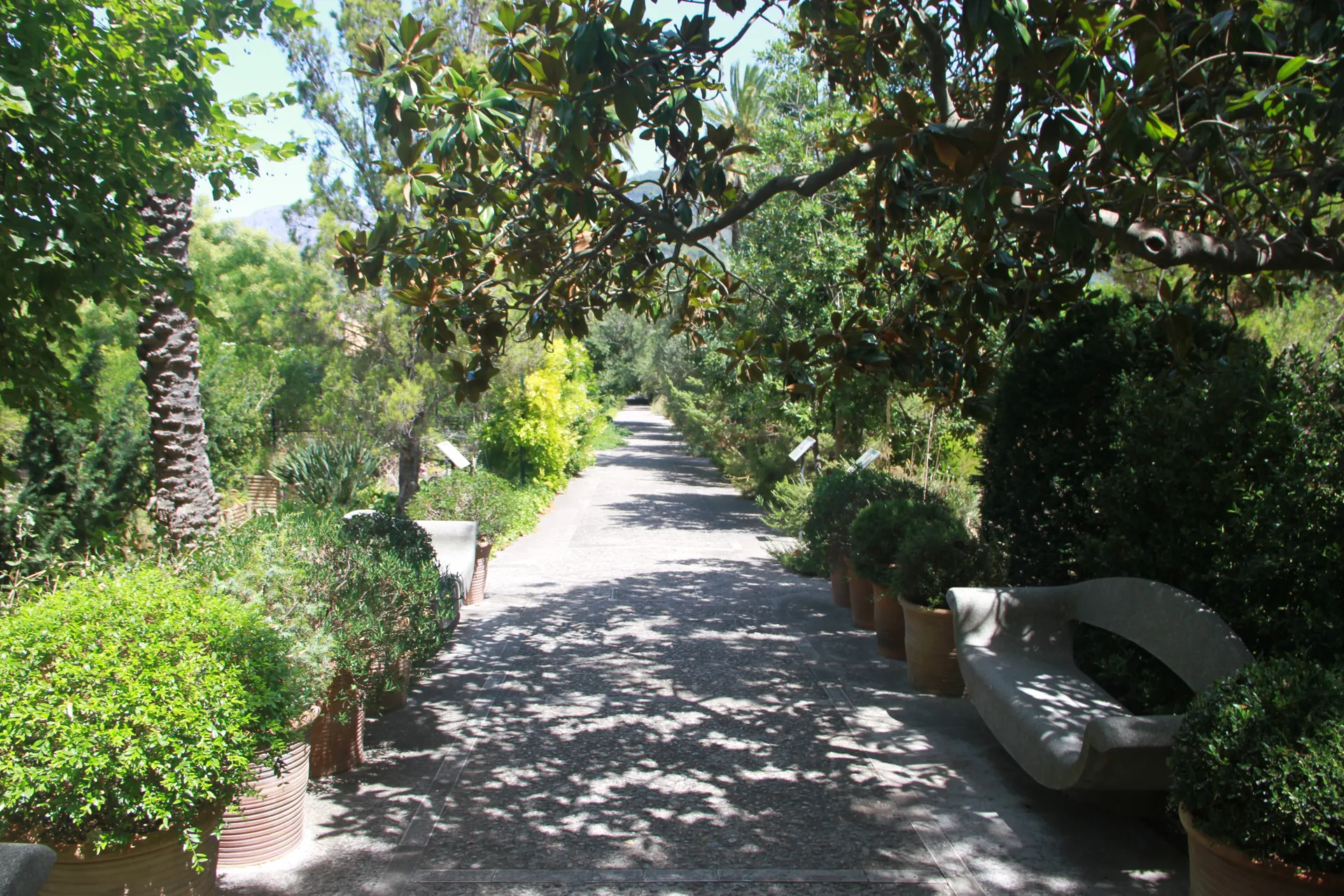
You need to understand that this garden is a research centre first and a tourist attraction second. Its primary purpose is the conservation of Mediterranean flora, particularly species that are under threat of disappearing forever. I often come here when I want to escape the noise of the port. Mind you, I have to leave Cala, my dog, at home for this one. Dogs are strictly forbidden inside the garden to protect teh delicate ecosystems they have built here. It is one of the few places where the silence is broken only by the sound of water trickling through stone channels and the occasional call of a bird from the mountain slopes.
| Detail | Information (2026) |
|---|---|
| General Admission | €9.00 |
| Opening Hours (Mar-Oct) | Mon – Sat: 10:00 – 18:00 |
| Opening Hours (Nov-Feb) | Tue – Sat: 10:00 – 14:00 (Closed Jan) |
| Location | Carretera de Palma-Port de Sóller, km 30.5 |
| Best Time to Visit | April and May for peak blooms |
The Wild Balearic Collection
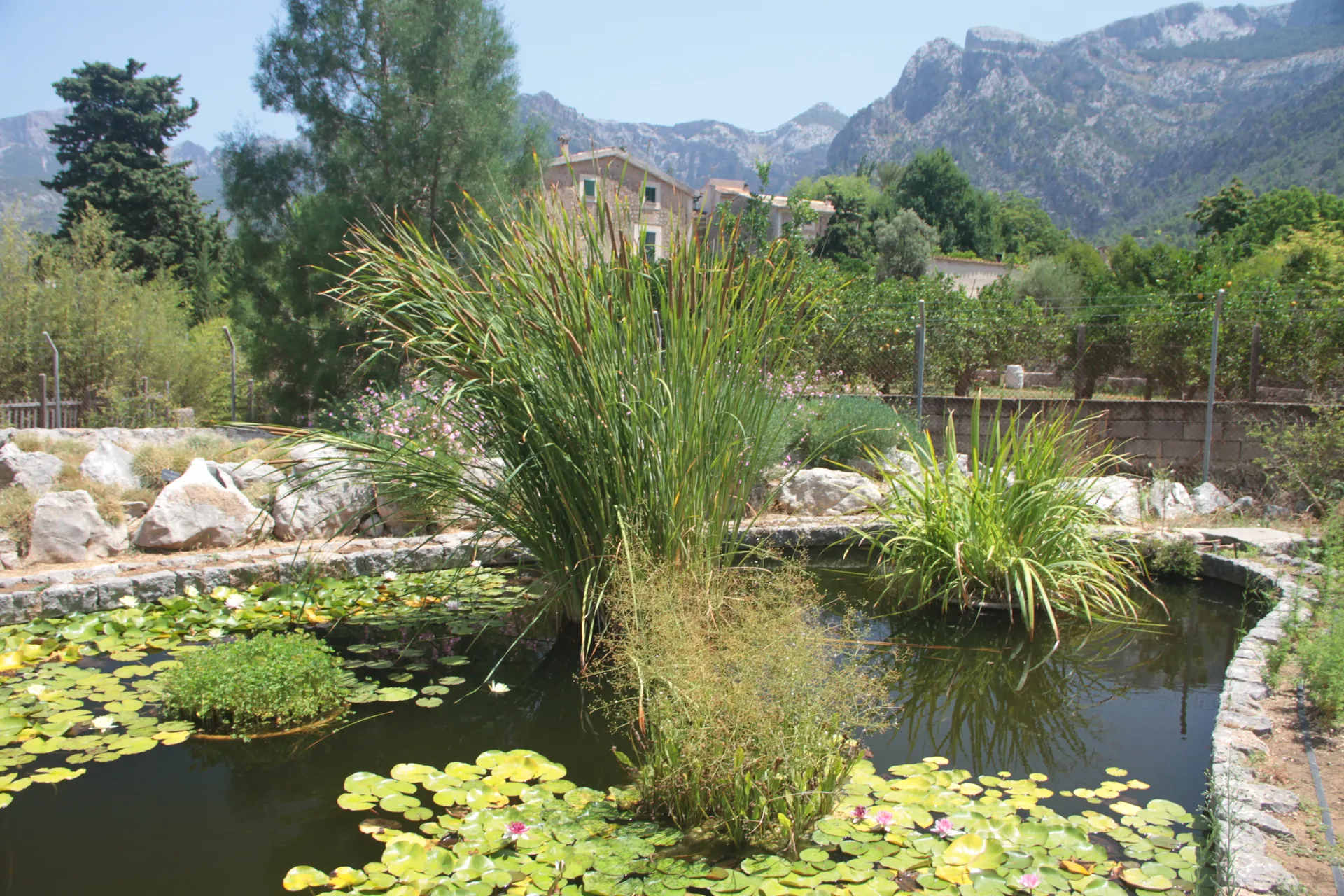
The garden is laid out in a way that mimics the natural geography of the islands. As you walk through the first section, you encounter plants from the coastal dunes of Formentera and the high, windswept peaks of Mallorca. It is a strange feeling to see a plant like the Helianthemum scopulicolum, a rare Mallorcan rockrose, growing just a few feet away from a display of holm oaks. These are species that have adapted to our harsh summers and rocky soils over millennia.
Beyond our own shores, the garden reaches out to the rest of the Mediterranean. There are dedicated areas for the flora of Corsica, Sardinia, and Sicily. It is fascinating to see the subtle differences in how these plants have evolved on separate islands. You might notice that a shrub from Malta looks very similar to one from Crete, yet they have developed their own distinct defenses against the salt and wind. If you are interested in seeing these landscapes in their wilder state, a Serra de Tramuntana excursion is a proper way to spend a day.
Ethnobotany and the Historic Orchard
One of my favourite parts of the garden is the section dedicated to ethnobotany. This is where you find the plants that have shaped Mallorcan life for centuries. Our ancestors relied on these herbs for everything from curing a chest cold to flavoring a Sunday roast. There are over 200 varieties of medicinal and aromatic plants here. It reminds me of the stories my grandmother used to tell about which leaf to pick for a stomach ache. The knowledge is mostly kept in books now, but here, the plants are still very much alive.
The garden is home to 137 local varieties of fruit trees. In the historic orchard, the citrus collection is a living history of the Sóller valley’s economy.
The orchard is a sight to see, especially when the oranges and lemons are heavy on the branches. Sóller is famous for its citrus, and the varieties grown here are part of a heritage that dates back to the Moorish occupation. These trees are not just for show; they are part of a project to ensure that traditional Mallorcan fruit varieties do not get replaced by commercial clones. Many visitors combine a trip here with a vintage train and boat tour, which allows you to see the valley from several different perspectives in a single day.
The Museu Balear de Ciències Naturals
Inside the same grounds is the Museu Balear de Ciències Naturals (MUCBO). It is housed in a grand old building that feels like a scholar’s retreat. The museum holds the incredible collection of Guillem Colom, a man who spent his life studying the tiny fossils found in our rocks. There are over a million specimens in his micropaleontology collection. It might sound dry to some, but when you look at these fossils, you realize that Mallorca was once at the bottom of a prehistoric sea. It puts our current worries into perspective, I think.
The museum also oversees the Banc de Germoplasma, or Seed Bank. This is where the real “invisible” work happens. Scientists collect and store seeds from all over the Balearics to protect them from climate change and habitat loss. It is a safety net for our biodiversity. You can find more details about their ongoing research on the Official Website. If you are planning a trip from Palma, using the TIB bus network is often easier than trying to find parking in Sóller during the height of summer.
Practicalities for the Journey
Getting to the garden is part of the experience. If you take the Ferrocarril de Sóller from Palma, you can walk to the garden in about fifteen minutes from the station. The path is mostly flat, though some areas of the garden itself have gravel paths that can be a bit of a struggle for those with limited mobility. Most of the lower terraces have ramps, but the upper wild sections are a bit more rugged. It is something you should be aware of before you set out with a wheelchair or a heavy pram.
If you find yourself with time to spare after your visit, I suggest walking down toward the port or stopping at a local cafe for some fresh orange juice. For those who want a more structured day, there are several private tours that include a stop at the garden as part of a wider Tramuntana itinerary. While Mallorca is famous for its beaches like Cala Pi or the rugged cliffs of Torre del Verger, the Jardí Botànic offers a different kind of beauty. It is a slow beauty, one that requires you to stop and look closely at a flower that exists nowhere else on Earth.
Explore Sóller and Beyond
While the botanical garden is a highlight, the surrounding area has much to offer. Many travelers enjoy a full-day VIP tour that covers Valldemossa, Deià, and Sóller in one go. If you prefer the water, a sunrise boat trip from the nearby port is a fantastic way to see the coastline before the crowds arrive. Whatever you choose, remember that the best way to experience Mallorca is to move at its own pace—slowly, and with a bit of respect for teh land we are lucky enough to walk upon.