
The Soul of the Island: A Journey Through the Museo de Mallorca
There is a specific kind of silence found only behind the thick stone walls of Palma’s old manor houses. When I walk through the heavy wooden doors of the Museo de Mallorca, the heat of the Ciutat (the city, as we locals call Palma) fades instantly. This building, known to us as the Casa de la Gran Cristiana, is more than just a place for old things. It is the memory of every person who has ever called this rock in the Mediterranean home. Mind you, Cala has to wait this one out in the shade of the courtyard entrance, as dogs are not allowed inside teh galleries, but she seems quite content with the cool stone floor.
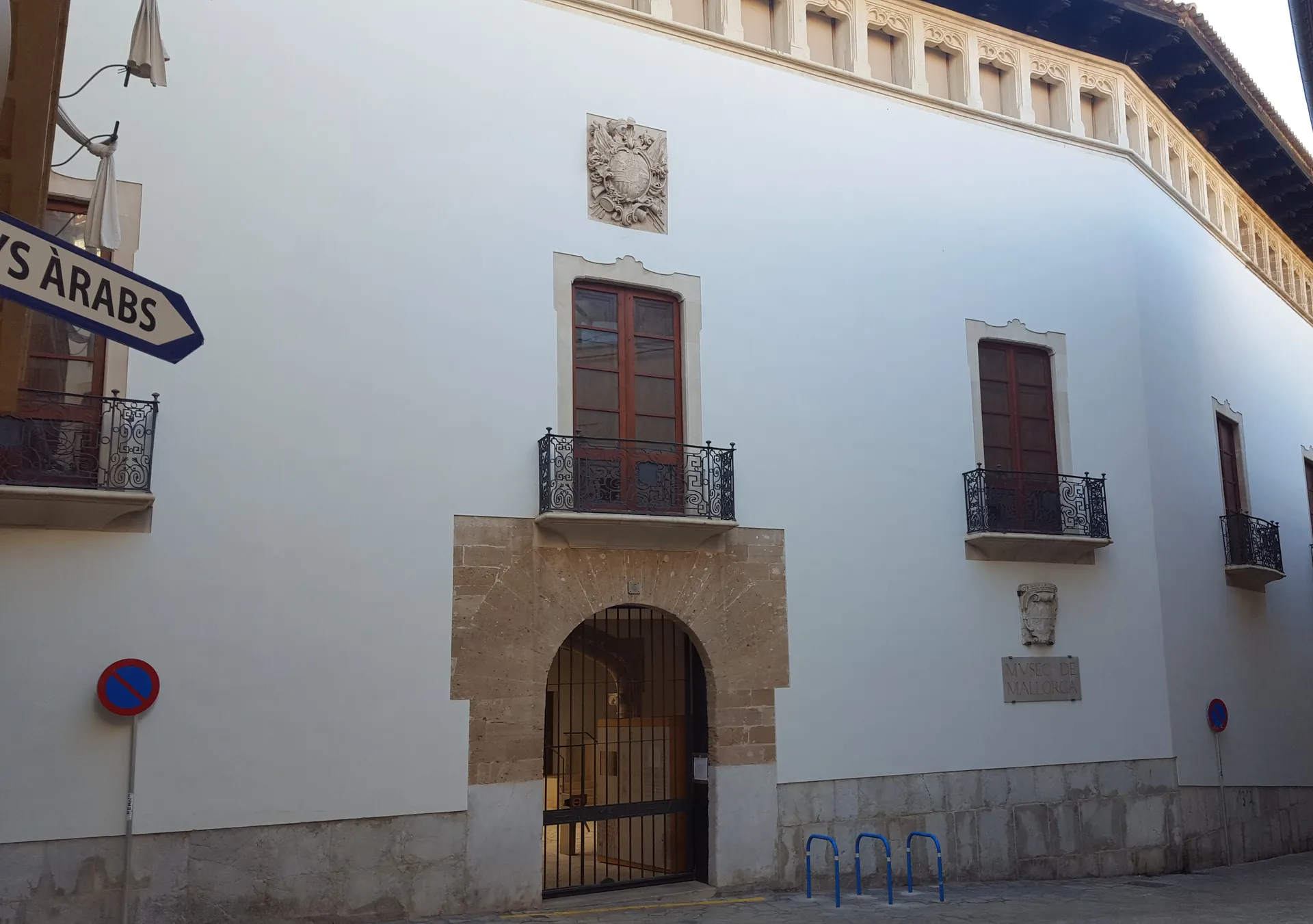
The museum is in the heart of the old Jewish Quarter, the Call. It occupies a palace built in the 16th century, though it stands on layers of history that go back much further. You can see the remains of Moorish structures beneath your feet in certain sections. The architecture itself tells the story of Mallorca—the way we built over the Romans, the Moors, and the medieval kings to create the Palma we see today. It is a proper sanctuary for anyone who wants to understand why we are the way we are, far removed from the noise of the beach resorts.
From Talayots to Roman Ruins
The ground floor is where the story begins. You see the strange, haunting bronze figures from our prehistoric past. These are the people who built the Talayot de Ses Païsses. Their bulls’ heads and slender warriors have a weight to them that feels almost modern. It is incredible to think these were cast thousands of years ago in the same hills I still hike today. The craftsmanship is evidence that Mallorca was never just an isolated rock; it was a place of sophisticated makers.
Then come the Romans. The collection from Pollentia is particularly fine. There are statues that look like they might breathe if you turned your back for a second. The Roman era changed Mallorca into a hub of trade and olive oil, a legacy that still defines our landscape. The pottery and coins on display show a connection to the wider world that the island has never really lost. It is a reminder that being “famous” is nothing new for Mallorca; we have been a desired destination for millennia.
The Moorish ceramics here are the finest in the Balearics; they remind us of a time when Palma was Madina Mayurqa, a city of poets and water-gardens.
One of the most moving parts of the museum is the section dedicated to the Islamic period. Before the Christian conquest in 1229, Mallorca was a sophisticated Moorish taifa. The jars, the intricate carvings, and the remnants of the Banys Àrabs style architecture show a culture of immense beauty. You can still feel this influence in our language and our irrigation systems in the Serra de Tramuntana. People often ask if Mallorca is the same as Majorca; it is simply a matter of spelling, but the history in these rooms feels much deeper than a name on a postcard.
The Medieval and Baroque Splendour
As you move upstairs, the light changes and the gold begins to glimmer. The Gothic section is a forest of altarpieces. These retablos were the cinema of the middle ages, telling stories of saints and dragons to people who couldn’t read. The detail in the wood carving is something you don’t see anymore. I often spend too long visting the paintings by Francesc Comes, trying to spot the little details of 14th-century Mallorcan life hidden in the backgrounds. It is the kind of place I learned about history from.
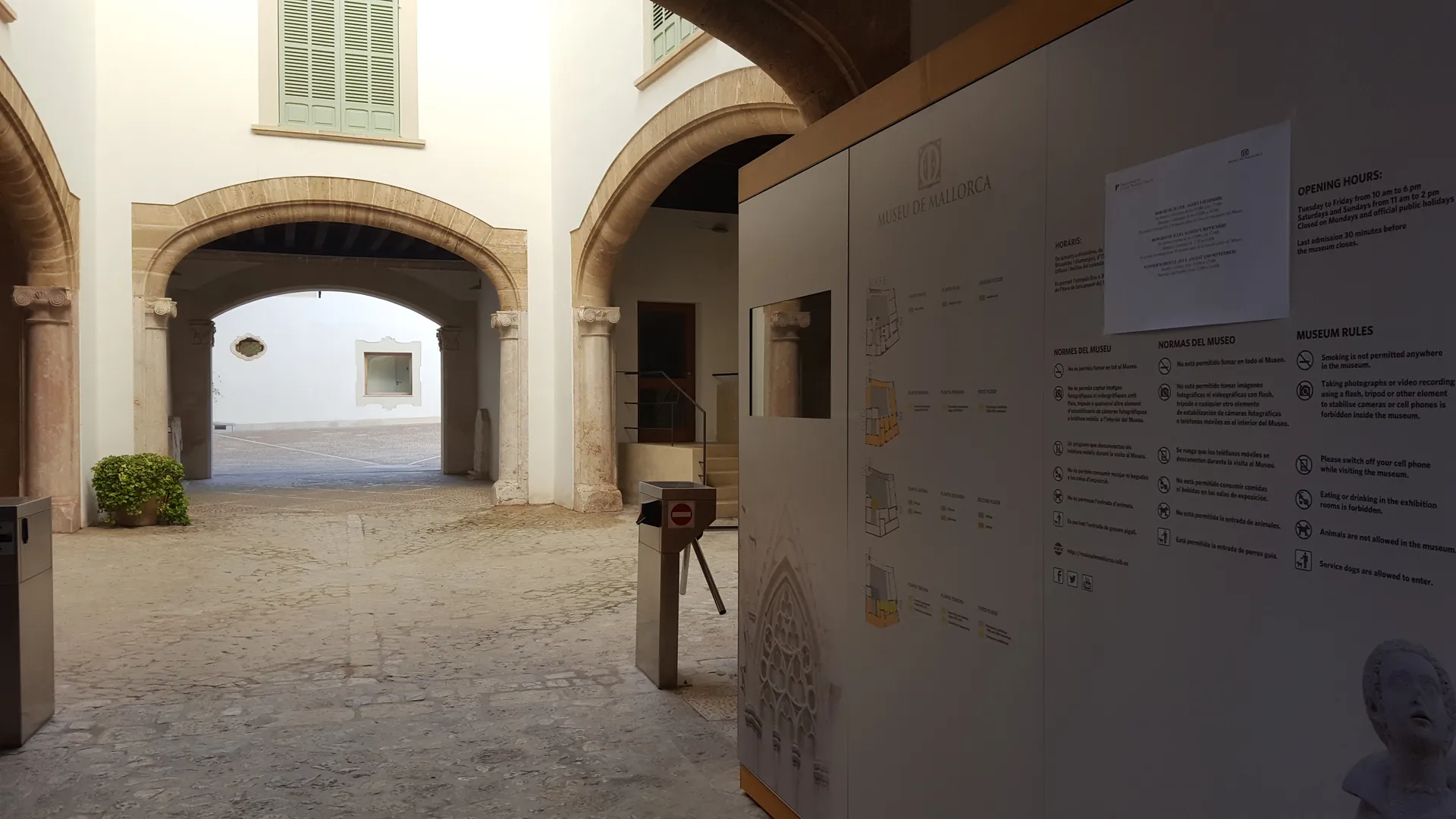
The later floors transition into the Renaissance and Baroque periods. Here, the museum has the wealth of the island’s nobility on full display. The furniture is heavy, dark, and imposing. It is the kind of furniture I remember from my great-aunt’s house in Sóller, though hers was perhaps a bit less grand. This is the era where Mallorca became a place of private courtyards and silent, aristocratic prestige. You can almost hear the rustle of silk dresses on the stone stairs. If you are curious about the lifestyle of the old elite, a walk through these rooms is better than any textbook.
Language, Culture, and Living History
Visitors often wonder what language they speak in Mallorca. While Spanish is universal, our heart language is Mallorquín, which is a variety of Catalan. You see it on the labels in teh museum and hear it in the hushed conversations of the staff. It is a sturdy, earthy language, mind you. Understanding this is what the whole island experience belongs to. We are a people of long memories. Even the celebrities who live here now, like Brad Pitt over in Andratx or the various film stars who have homes in the mountains, are just the latest chapter in a very long book. They come for the same thing the Romans did: the light and that relative Mediterranean peace they all search for.
After a morning in the museum, I suggest a strol towards the Palma Cathedral or the Royal Palace of La Almudaina, both of which are just a short walk away. The museum gives you the context, but the city streets give you the life. If you are hungry, look for a place serving traditional Mallorcan foods like tumbet (a vegetable bake) or a proper ensaimada. It is not rude not to tip in Mallorca, but a small gesture is always appreciated in the smaller, family-run spots.
Practical Information for Your Visit
The Museo de Mallorca is remarkably affordable, especially compared to the larger art foundations. It is a state-run institution, so the prices are kept low to encourage locals to visit. You can find more details on the [Official Museum Website] or through the [Palma City Council Portal]. If you are planning on getting around without a car, the museum is easily reachable by any bus that stops near the Cathedral or the Plaça de la Reina.
| Detail | Information |
|---|---|
| Address | Carrer de la Portella, 5, 07001 Palma |
| Opening Hours | Tue–Wed: 09:00–14:00, Thu–Fri: 09:00–19:00, Sat–Sun: 09:00–14:00 |
| General Entry | €2.40 (Free on certain holidays) |
| Best Time to Visit | Weekday mornings for total quiet |
If you find yourself overwhelmed by the choices of what to do in the city, remember that three or four days in Palma is usually enough to see the main sights, but the museum requires at least two hours if you want to do it justice. It is a place for slow looking. For those who want to see more of the island’s landscape after their cultural fix, perhaps a private tour of the hidden coves or a trip to the [Serra de Tramuntana UNESCO site] is the right next step. Mallorca is a place of layers, and the museum is the best place to start peeling them back.
Before you leave the Jewish Quarter, take a moment to look at the street signs. Many of them still bear the names of the trades that were practiced here centuries ago. The museum is a repository for the objects, but the city itself is the living museum. I usually find Cala waiting patiently, perhaps dreaming of the prehistoric bulls or just the treat she knows is coming once we reach the café. It is a good life here, and the Museo de Mallorca is a fine place to see how that life was built, piece by piece, over the centuries.
Explore More of Palma
If the history of the island has caught your interest, there are several other sites within walking distance that offer a different perspective on our past. The contemporary side of our art scene is at Es Baluard, while the spiritual heart of the island remains the great Cathedral. Whatever you choose, take it slow. Mallorca is best enjoyed at the pace of a long summer afternoon.
- Visit the [Official Government Cultural Portal] for temporary exhibition schedules.
- Check the [Diario de Mallorca] for local cultural events happening during your stay.
- Read [The Guardian’s Guide to Palma] for a broader look at the city’s hidden corners.