
The Allure of Son Marroig
People often ask why Mallorca is so famous. They assume the island is entirely about the southern beaches and summer resorts. The truth is found up on the Ma-10 road, where the limestone cliffs of the Serra de Tramuntana drop straight into the Mediterranean Sea. Son Marroig is the historical crown jewel of this coastline. It is an estate that captures the exact contrast of harsh mountain rock and endless blue water. You might hear visitors call the island Majorca, an old spelling that stuck around in the UK. British travellers have been coming to this coast for decades to find reliable sunshine and a relaxed pace of life. This specific stretch of road offers something entirely different from the commercial centres. It is a place of absolute quiet, defined by ancient olive terraces and the heavy scent of pine trees.The Archduke’s Legacy: Ludwig Salvator of Austria
Tabloids spend a lot of time guessing which celebrities have a house in Mallorca. There are always rumours about Brad Pitt buying a villa or famous musicians hiding out in the hills. Long before Hollywood found the Tramuntana, the island had a different kind of high-profile resident. Archduke Ludwig Salvator of Austria, known locally as S’Arxiduc, was born in Florence in 1847. He belonged to one of the most powerful royal families in Europe. He purchased the Son Marroig estate in 1876. This was not a vanity project. He bought the land with the specific intention of protecting the local nature from the creeping edge of development. The Archduke was an eccentric man who preferred wearing peasant clothes to royal uniforms. He spent his days studying the local flora and fauna, eventually writing Die Balearen. This monumental 7-volume encyclopedia took him 20 years to complete. It remains the definitive historical guide to the culture and natural history of the islands.He saw the value of the coastline before anyone else. The Archduke saved this stretch of the Tramuntana from becoming just another line of concrete hotels.
The Carrara Marble Pavilion
The most recognisable element of the estate is the classical Greek-style rotunda sitting on the edge of the cliff. The Archduke had this pavilion built from white Carrara marble imported directly from Italy. It is the defining image of the property and arguably the most photographed architectural structure on the western coast.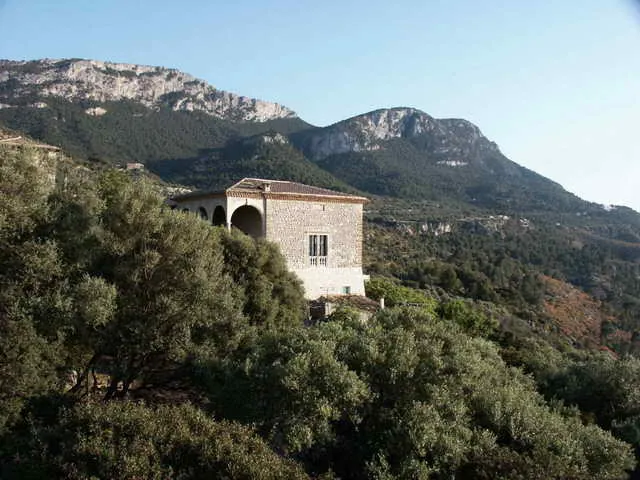
Inside the Museum: A Window into the 19th Century
The house itself became a museum in the late 1920s, preserving the atmosphere of the Archduke’s time. Walking through the historic rooms is a very quiet, deliberate experience. The museum has original antique furniture, old navigational maps, and personal artefacts belonging to the royal family. The collection includes an original edition of Die Balearen, displayed alongside paintings by prominent local artists like Joan Bauçà and Anglada Camarasa. These artworks capture the rugged landscapes and traditional daily life of the 19th-century Mallorcan people. You can check the official Casa Museo de Son Marroig website for details on specific seasonal exhibitions, though the core collection remains largely unchanged year after year.The 16th-Century Watchtower
Attached to the main house is a square defensive tower dating back to the 16th century. The Archduke later added Renaissance-style windows to soften its militaristic appearance, but its original purpose was purely practical. The Tramuntana coast was constantly under threat from corsairs and pirate raids.
Local legend states that pirates kidnapped a woman from nearby Sóller right out of this exact tower. This dark, violent history provides a sharp counterpoint to the deeply romantic atmosphere the estate has today. It is a reminder of how isolated and dangerous this coastline used to be.
Hiking Down to Sa Foradada
The estate overlooks a massive peninsula with an 18-metre hole naturally carved into the rock. This is Sa Foradada. Visitors can walk down to the peninsula directly from the property via a winding dirt path. It is a proper hike down through the old olive groves. Cala loves this trail, mind you, she handles teh loose gravel much better than I do. It is a beautiful descent that takes you right down to the water level, though the climb back up is a bit of a slog which we usually need to prepare for. Bring plenty of water, as there is very little shade on the return journey during the afternoon.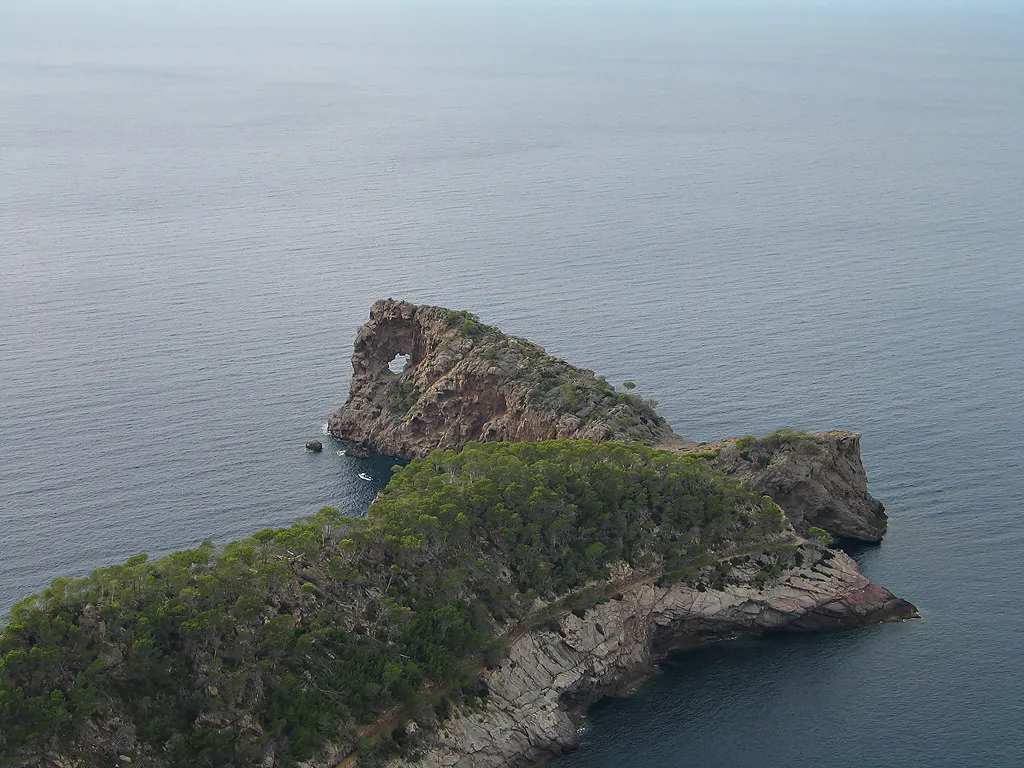
The Mirador and the Perfect Sunset
If you time your visit for the late afternoon, you will experience the golden hour. The sun dips low behind the Mediterranean, casting a warm orange glow across the limestone cliffs. The viewing point, or mirador, at Son Marroig is the prime location for this daily event.Many people ask what makes a good souvenir from Mallorca. A photograph of the sun setting through the hole of Sa Foradada, taken from the marble pavilion, is better than anything you can buy in a shop.
Classical Notes: The Deià International Music Festival
Son Marroig is not just a static museum. It is an active cultural venue. Since 1978, the estate has hosted the Deià International Music Festival. Founded by Patrick Meadows, the festival runs from May to September. The concerts take place inside the main house or out on the terrace. Listening to world-class chamber music while the sun sets over the sea is a profound experience. Tickets for the 2026 season are generally €30.00, and they sell out quickly due to the intimate size of the venue.A Premier Wedding Destination
People frequently ask if Mallorca is cheap or expensive. The answer depends entirely on what you are doing. General admission to this museum is highly affordable. Reserving the estate for a private event is a different story entirely. Son Marroig is an extremely exclusive wedding venue. It requires booking years in advance. The marble pavilion serves as the altar, and the terrace hosts the reception. The property transforms into a high-end gathering space that attracts international couples looking for a dramatic backdrop.Getting There: Navigating the Ma-10
The drive to the estate is an event in itself. You will take the Ma-10 road, connecting Valldemossa to Deià. Visitors often wonder what to be careful of in Mallorca. On this road, drivers need to be highly aware of the sheer drops, the tight corners, and the large groups of cyclists sharing the narrow lanes. Parking is available at the entrance, but the lot is small and fills up rapidly during the summer months. If you prefer to avoid the stress of driving, you can use the TIB transport network. The public bus drops you a short walk from the main gate. Alternatively, booking a guided excursion like the Mallorca Full-Day VIP Tour: Valldemossa, Deià & Sóller Experience completely removes the hassle of finding a parking spot.Opening Hours and Admission
The estate operates on a traditional schedule. You do not need to book general admission tickets in advance. You simply pay at the entrance.| Day | Hours |
| Monday to Saturday | 9:30 AM – 2:00 PM / 3:30 PM – 4:30 PM |
| Sunday | Closed |
| General Admission | €4.00 |