
📌 Looking for Full Timetables, Bus Lines & Payment Rules?
For comprehensive route maps, airport express buses, contactless TIB payment rules (“Tap On, Tap Off”), and train lines, visit our master guide: How to Get Around Mallorca (2026 Transport Guide) →
The Art of Moving Through Mallorca
The first thing you notice when you step off teh plane at Son Sant Joan is the light, but the second is the sheer choice of how to leave it. Mallorca is an island that rewards the slow mover, yet it has a system that is surprisingly modern for an outpost in the middle of the Mediterranean. I often take my dog, Cala, on the early bus to the mountains, and there is a proper sense of community in the way we all shuffle together toward the peaks or the sea. Moving around is where the magic is at. [tp_search_shortcodes slug=”transport”] Whether you are here for the first time or returning to a familiar haunt, understanding the rhythm of our transport is essential. While many ask “Is Mallorca the same as Majorca?”—it is simply a matter of the Spanish versus the British English spelling—the logistics remain the same. The island is large enough to require a plan but small enough that a wrong turn usually leads to a better view anyway.The Red and Yellow Fleet: TIB Interurban Buses
If you see a sleek red and yellow bus, you are looking at the TIB (*Transports de les Illes Balears*). This is our lifeline to the villages. As of 2026, we locals with an Intermodal Card enjoy a “zero-fare” policy, which has transformed the way we commute. For you, the system is just as elegant. Forget fumbling for coins or trying to find a ticket booth in the heat.Cash fares are steep, ranging from €3 to €13.50, so the bank card trick is a proper lifesaver. You can check the latest routes and times on the [Official TIB Website]. These buses are the best way to reach the Serra de Tramuntana without the stress of navigating hair-raising mountain bends yourself.Mateo’s Tip: Use your contactless bank card to “tap-in” when you board and “tap-out” when you leave. The system automatically calculates the cheapest fare, mind you, and it is significantly cheaper than paying the driver in cash.
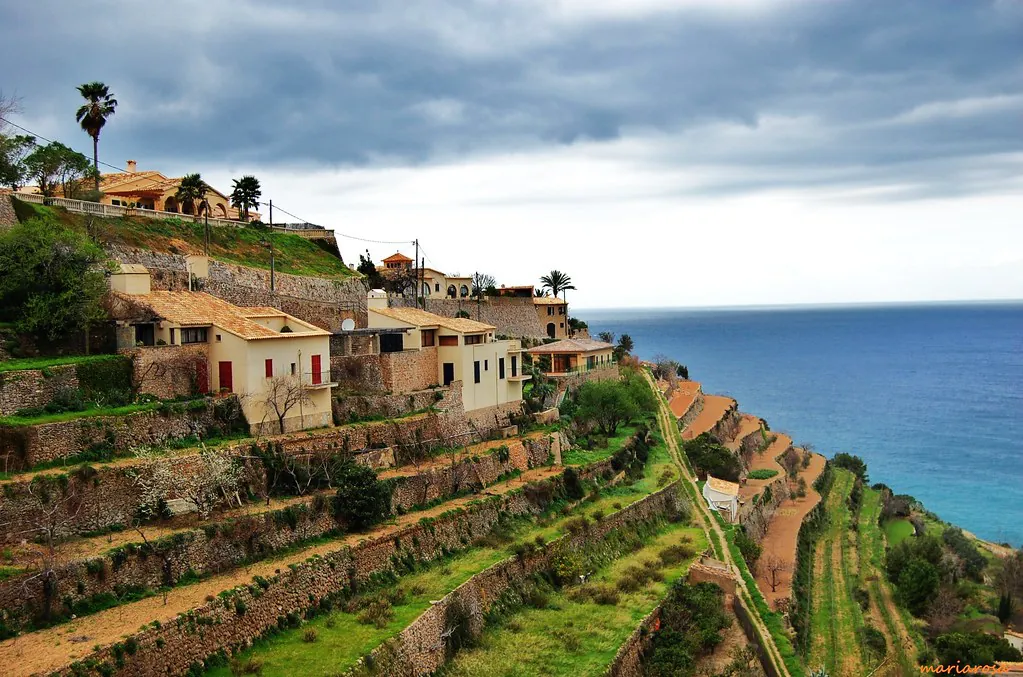
Palma’s Urban Pulse: EMT and the Metro
Inside the capital, the blue, white, and green buses of the [EMT Palma] take over. If you are heading from the airport to the city centre, the A1 line is your best friend, costing a flat €5. For general wandering around the city, fares stay at a modest €2.- Line A1: Aeroport to Passeig Mallorca. High frequency, plenty of luggage space.
- Line 4: Perfect for reaching the Palma Cathedral or the Royal Palace of La Almudaina.
- Metro M1: Our single underground line connects the Estació Intermodal to the University. It is fast, clean, and often overlooked by visitors.
BiciPalma: The City on Two Wheels
The 2025 and 2026 expansions have seen BiciPalma grow into a formidable network. There are now eighteen new stations along the Passeig Marítim and stretching out toward Platja de Palma. It is no longer just for us locals; visitors can register easily through the app.
| Ride Type | Price (2026) |
|---|---|
| Mechanical (30-120 min) | €0.50 |
| Electric (First 30 min) | €0.35 |
The Historic Journey: Ferrocarril de Sóller
Sometimes transport is about more than just getting from point A to B. The [Ferrocarril de Sóller] is a nostalgic journey through the orange groves in wooden carriages that date back to 1912. The brass fittings and the smell of old pine make it feel like you’ve stepped back a century.The combined ticket for the train from Palma and the tram to the Port is €40. It is the most scenic way to spend an afternoon on the island.
Driving the Tramuntana: The Ma-10 Spine
If you choose to rent a car, you will likely find yourself on the Ma-10. This road is the spine of Mallorca, stretching from Andratx to Pollença. It is home to the legendary *Nus de sa Corbata* (the Tie Knot), a 360-degree curve on the road down to Sa Calobra that tests even the most seasoned drivers.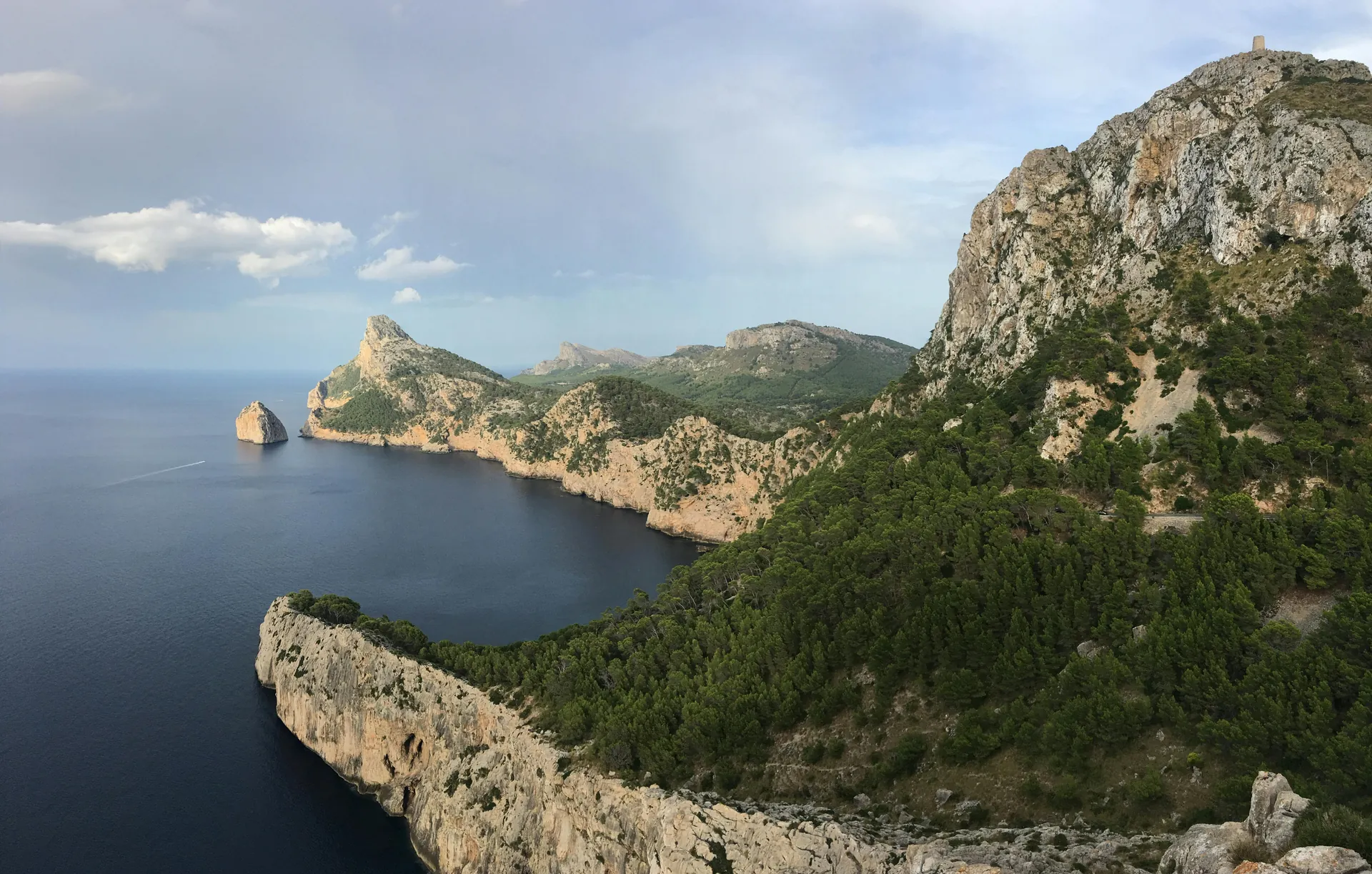
Coastal Connections: Barcas de Sóller
The sea is our original highway. To reach places like Cala Tuent or the Torrent de Pareis without the dizzying drive, take the *Barcos Azules* from Port de Sóller. A round trip costs around €23 and gives you a perspective of the cliffs that you simply cannot get from the land. The water is so clear you can see the posidonia meadows swaying beneath the hull.Reaching the Heights: Regional Landmarks
Many of my favourite spots require a bit of extra effort. To reach the Castell d’Alaró, you can drive partway and park at the Es Verger restaurant, but the final climb is on foot. Similarly, the Santuari de Sant Salvador near Felanitx involves a winding road that offers panoramic views of the entire island.
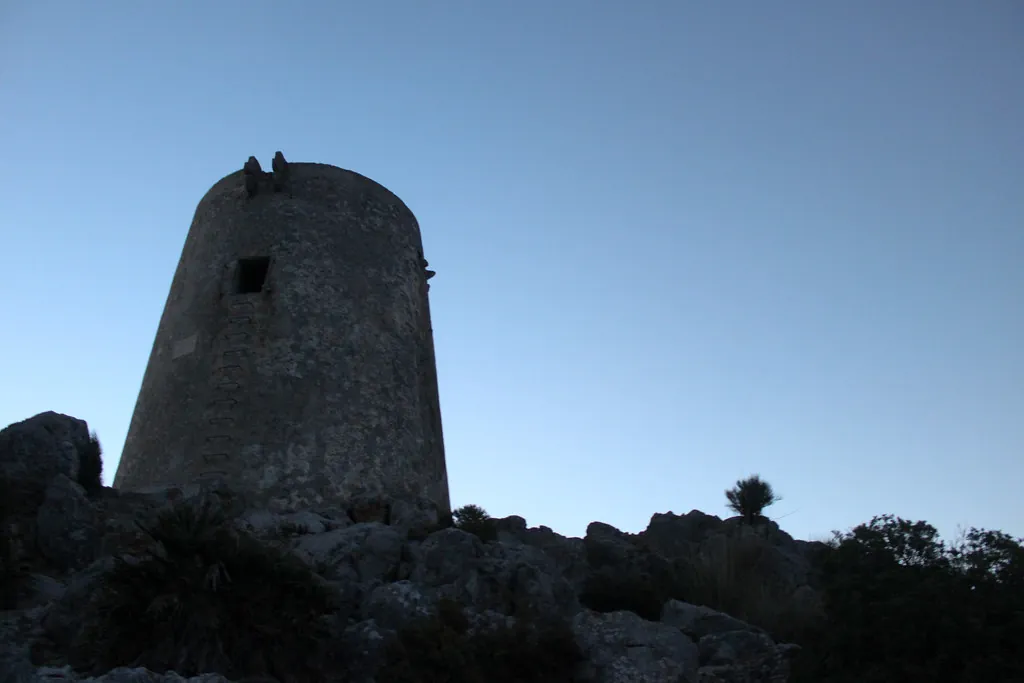
Talaia d’Albercutx: This lookout is located at the end of a narrow road branching off from the Mirador d’es Colomer. It is often less crowded than the main Formentor road and offers a better vantage point for photos.
Transport Comparison Table
| Mode | Best For | Cost Level | Flexibility |
|---|---|---|---|
| TIB Bus | Inter-village travel | Low (Contactless) | Moderate |
| Rental Car | Remote beaches/Mountains | High | Very High |
| Sóller Train | Sightseeing/Nostalgia | Moderate/High | Low |
| BiciPalma | Palma city exploration | Very Low | High (City only) |
Practical Logistics & Tours
If navigating the schedules feels like too much work, there are plenty of structured ways to see the island. Some prefer the privacy of a driver, while others enjoy the social aspect of a group excursion.
Adventure Seekers
🇺🇸
Spanish Cooking Experience in Mallorca
Nature Lovers
🇺🇸
Horse Riding in Mallorca on the Beach and Forest
Adventure Seekers
🇺🇸
Kayaking and snorkeling in the Mondragó Natural Park in Mallorca
Nature Lovers
Family Friendly
🇺🇸
Palma de Mallorca and Valldemossa Excursion from Cruise Port
Nature Lovers
🇺🇸