How to Get Around Mallorca (2026): Public Transport, TIB Buses, Trains & Car Rental
The Art of Slow Travel: Leaving the Keys Behind
🚌 Quick Answer: TIB Bus Contactless Payment (“Tap On, Tap Off”)
- How to pay on Mallorca TIB buses? Simply tap your contactless bank card (Visa, Mastercard) or smartphone (Apple Pay / Google Pay) on the reader when boarding. No paper ticket or pre-registration is needed.
- Do you have to tap off? YES, ALWAYS. You must tap the exact same card or phone on the reader next to the exit doors when getting off. Tapping off calculates your exact travel distance and automatically applies multi-passenger group discounts (up to 5 people travelling together on 1 card save up to 60%). If you forget to tap off, a maximum penalty fare of €0.30/km or fixed penalty is charged.
- Are Mallorca buses air-conditioned? Yes, 100% of the red-and-yellow regional TIB buses and blue Palma EMT city buses are fully air-conditioned, low-floor accessible, and equipped with USB charging sockets.
- Airport Transit: To reach Palma city center, take EMT Airport Bus Line A1 (€5.00). For direct resort transfers (Magaluf, Palmanova, Alcúdia, Cala d’Or), take the seasonal Aerotib buses (A11, A32, A42, A51) straight from outside the arrivals terminal.
There is a specific kind of stillness that settles over you when you decide not to rent a car in Mallorca. Most visitors land at the airport and rush toward the rental counters, eager to secure a steering wheel and a GPS that will inevitably lead them down a narrow stone alleyway intended for goats. I prefer teh window of a TIB bus. I am counting the days until June when the new rules will finally allow me to bring Cala along in her carrier; for now, I head toward the mountains solo, her nose twitching at the door as I leave. Navigating the island using Mallorca public transport is not just a budget choice; it is a way to see the landscape as it unfolds, rather than through the stressful lens of a rearview mirror.
For years, the narrative was that you needed a car to see the real Mallorca. That is no longer true. The island has poured significant investment into a modernised, inter-connected network of buses, trains, and even a metro system that rivals many mainland European cities. Using TIB buses Mallorca allows you to reach the most remote coves and high-altitude villages, often for less than the price of a proper café con leche. Mind you, it requires a bit of local knowledge to master the “tap on, tap off” system, but once you have it down, the island is yours for the taking.
The Heart of the Network: Estació Intermodal
Everything begins at Plaça d’Espanya in the centre of Palma. Beneath the park lies the Estació Intermodal, a cool, subterranean hub where the island’s veins meet. It is a clean, well-signposted space where you can transition from an urban bus to a long-distance coach or a train heading into the rural heartland. If you are getting around Mallorca without a car, this station will be your second home. It has shops, toilets, and digital screens that actually tell the truth about when the next service is arriving.
The TIB Fleet (Red and Yellow): These are the inter-urban buses. They cover the entire island, divided into 100 to 500-series routes. They are air-conditioned, mostly brand new, and have large windows for sightseeing. You will find them waiting in the bays at the lowest level of the station.
The SFM Trains and Metro: The trains run from the central platforms. They head toward the interior towns of Inca, Sa Pobla, and Manacor. The Metro lines (M1 and M2) are shorter, serving the university and the suburban sprawl, but they are incredibly efficient for quick hops.
Mastering the Tap-On, Tap-Off System
The days of fumbling for euros or arguing with a driver about change are over. Mallorca uses a contactless payment system that is remarkably fair. You simply tap your bank card (Visa, Mastercard, or Maestro) on the sensor as you enter the bus and, for TIB or train journeys, tap it again as you exit. If you forget to tap off on the red-and-yellow buses, the system assumes you stayed on until the final stop and charges you the maximum fare. Mind you, for the blue EMT city buses in Palma, you only need to tap once when you board.
Local Insight: You can use the same bank card for up to five people. Each person gets a progressively higher discount on the fare compared to the cash price. The first person receives a significant reduction, and each companion after that travels even cheaper. It is the most economical way to travel for families.
| Transport Type | Payment Method | Estimated Cost |
|---|---|---|
| TIB Inter-Urban Bus | Contactless (Tap-On/Off) | €1.80 – €5.40 |
| EMT Palma City Bus | Cash or Contactless | €1.20 (Card) / €2.00 (Cash) |
| SFM Train / Metro | Contactless (Tap-On/Off) | €1.80 – €4.50 |
| Ferrocarril de Sóller | Ticket Office / Online | €25.00 – €35.00 |
Using cash is a poor choice these days. A cash ticket on a TIB bus is significantly more expensive than the contactless fare. For the official, up-to-date fare tables and route maps, I always recommend checking the Official TIB Website before setting off. It is the only place with real-time updates on strikes or holiday schedules.
Aerotib: The Airport Express
Many travellers assume they must go into Palma city centre to reach their resort. This is a common mistake. The Aerotib services (the A-series buses) run directly from Palma Airport (PMI) to the four corners of the island. They are faster than the standard buses because they skip the smaller villages. If you are staying in the north, the A32 will get you to Alcúdia and Can Picafort without the need for a transfer. It saves hours of travel time and avoids the chaos of the city terminal during peak season.
The A11 serves the southwest (Peguera and Magaluf), while the A42 and A51 head east toward Cala Millor and Cala d’Or respectively. These services are seasonal, so if you are visiting in the deep winter, you might find they are not running. In that case, the A1 city bus will take you from the airport to Plaça d’Espanya for €5.00, where you can then catch your onward inter-urban connection.
The Red-and-Yellow Fleet: Key Routes for the Soul
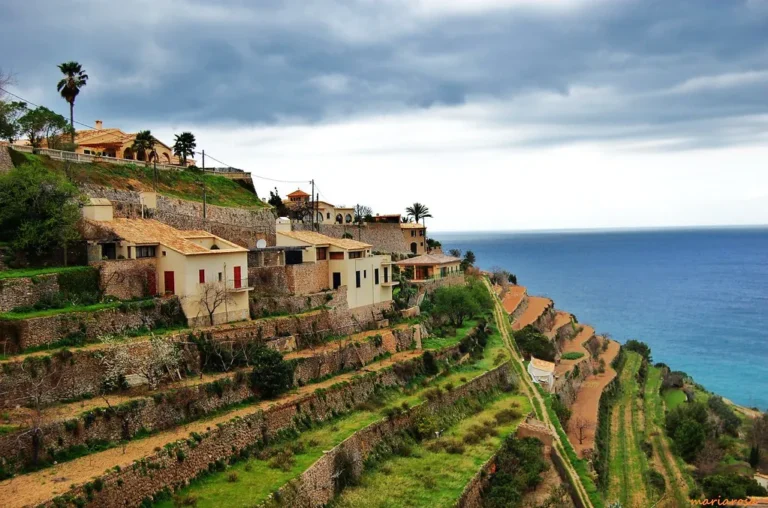
If you want to experience the Serra de Tramuntana, the 203 bus is your best friend. It winds its way from Palma through Valldemossa, Deià, and finally down to Port de Sóller. The views from the top deck are dizzying and beautiful. I often take Cala on this route when we want to walk the coastal paths. For those heading to the white sands of the north, the 301 and 302 routes provide a direct line to Pollença and Alcúdia. The drivers on these routes are surprisingly skilled at navigating the hairpins of the mountain roads, though I wouldn’t recommend looking down if you have a weak stomach.
For a different kind of experience, you might consider booking a Mallorca in One Day Sightseeing Tour, which combines the bus with the vintage train and a boat ride. It is a good way to see the highlights if you only have a few days and don’t want to study bus timetables.
The Iron Path: SFM Trains and the Metro
The trains in Mallorca are a joy. They are clean, quiet, and pass through the agricultural heart of the island where the tourists rarely go. The T1 line takes you to Inca, the “City of Leather,” which has a fantastic market on Thursdays. The T3 continues to Manacor, the home of the famous Majorica pearls. These trains are part of the TIB network, so the same contactless payment rules apply. It is a very different world from the coastal resorts; you see the almond groves and the old stone windmills that define our rural history.
The Metro system in Palma is small but functional. The M1 line is mainly for students heading to the university, but the M2 line goes to Marratxí, which is famous for its pottery. If you are looking for a proper Mallorcan souvenir, like a siurell (a clay whistle), this is the place to find it. Just remember that the metro doesn’t run very late, so check the timings if you are planning an evening trip.
The Vintage Exception: Ferrocarril de Sóller
I must mention the wooden train. The Ferrocarril de Sóller is a private, historic railway that has been running since 1912. It is not part of the TIB public network, which means your contactless card won’t work here. You have to buy a separate ticket at their dedicated station next to Plaça d’Espanya. It is expensive—around €35 for a return ticket including the tram—but it is an experience you won’t forget. The train creaks through tunnels and over stone viaducts as it crosses the mountains to Sóller.
Local Tip: If you are on a budget, take the 204 TIB bus to Sóller instead. It takes 30 minutes and costs about €3.00. Use the money you saved to buy a proper orange ice cream in the town square.
Hiking and Remote Access with Cala
The greatest advantage of using Mallorca public transport is the ability to do linear hikes. When you have a car, you must always walk in a circle to return to the car park. With the bus, Cala and I can start at Embassament de Cúber and hike all the way down to Biniaraix or Sóller, then simply catch the bus back to Palma from there. It opens up the entire Serra de Tramuntana in a way that car owners can’t experience.

One of my favorite routes is taking the bus to Valldemossa, walking the “Archduke’s Path,” and finishing in Deià. These mountain villages are small, and finding parking is a nightmare that can ruin your day. The bus drops you right in the centre, often next to a fountain where Cala can have a drink. It is a mucho more civilized way to explore the rugged coast of the north.
Practical Realities and Local Etiquette
While the system is excellent, you must respect the local rhythm. In the smaller villages, the siesta is still a real thing. Between 2:00 PM and 5:00 PM, the frequency of some local shuttles might drop, and the villages themselves become very quiet. Don’t expect a bus to appear every five minutes in a place like Galilea or Orient. You need to plan your day around the schedule, which is easily found on the EMT Palma Website for city routes or the TIB app for everything else.
When boarding, a simple bon dia (good morning in Mallorquín) goes a long way with the drivers. They are generally helpful, though they appreciate it if you have your card ready before the bus arrives. Also, keep in mind that during the height of summer, the popular routes to beaches like Formentor can get very full. It is always better to catch the first bus of the morning to beat the crowds and the heat.
Spanish Cooking Experience in Mallorca
Horse Riding in Mallorca on the Beach and Forest
Kayaking and snorkeling in the Mondragó Natural Park in Mallorca
Palma de Mallorca and Valldemossa Excursion from Cruise Port
Deluxe Cruise-Friendly Mallorca and Valldemossa Tour
Planning Your Transport
If you are still unsure about certain distances or want to compare the cost of a private transfer for a group, you can use the search tool below. Sometimes, for a group of four or five, a pre-booked shuttle from the airport to a remote villa is a necesary luxury to start the holiday without stress.
[tp_search_shortcodes slug=”transport”]The Freedom of the Bus Window
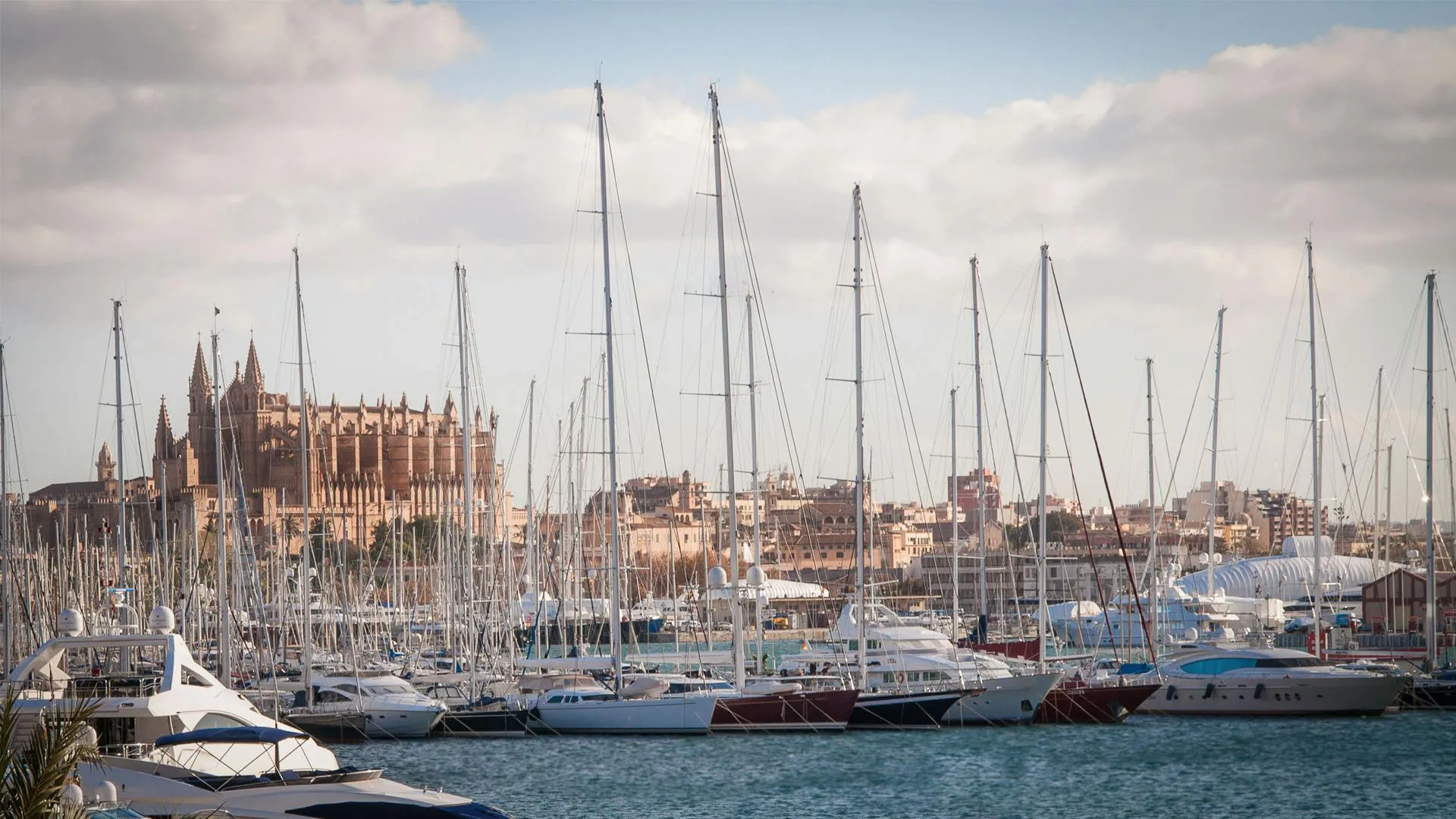
Ultimately, traveling by bus and train in Mallorca teaches you patience. You see the changing architecture, from the Gothic majesty of the Palma Cathedral to the dry-stone walls of the interior. You overhear locals gossiping in Catalan and see the island through the eyes of those who live here year-round. It is a richer, deeper experience than any car rental can provide. So, leave the keys at the desk, grab your bank card, and head to the station. The island is ready to show you its secrets, if you are willing to wait a few minutes for the next connection to arrive at.