
Driving in Mallorca: Essential Tips for Renting a Car
There is a specific kind of silence you only find in the Mallorcan countryside when the engine finally cuts out. It is the sound of cicadas and the faint scent of wild rosemary hanging in the warm air. I often take my dog, Cala, out toward the ruins of Castell d’Alaró, and while the hike is what clears the head, the drive is what sets the mood. Driving in Mallorca is less about getting from point A to point B and more about the freedom to stop whenever a glimmer of turquoise water appears through the pines. Public transport is decent for the main towns, mind you, but to find the soul of this rock, you need four wheels and a bit of local insight.
Selecting teh Right Vehicle for Narrow Lanes
Size is the most important factor when you book your car. The temptation to upgrade to a large SUV for “comfort” is a mistake you will regret the moment you meet a delivery lorry on a hairpin bend in the Serra de Tramuntana. Our ancient village streets were built for donkeys, not modern 4x4s. A compact car is the proper choice here. It makes parking in tight spots easier and takes the stress out of those coastal roads where every centimetre counts. If you are visiting in the height of summer, ensure the air conditioning is in good working order because the heat is unforgiving from midday onwards.
| Rental Category | Estimated Daily Rate (2026) | Best Suited For |
|---|---|---|
| Compact / Economy | €35 – €60 | Couples, narrow mountain passes, easy parking. |
| Electric (EV) | €50 – €85 | Environmentally conscious, Palma ZBE access. |
| Convertible | €90 – €150 | Scenic coastal drives (not recommended in August heat). |
| Family Station Wagon | €70 – €110 | Families with significant luggage heading to resorts. |
The Airport Arrival and Insurance Realities
Most visitors start their journey at Palma de Mallorca Airport (PMI). The car rental hub is located just across from the arrivals hall in the multi-storey car park. You must have a physical credit card in the name of the main driver. Many local companies refuse debit cards or mobile payments for the security deposit, which can range from €800 to €2,000 depending on the vehicle. Having your documentation ready, including a valid driving licence and passport, is neccessary to avoid long queues during the Saturday changeover crush.
Insurance in Spain can be confusing. Basic “Collision Damage Waiver” often has a high excess. I always suggest taking the full insurance (All-in-one) directly from the provider. It is more expensive, but it removes the worry of minor scratches from stone chips on mountain roads or the “door dings” common in crowded public car parks. It also means they won’t hold a massive deposit on your card. For official traffic regulations, you can check the [Official DGT Website] for the latest Spanish road laws.
Navigating Palma: ZBE and ACIRE Zones
The city of Palma has introduced strict rules to keep the historic centre breathable. Now in 2026, the ACIRE zones and the Low Emission Zone (ZBE) cover the area inside the ring road. Most modern rental cars have the required environmental sticker (Label C, Eco, or Zero), but you should confirm this at the desk. Entering the ZBE without a proper label results in a €200 fine. If you want to explore the city without the stress of these zones, a Sightseeing Bus Tour is often a more relaxed alternative.
Then there are the ACIRE zones. These are *Àrea de Circulació Restringida*, meant only for residents. Cameras at the entrance points record every number plate. If your hotel or accomodation is located within one of these zones, you must give your car’s registration number to the reception immediately. They will enter it into the municipal system to grant you a temporary permit. Failing to do this is a guaranteed way to receive a €200 fine in the post a few months later. Driving into these narrow streets is usually who you’re driving with that determines the level of stress, so keep the navigator focused.
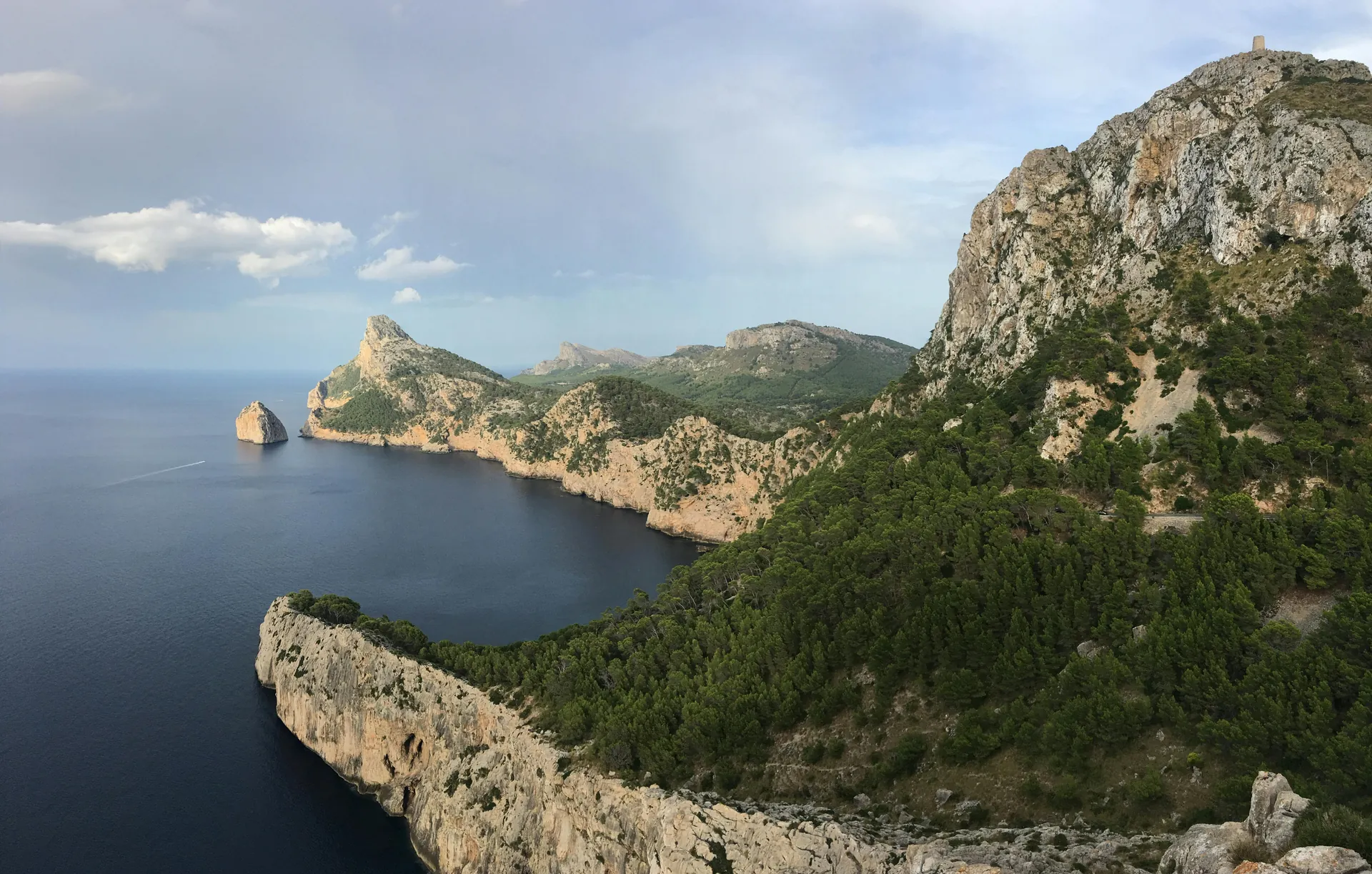
The road to Cap de Formentor (Ma-2210) is closed to private vehicles from 10:00 to 22:00 between 15 May and 15 October. Do not attempt to drive past the barriers; the fines are heavy and strictly enforced by camera.
The Cap de Formentor Restrictions 2026
The lighthouse at Formentor is one of the most iconic spots on the island, but the traffic became unmanageable years ago. In 2026, the restrictions are tighter than ever. If you want to see the sunset from the tip, you must use the shuttle bus (TIB Bus 334) from Port de Pollença. While you can drive as far as the Formentor beach car park before 10:00, the road from the beach to the lighthouse is strictly for buses until 22:00. Once that beach car park is full, the entire road closes to private vehicles. It is much better to plan a visit to the Talaia d’Albercutx earlier in the morning for similar views without the red tape.
Decoding the Roundabouts and Parking Colors
Spanish roundabouts have a logic of their own that baffles many. The golden rule here is that the vehicle in the outer lane has priority. Even if someone is turning left from the outside lane across your path, they are technically in the right. It is safer to stay in the outer lane if you are unsure of your exit. This keeps things simple and prevents the “Palma scrape” that many tourists end up with. Always use your indicators, though you will notice locals are sometimes quite relaxed about their usage.
- Blue Lines (Zona ORA): Paid parking. You must find a machine or use the *mobiAPParc* app. Usually limited to two hours.
- White Lines: These are the holy grail. Free parking with no time limit, though they are rare in Palma and popular coastal spots.
- Yellow Lines: Strictly no parking. Even a quick stop for a photo can result in a tow truck (the *grua*) appearing faster than you would believe.
- Green Lines: These are for residents only. Do not park here unless you have a permit displayed, or you will be fined.
Conquering the Serra de Tramuntana
The Ma-10 is the backbone of the island. It runs from Andratx to Pollença and is arguably one of the finest driving roads in Europe. However, it requires your full attention. You will encounter cyclists, tour buses, and wandering goats (who believe they own the tarmac). The most famous stretch is the descent to Sa Calobra. It features the *Nus de sa Corbata* (Tie Knot), a 270-degree turn where the road passes under itself. If you are heading down to Cala Tuent for a quiet swim with your dog, leave early to beat the buses that arrive around 11:00.
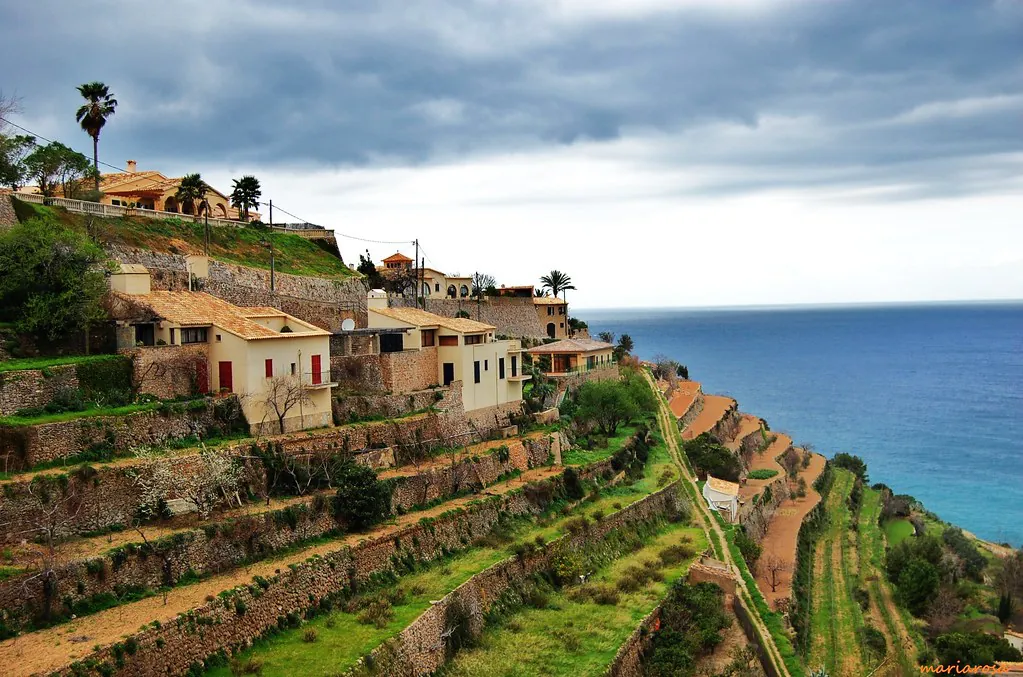
For those who find the mountain driving a bit much, consider staying in a central location like Algaida or Sineu. From there, the roads are flatter and wider, making the journey to places like the Caves of Drach much more straightforward. The island is only about 100km across, so nowhere is truly out of reach if you have a car. Fuel is readily available, and petrol stations (gasolineras) are usually self-service during the day, with staff available to help if you look sufficiently confused.
Fines, Enforcement, and Local Etiquette
Spain uses a lot of unmarked radar cars and fixed speed cameras. The margin for error is small. If you do get a fine, most local authorities offer a 50% discount if you pay within the first 20 days. You can usually do this online via the [Official Palma Government Portal]. If you are stopped by the *Guardia Civil*, remain polite. They are generally helpful but firm. Always carry your rental agreement and a form of ID in the car. It is a legal requirement in Spain to have these on you at all times while driving.
Regarding local etiquette: if someone behind you is flashing their lights on a mountain road, they are likely a local who knows the corners better than you. Find a safe spot to pull over and let them pass. It makes everyone’s day better. We value patience here. Whether you are waiting for a flock of sheep to cross near the Embassament de Cúber or looking for a spot near Cala Pi, take a breath and enjoy the view. That is the Mallorcan way.
Spanish Cooking Experience in Mallorca
Horse Riding in Mallorca on the Beach and Forest
Kayaking and snorkeling in the Mondragó Natural Park in Mallorca
Palma de Mallorca and Valldemossa Excursion from Cruise Port
Deluxe Cruise-Friendly Mallorca and Valldemossa Tour
Driving in Mallorca opens up a world that the bus tours simply cannot reach. From the heights of the Tramuntana to the quiet plains of the Es Pla, the car is your key to the island’s secrets. Just remember to book small, watch the curb colors, and keep an eye out for the cameras in Palma.