Hiking the Serra de Tramuntana: Dry Stone Route (GR221) & Top Day Treks
The Spirit of the Serra: A UNESCO Landscape
The Serra de Tramuntana is not merely a collection of peaks; it is a spine of limestone that gives Mallorca its soul. When I walk these trails with my dog, Cala, I often think about the generations of mountain dwellers who carved a life out of this vertical world. This range is a UNESCO World Heritage site because of the pedra en sec (dry stone) technique. Every terrace, every path, and every snow house was built without mortar, held together by gravity and the immense skill of the margers (stone masons). These are the paths my grandfather walked on.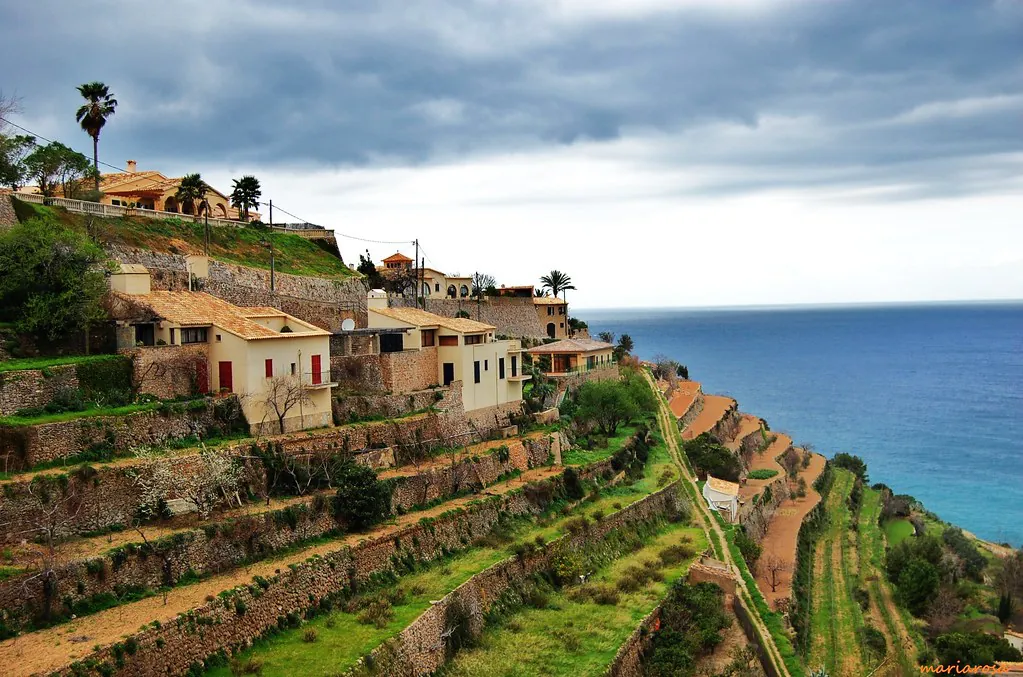
Choosing the Right Season: The Tramuntana Timetable
Spring is arguably the finest time for a beginner to start. From late February to May, the mountains are green and the air is cool enough for a long ascent. The wildflowers are out in force, and the scent of rosemary and pine follows you everywhere. It is a proper sensory experience.
Autumn, specifically October and November, provides a second window of opportunity. The sea is still warm enough for a post-hike dip if your trail ends at a cove like Cala Tuent, and the intense heat of August has finally broken. Avoid the height of summer; the sun is punishing and there is very little shade on the high ridges.
The GR 221 for Beginners: A Stroll, Not a Sprint
The GR 221, known as the Dry Stone Route, is the most famous trail on the island. It stretches 140km from Andratx to Pollença, but you do not need to be an elite athlete to enjoy it. The beauty of this route is its modular nature. You can take a single stage, walk for four hours, and then take a bus back to your base. It is perfectly manageable for anyone with a decent pair of boots and a sense of direction.The Tramuntana is a place where time slows down. Always carry more water than you think you need, as the limestone soaks up rainfall like a sponge, leaving very few natural springs for hikers.
Cúber Reservoir Circuit: High Altitudes, Low Effort

If you want the feeling of being in the high mountains without the lung-busting climbs, the Embassament de Cúber is your best bet. It is a man-made reservoir sitting in the shadow of Puig Major, the highest peak in the Balearics. The circuit around the water is flat and takes about an hour. Cala loves this spot because the air is always a few degrees cooler here. It is a great place to spot the Voltor Negre (Black Vulture), which has its stronghold in these crags.
The Archduke’s Legacy: Valldemossa to Deià
The Camí de s’Arxiduc is perhaps the most stuning trail in the Mediterranean. It was commissioned by Archduke Ludwig Salvator of Austria in the late 19th century. He was a man who fell in love with Mallorca and wanted a bridleway that offered the best possible views of the coastline. The path follows a high ridge between Valldemossa and Deià. The stone walls are a marvel of engineering, clinging to the edge of the cliffs. While it involves a steady climb out of Valldemossa, the path itself is wide and well-made.Essential Logistics and Verified Data
The following facts are verified as of May 2026 for hikers planning their time in teh Serra de Tramuntana.| Service / Location | Detail / Pricing | Access / Contact |
|---|---|---|
| Consell de Mallorca Refugis | €14.00 per night (Dorm bed) | Official Booking Portal |
| Refuge Meals | Breakfast: €5.50 | Dinner: €9.50 | Book 48 hours in advance |
| Bus 203 (Valldemossa/Deià) | Connects Palma to Sóller via the mountains | TIB Official Site |
| Emergency Services | Mountain Rescue / Medical | Dial 112 |
Coastal Terraces: Banyalbufar to Estellencs
This route is a gentle introduction to the agricultural heritage of the island. You walk through thousands of olive trees, some of which are over a thousand years old. The gnarled trunks look like sculptures. The path is part of the GR 221 and connects two of the most beautiful villages on the island. You will pass the Torre del Verger, an old watchtower that once guarded the coast against pirates. It is an easy walk, mostly shaded, and perfect for a lazy Sunday morning.
The TIB Mountain Bus Network: Your Secret Weapon
Parking in the Tramuntana is a nightmare, plain and simple. The villages are small and the roads are narrow. I always tell friends to use the TIB bus system. The red and yellow buses are frequent and reliable. You can park your car in Palma or Sóller and use the bus to reach the start of your trail. The 203 line is excellent for the Valldemossa-Deià-Sóller corridor. It allows you to walk a linear route without having to loop back to your vehicle, which is a massive advantage when you are tired.Navigating Propietat Privada: The Etiquette of the Gate
Much of the Serra is propietat privada (private property). This is a source of confusion for many visitors. In Mallorca, many public rights of way pass through private estates. You will encounter barreres (gates) frequently. The rule is simple: if you find it closed, close it behind you. If you find it open, leave it open. These gates keep livestock from wandering. Always stay on the marked path. Respecting the local farmers is the only way we keep these trails open for everyone.Safety in the Serra: Water, Weather, and Wind
The Tramuntana wind is a powerful force. It can clear the sky in minutes, but it can also bring a sudden drop in temperature. I have seen the thermometer fall ten degrees in half an hour. Even on a sunny day, carry a light windbreaker. Hydration is the other major concern. There are no shops between the villages. You should carry at least two litres of water per person. If you are planning a more structured adventure, you might consider one of the many private tours available that provide expert local guides to lead the way through the more complex sections.Footwear and the Limestone Karst
Do not attempt these trails in flimsy trainers. The limestone karst is incredibly abrasive and can rip a soft sole to pieces in a single afternoon. You need boots with a proper grip and ankle support. The stones are often loose, particularly on the descents, and a twisted ankle in the middle of the mountains is a serious problem. The terrain is a mix of jagged rock and polished stone that becomes incredibly slippery if there is even a hint of moisture in the air.Post-Hike Rituals: The Proper Way to Refuel
After a day on the trails, there is only one way to eat. You find a local bar and order pa amb oli. It is the most traditional Mallorcan meal: rustic bread rubbed with ramallet tomatoes, drizzled with local olive oil, and topped with cheese or sobrassada (cured pork paste). It is simple, honest food that tastes like the mountains. If you are in Valldemossa, you must try the coca de patata, a sweet bun made with potato that is light as air. You can learn more about these delicacies in our guide to traditional Mallorcan foods.
Couple's Choice
🇺🇸
Spanish Cooking Experience in Mallorca
Bestseller
🇺🇸
Horse Riding in Mallorca on the Beach and Forest
Local Favorite
🇺🇸
Kayaking and snorkeling in the Mondragó Natural Park in Mallorca
Best Value
Bestseller
🇺🇸
Palma de Mallorca and Valldemossa Excursion from Cruise Port
Best Value
🇺🇸