
15 Best Calas & Beaches in Mallorca: The Definitive 2026 Guide (Ranked by Water Clarity, Parking & Access)
Mallorca’s 555-kilometer coastline holds more than 260 coves, but its premier swimming waters do not lie along urban hotel sands. They occupy narrow limestone fissures, drowned torrent mouths (barrancs), and ancient coastal quarries known as calas. These geological formations formed when post-glacial Mediterranean waters flooded river canyons incised into the island’s calcarenite marés sandstone.
Their clarity is maintained by expansive submarine meadows of Posidonia oceanica—an endemic Mediterranean seagrass that filters suspended sediments and oxygenates the shelf. Accessing these coves in 2026 requires tactical preparation. Municipal vehicle caps, license-plate recognition gates, strict tow-away zones on rural verges, and active anchor patrols have transformed coastal access. Misreading the morning wind compass can leave you facing police barriers or turbid surf.
The Mallorca Wind Compass (Rosa dels Vents)
Water clarity depends on offshore shelter. Check the morning wind forecast (AEMET or Windy) before driving:
- Tramuntana (North / NW): Churns the northern coast. Avoid Cala Tuent, Sa Calobra, Cala Deià, and Coll Baix. Drive south: Caló des Moro, Cala Llombards, and Cala Pi remain mirror-flat.
- Migjorn & Xaloc (South / SE): Pushes warm swells into southern rias. Drive north: Seek glassy water in Pollença Bay, Cala Murta, or northeast bays.
- Llevant (East): Batters eastern headlands. Avoid Cala Varques and Cala Mesquida. Drive west: Cala d’Egos and western bluffs offer protected lees.
- Ponent (West): Agitates western bluffs; east and southeast coves stay smooth.
Mallorca’s 15 Best Calas: 2026 Comparison Matrix
Key field metrics across Mallorca’s top coves: substrate, physical approach, 2026 peak parking cutoffs (June–September), and optimal wind protection.
| Cala & Region | Substrate | Clarity | Access & Steps | Parking Cutoff & Fee | Best Wind Shelter |
|---|---|---|---|---|---|
| 1. Caló des Moro (Santanyí) | White sand (30m) | A+ (Cyan) | 120 steep rock steps | 08:15 AM (Free lot, 1.2 km walk) | Tramuntana (N), Mestral (NW) |
| 2. Cala S’Almunia (Santanyí) | Rock slabs & ramps | A+ (Cavern pool) | 110 concrete steps | 08:30 AM (Shared lot) | Tramuntana (N), Ponent (W) |
| 3. Cala Pi (Llucmajor) | Golden sand (45m) | A (Emerald ria) | 147 stone cliff steps | 10:00 AM (Free street parking) | Sheltered except Migjorn (S) |
| 4. Cala Llombards (Santanyí) | White sand (55m) | A (Glassy) | Flat boardwalk | 09:30 AM (€6–€10 beach lot) | Tramuntana (N), Mestral (NW) |
| 5. Cala Tuent (Escorca) | Limestone pebbles | A+ (Sapphire) | 3-min dirt path | Rarely fills (Free verges) | Ponent (W), Llebeig (SW) |
| 6. Cala Varques (Manacor) | White sand & caves | A+ (Luminous) | 45-min trek (3.2 km) | 09:00 AM (Verge on MA-4014) | Tramuntana (N), Ponent (W) |
| 7. Cala d’Egos (Andratx) | Coarse gravel | A (Deep blue) | 60–75 min ravine hike | No cutoff (Free dirt trailhead) | Llevant (E), Tramuntana (N) |
| 8. Cala Mesquida (Capdepera) | Dune sand (300m) | B+ to A (Surf) | Raised boardwalks | 10:30 AM (Free municipal lot) | Llebeig (SW), Ponent (W) |
| 9. Sa Calobra / Pareis (Escorca) | River cobbles | A (Cobalt) | 600m path & tunnels | 10:00 AM (€3.50/hr, max €20) | Protected gorge; open to NW |
| 10. Cala Mondragó (Santanyí) | White sand (twin coves) | A (Turquoise) | Flat park paths | 10:30 AM (€6 flat fee lot) | Tramuntana (N), Mestral (NW) |
| 11. Cala Deià (Deià) | Shingle & stone | A (Aquamarine) | Winding road + steps | 09:30 AM (€4/hr metered lot) | Llevant (E), Migjorn (S) |
| 12. Platja des Trenc (Campos) | Dune sand (2 km) | A+ (Shallows) | 5-min flat walk | 10:00 AM (€5–€7 managed lot) | Tramuntana (N), Gregal (NE) |
| 13. Cala Figuera (Pollença) | Grey shingle | A+ (Deep fjord) | 20-min steep trail | Bus Only Jun–Oct (TIB Line 334) | Ponent (W), Llebeig (SW) |
| 14. Cala Murta (Pollença) | Smooth pebbles | A (Emerald) | 25-min walk (1.8 km) | Bus Only Jun–Oct (TIB Line 334) | Sheltered except direct East |
| 15. Coll Baix (Alcúdia) | Dark gravel (220m) | A+ (Sapphire) | 45-min hike & scramble | 10:00 AM (Free refuge clearing) | Ponent (W), Migjorn (S) |
The 15 Best Calas in Mallorca: Detailed Reviews & Logistics
1. Caló des Moro (Santanyí): The High-Tension Turquoise Wedge
Caló des Moro is an incised calcarenite gorge flanked by 20-meter vertical cliffs of honeyed marés sandstone. Its 30-meter pocket of biogenic white sand fronts an electric-blue water conduit that stays glassy under northern winds. The sand bed shrinks dramatically during full-moon tides or southeastern swells, leaving only bare stone ledges.
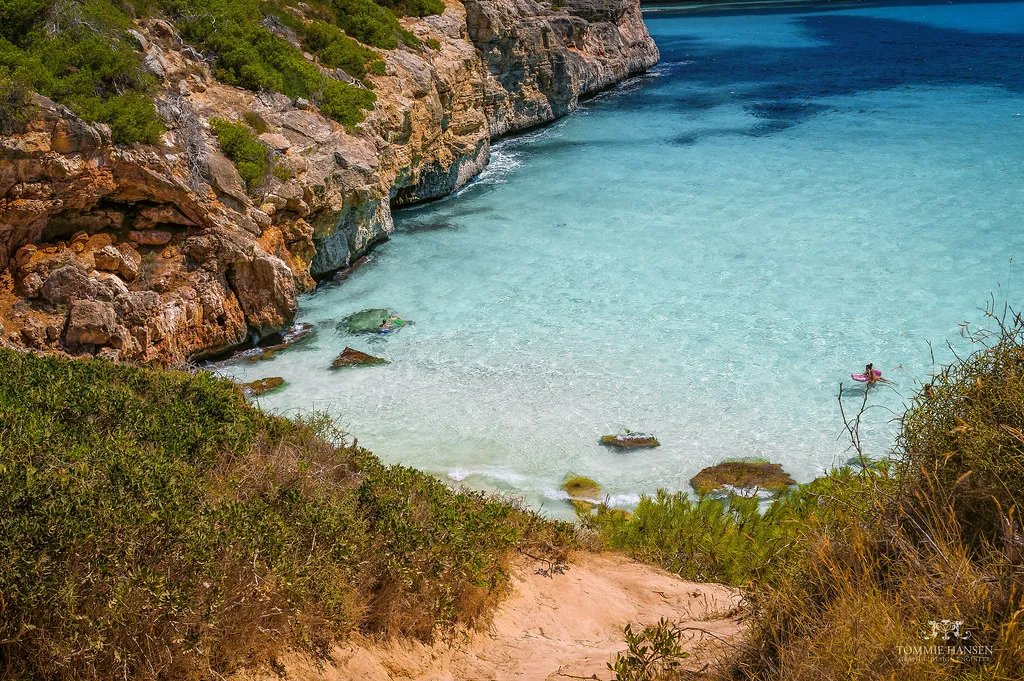
Reaching the water requires navigating 120 steep, uneven steps cut into rock and red dirt, without handrails. Sturdy footwear is essential. By 10:00 AM in peak summer, the sand fills completely with towels, forcing later arrivals onto upper limestone slopes.
- Parking Cutoff: 08:15–08:45 AM (July–August). Arriving past 09:00 AM risks closed gates. Free municipal lot on Camí de Cala Llombards (1.2 km / 15-minute walk).
- Enforcement: Residential streets carry continuous yellow curbs (zona groga). Police issue €200 fines and tow immediately.
- Transit & Services: TIB Bus Line 517 connects Santanyí village with Cala Llombards (18-minute walk). Zero beach services; pack out all waste.
Tactical Advice: If you arrive after 09:00 AM, skip the crowded sand. Swim past the eastern headland into open water, or follow the cliff trail 400 meters south to Cala S’Almunia. For additional quiet alternatives, consult our guide to hidden beaches in Mallorca.
2. Cala S’Almunia (Santanyí): Ancient Fishermen’s Slipways
Situated 400 meters south of Caló des Moro, Cala S’Almunia preserves an authentic fishing haven. Rather than sand, this cove features historic dry-dock boathouses (escars) carved into calcarenite rock, where weathered juniper ramps allow traditional llaüts to be winched out of the sea.
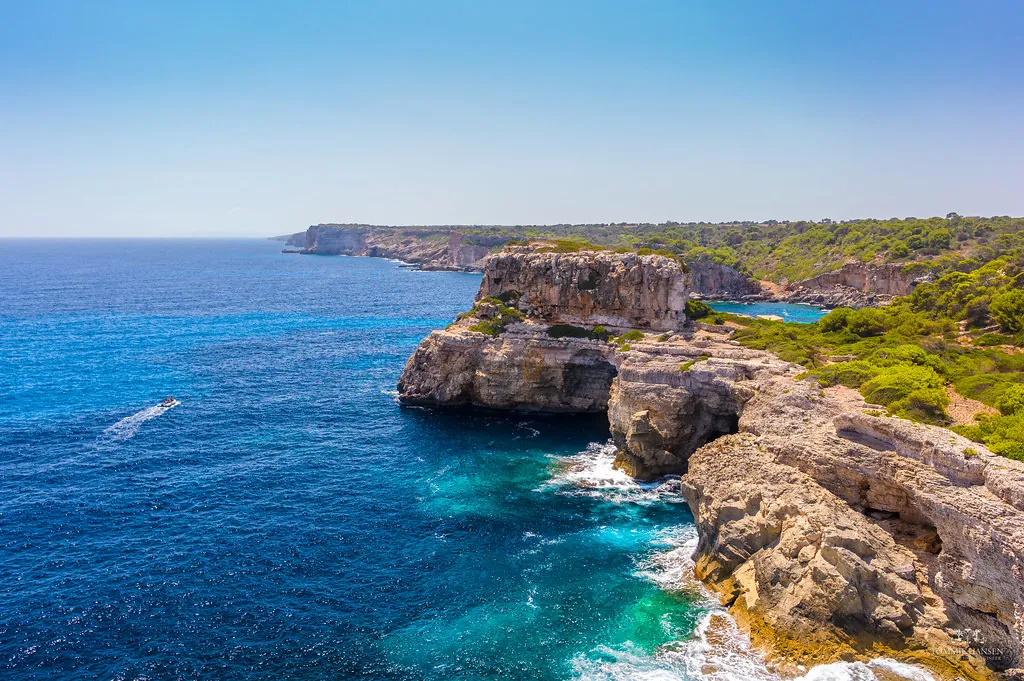
Water enters through a natural stone arch into an emerald pool. Swimmers use the concrete slipways or leap from rock platforms 2 to 5 meters high (always verify depth first). Snorkeling reveals octopuses, painted combers (serrans), and saddled seabream in shadowed rock crevices.
- Access: 110 concrete steps descend from the residential cul-de-sac.
- Shore: Smooth stone terraces and concrete slipways. Bring a padded mat instead of a thin towel.
- Amenities & Parking: None. Wear rock booties (escarpins). Shares the municipal car park with Caló des Moro (cutoff 08:30 AM).
3. Cala Pi (Llucmajor): The Deep Canyon Fjord
Carved by the seasonal Torrent de Pi, Cala Pi is an incised southern ria. The sea penetrates 500 meters inland between 30-meter vertical limestone cliffs topped with pine woods. Its narrow orientation keeps the water calm, creating an emerald basin over fine golden sand.
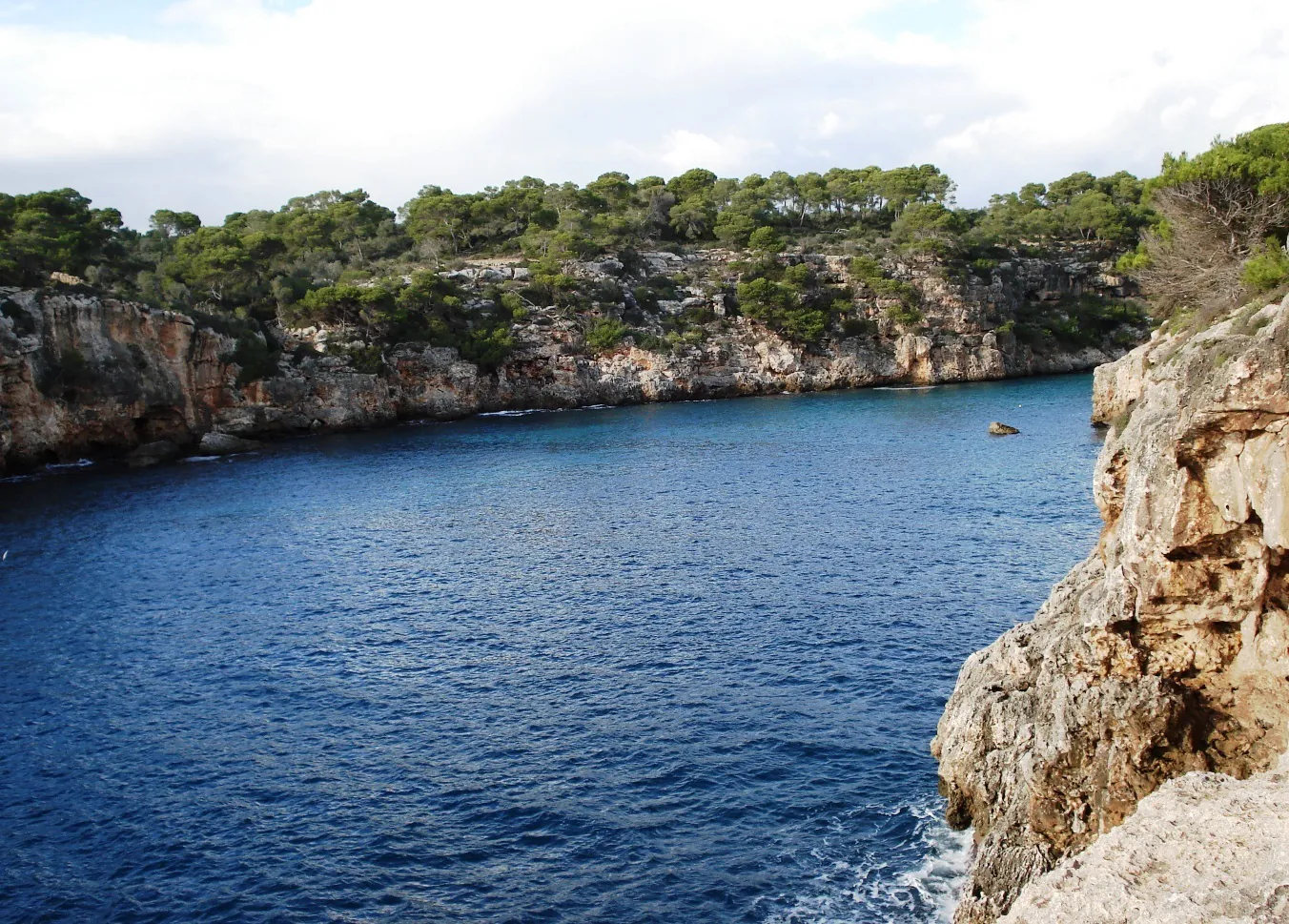
Reaching the sand requires walking down 147 stone steps cut into the southern cliff. At the base, the beach extends 100 meters up the dry riverbed. Swimmers encounter cold freshwater springs (uells d’aigua dolça) bubbling through the canyon floor, creating cool thermocline layers in the sea.
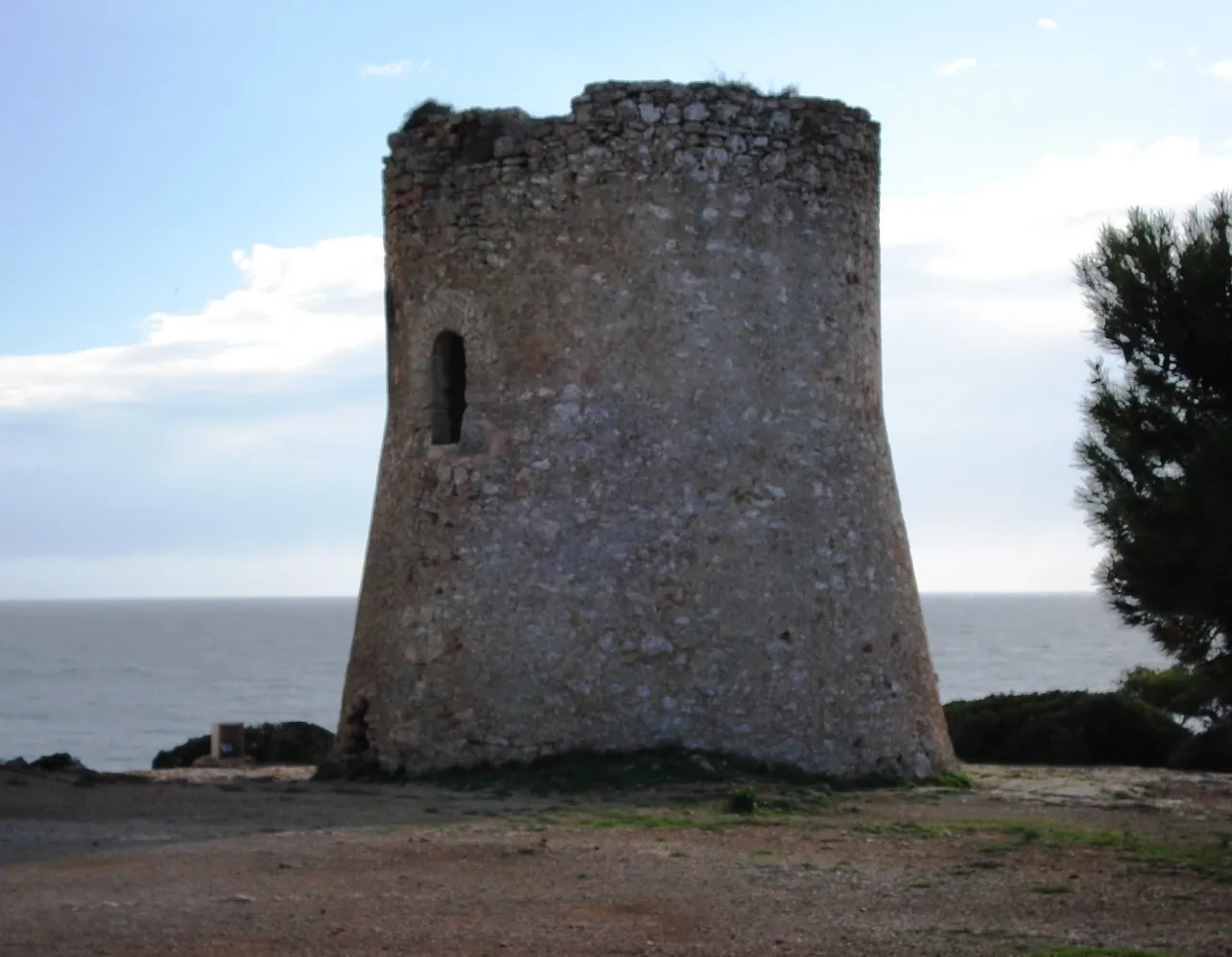
On the western headland perches the Torre de Cala Pi, erected in 1663 to guard against Ottoman and Barbary corsairs. The stone watchtower signaled across the southern coast using smoke and fire beacons.
- Parking: Free street parking on Carrer de la Penya fills by 10:00 AM in summer.
- Transit: TIB Bus Line 519D from Llucmajor. Check details in our Mallorca public transport guide.
- Amenities: Seasonal lifeguards (socorristes), beach kiosk, kayak rentals, and clifftop seafood restaurants.
- Wind: Sheltered from north/west winds; open to southerly (Migjorn) swells.
Safety Note: The western clifftop viewpoint has no barrier rail above the 30-meter drop. Keep clear of the crumbly sandstone edge during gusty winds.
4. Cala Llombards (Santanyí): Sand & Rock Ramparts
Cala Llombards provides limestone scenery with simple access. Located at the mouth of the Torrent de Son Morlà, this broad inlet offers fine white sand shelving into shallow turquoise water, making it well-suited for relaxed swimming.
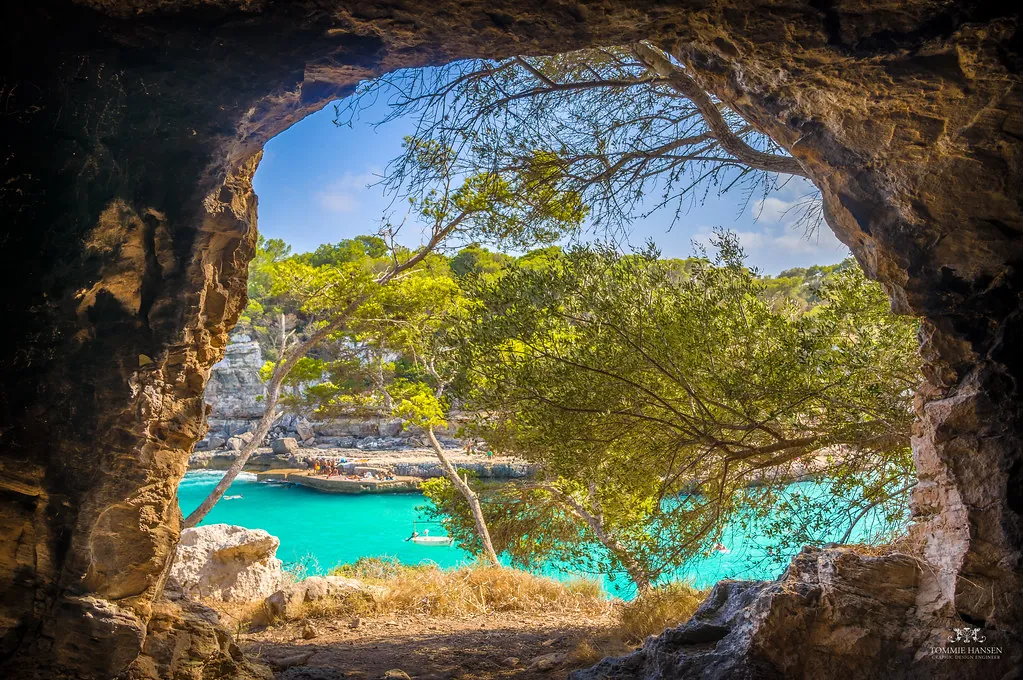
Both margins feature working boathouses built into cliff bases. Swimmers can slip into deep water from these stone ledges to snorkel alongside wrasse, damselfish, and bream. Looking toward the left headland, the natural rock arch of Es Pontàs stands offshore.
- Access & Parking: Level boardwalk directly from the beach lot (€6–€10 daily; fills by 09:30 AM).
- Amenities: Chiringuito Cala Llombards serves grilled fish; sun lounger hires, foot showers, and lifeguards on duty May to October.
- Wind Shield: Protected from north and west winds; vulnerable to direct easterlies.
5. Cala Tuent (Escorca): The Untamed Tramuntana Bastion
While tour coaches clog Sa Calobra, Cala Tuent offers mountain isolation. Positioned beneath the northwest face of Puig Major (1,436m), this 180-meter semicircular bay is flanked by pine forests and olive terraces.
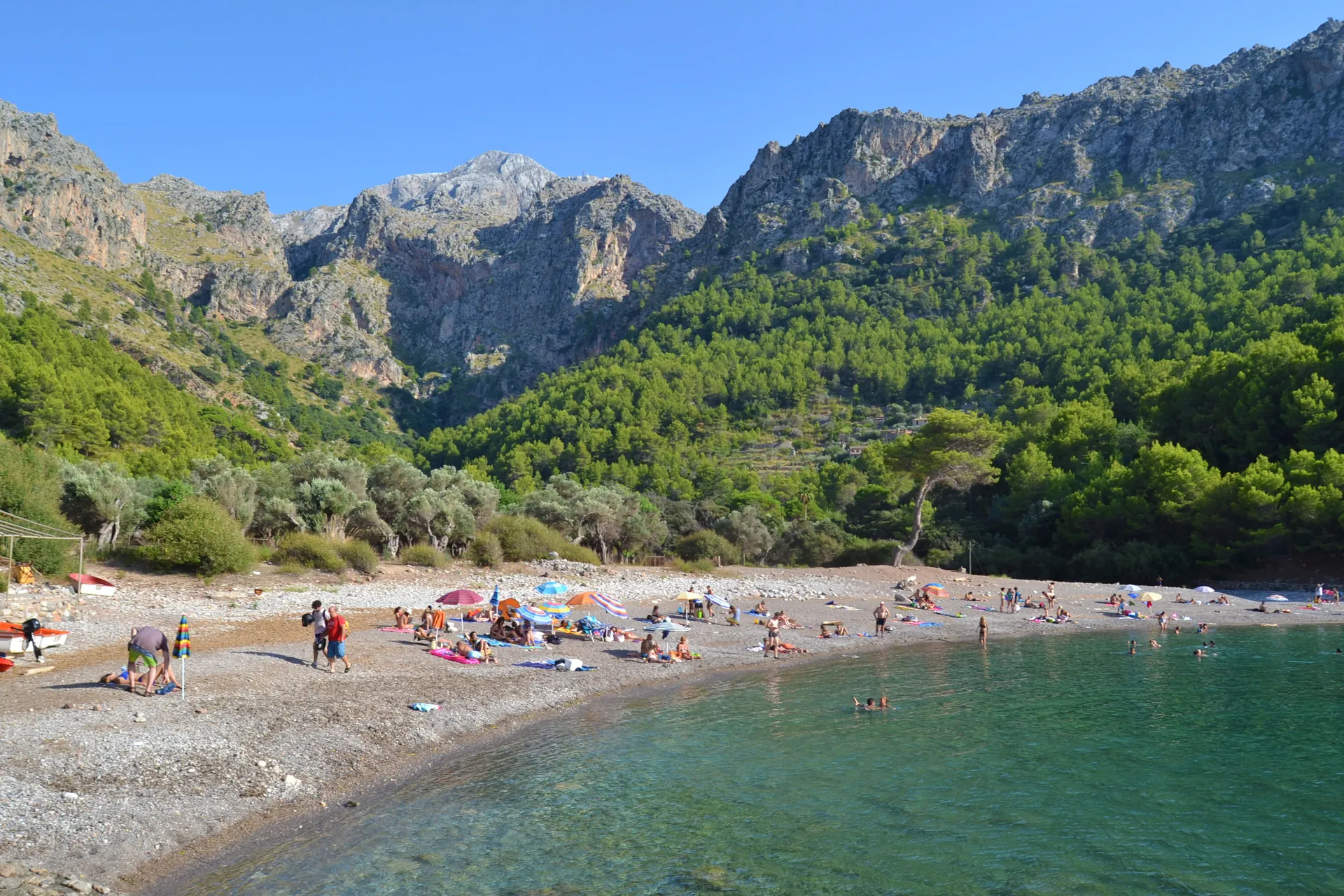
The shore consists of smooth grey limestone pebbles, gravel, and packed sand. The seabed drops quickly into deep sapphire water, with visibility reaching 25 meters on calm mornings. With no resort development, the water remains exceptionally pure.
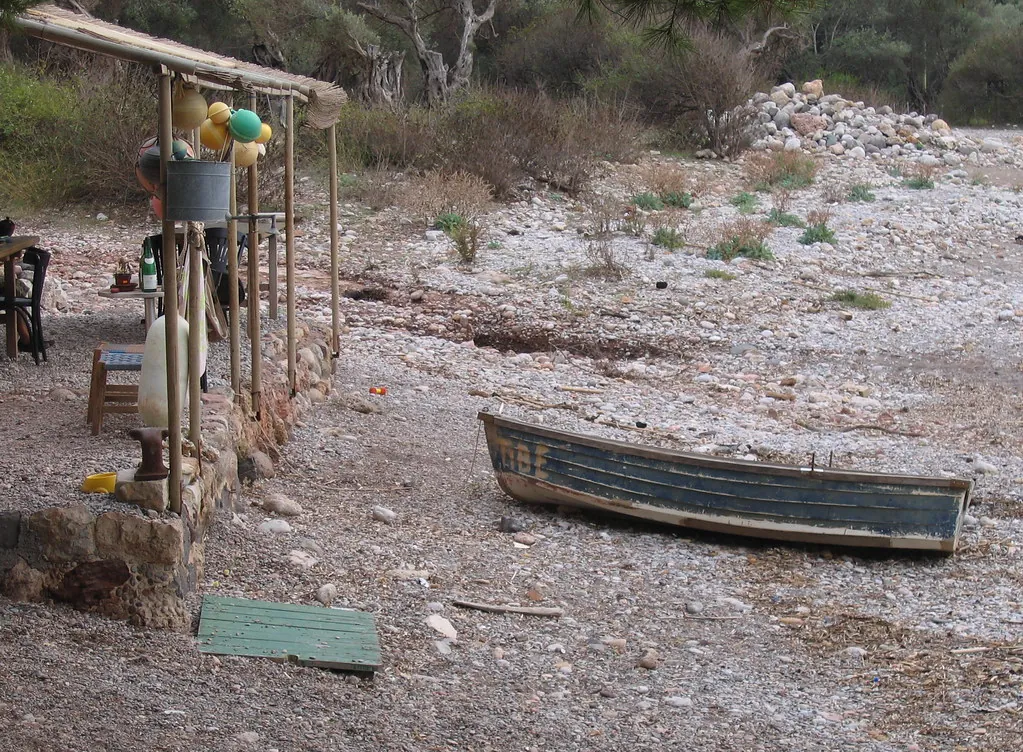
- Access Drive: Requires driving the MA-2141 mountain road via the 270-degree Nus de Sa Corbata loop, then a 5 km single-track spur. Free roadside verge parking near the Ermita de Sant Llorenç.
- Services: None on the beach. No sunbeds, lifeguards, or mobile reception.
- Dining: Restaurant Es Vergeret sits 200 meters uphill on the stone terrace, serving traditional paella and arròs brut. Read more in our guide to traditional Mallorcan foods.
Safety Warning: Do not swim during an active Tramuntana (north/northwest wind). Swells break hard on the pebble shore, creating strong backwash that makes exiting onto slippery stones dangerous.
6. Cala Varques (Manacor): Sea Caves & Karst Arches
Located on the undeveloped coast between Porto Cristo and Cales de Mallorca, Cala Varques is an expansive virgin cove bounded by rosemary garrigue and low pines. It features white sand and luminous cyan water framed by porous limestone headlands honeycombed with caverns.
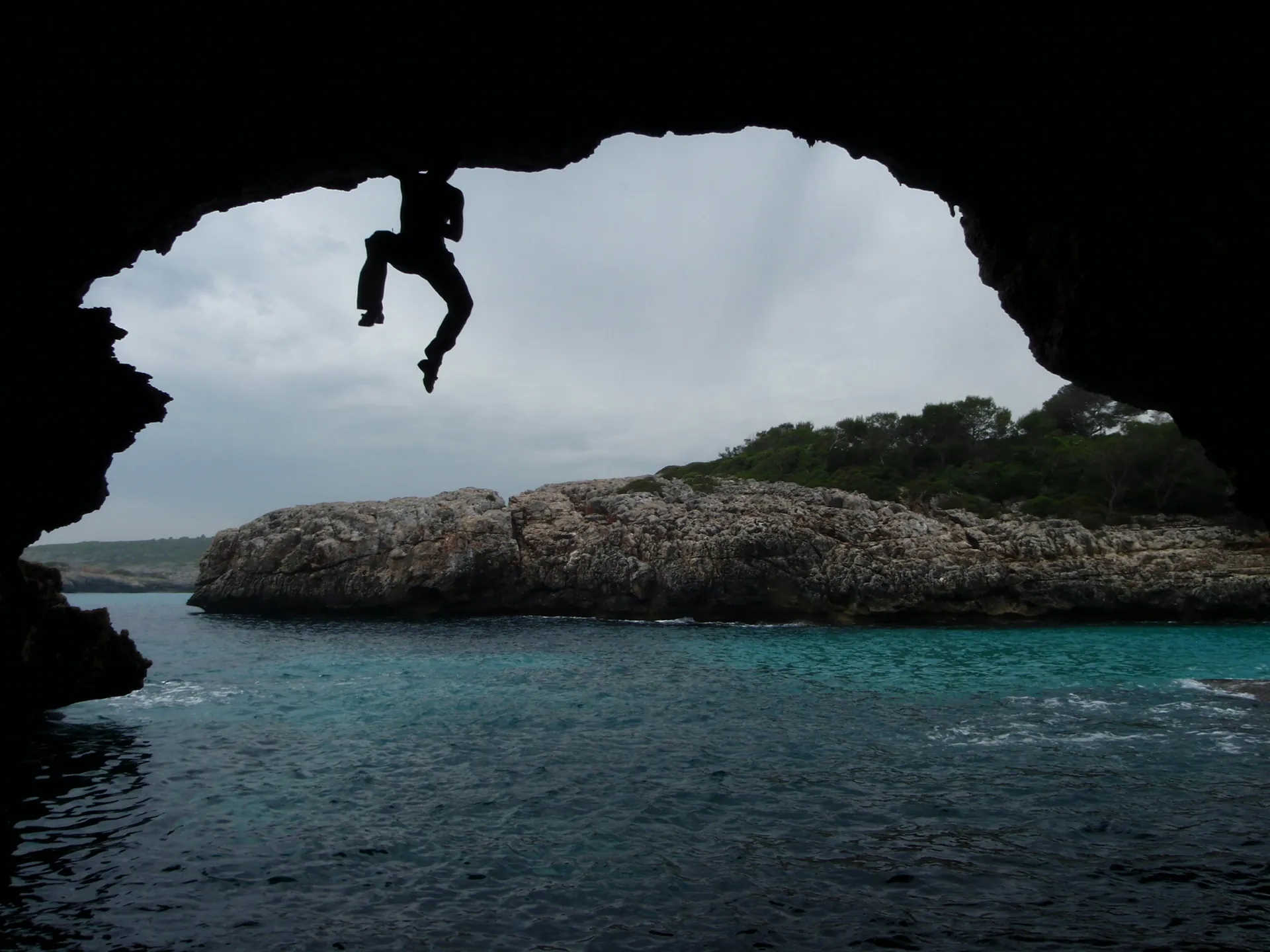
A 15-minute coastal walk south reaches Es Pont Natural—a 15-meter-high stone bridge formed by marine erosion. Snorkelers can explore the mouths of the Cova des Coloms cave system on the northern bluff. Never enter dark submerged chambers without speleological gear and certified guides.
- The Hike: 45-minute (3.2 km) walk over an unpaved gravel track and rocky forest trail from the MA-4014 junction. Wear durable shoes.
- Parking: Park on approved verge sections of the MA-4014 with all tires off the road. Fills by 09:00 AM.
- Regulations & Amenities: Completely wild. Deep-water soloing (psicobloc) and cliff jumping are prohibited. Carry 2.5 liters of water.
7. Cala d’Egos (Andratx): The Southwest Wilderness Ravine
At Mallorca’s southwestern tip between Port d’Andratx and S’Arracó, Cala d’Egos rewards dedicated hikers. Positioned at the mouth of the Barranc de ses Parets ravine, this cove opens onto deep waters facing the protected island of Sa Dragonera.
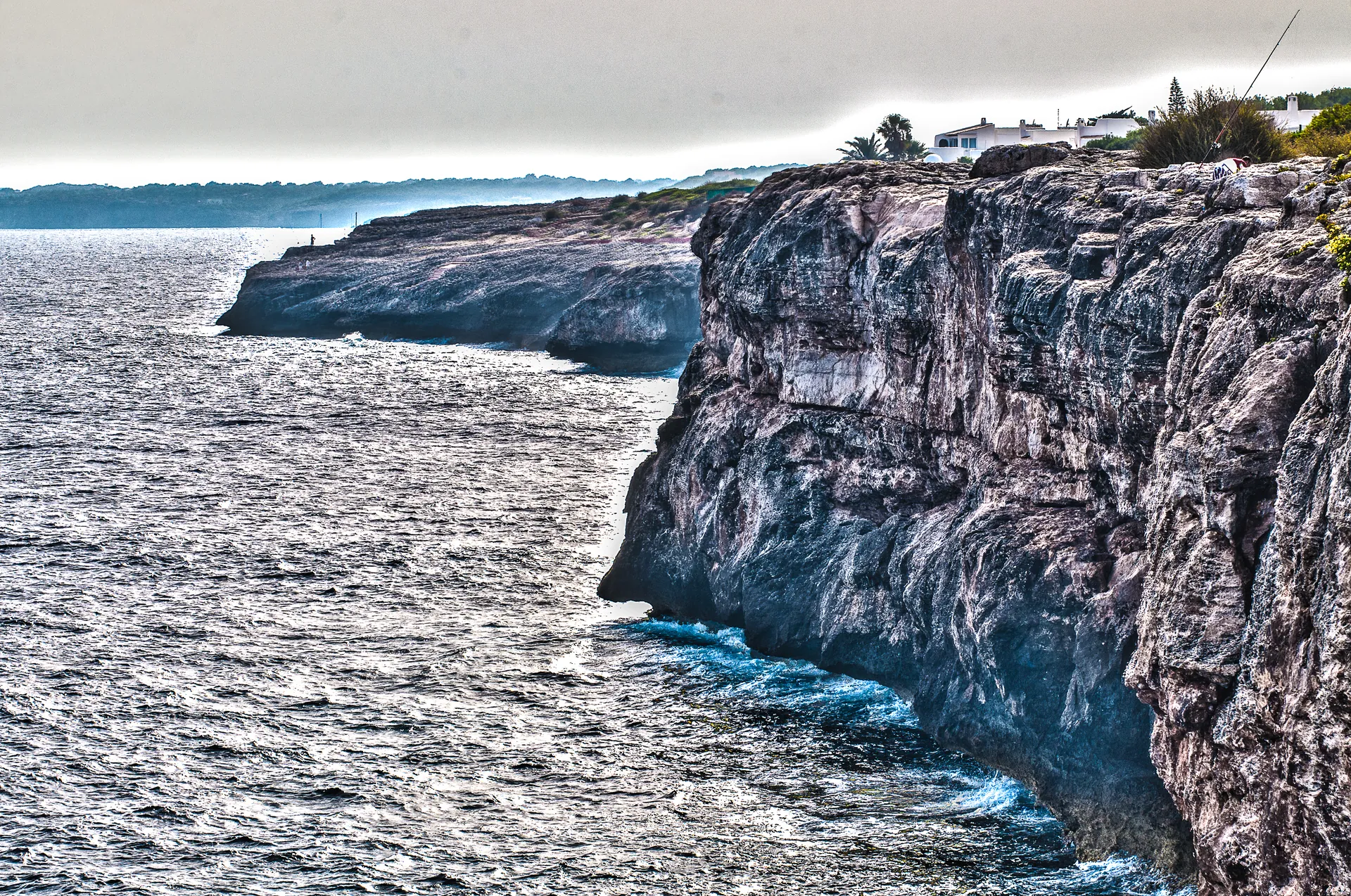
The shore holds coarse grey gravel, smooth sea stones, and driftwood. The water is deep, saline, and transparent, with abundant marine life including saddled seabream, octopus, and wrasse around underwater drop-offs. You will rarely share the cove with more than a few hikers.
- Access Hike: 60 to 75 minutes of downhill trekking over loose scree and rocky switchbacks from the trailhead above Port d’Andratx. The return involves a 250-meter climb. Trail shoes mandatory.
- Facilities: Wilderness area. No shade, fresh water, or mobile reception.
- Wind Exposure: Sheltered from northern and eastern winds; exposed to southwest gales (Llebeig).
8. Cala Mesquida & The Artà Coast: Dunes & Untamed Surf
At Mallorca’s northeastern tip, the coast faces open winds from Menorca. Cala Mesquida is centered on a vast protected dune system—the Dunes de Cala Mesquida (ANEI). Elevated wooden boardwalks protect sea daffodil (Pancratium maritimum) roots while leading visitors to a 300-meter golden sand shoreline.
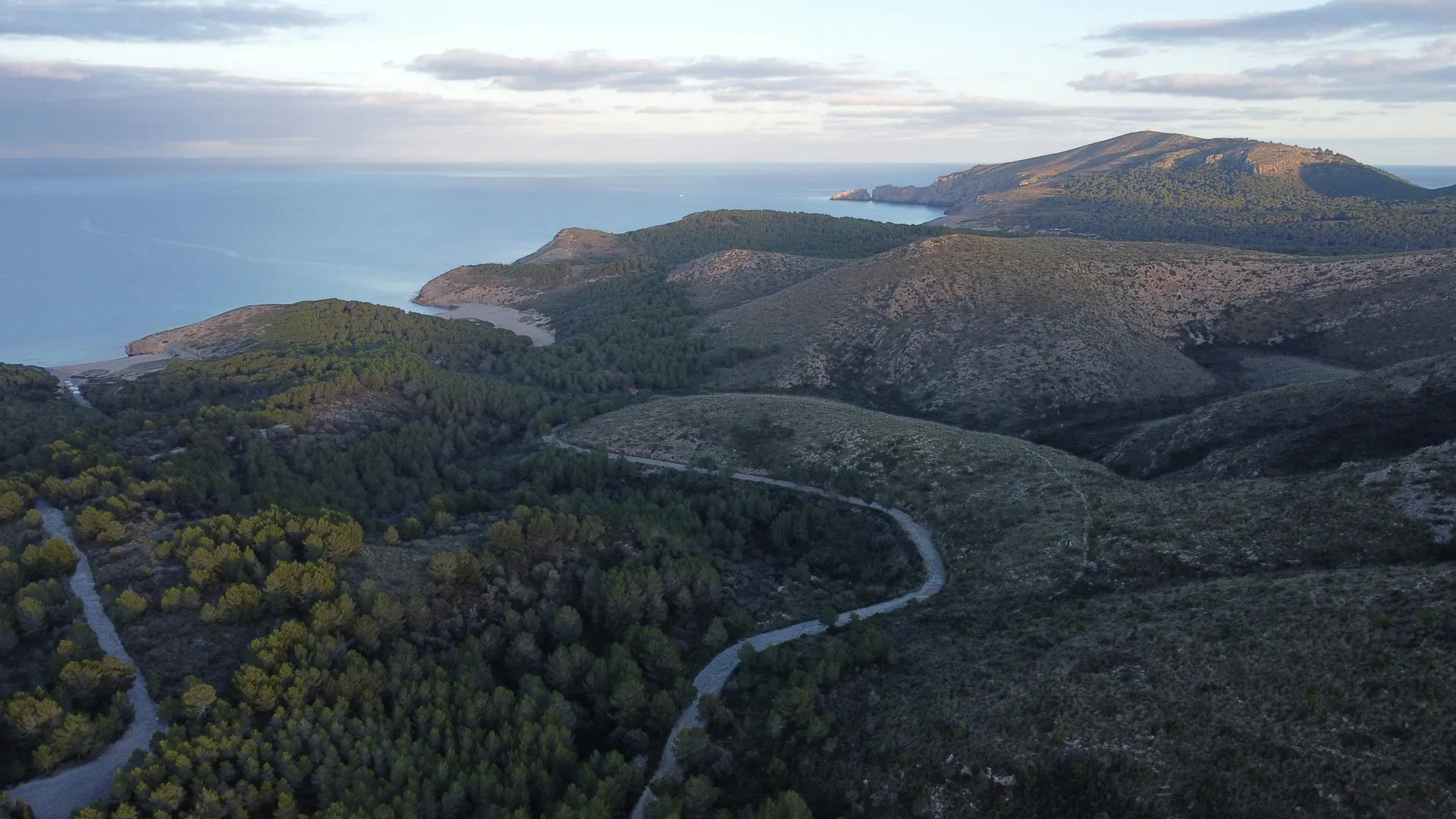
Unlike sheltered southern coves, Cala Mesquida features active surf and rolling cyan waves. During north winds, a strong rip current (ressaca) forms near the southern headland; watch lifeguard flags. Coastal paths lead west into the wild Parc Natural de la Península de Llevant, connecting to Cala Moltó, Cala Torta, and Cala Mitjana.
- Parking & Transit: Free lot 150m behind dunes (fills by 10:30 AM). TIB Bus Line 424 runs seasonally from Capdepera and Cala Rajada.
- Amenities: Lifeguards, sunbed rentals, beach kiosk, restrooms, and pedal-boat hires.
- Conditions: Calmest under south/southwest winds; turns into an active surf zone under northern winds.
9. Sa Calobra & Torrent de Pareis (Escorca): The Karst Chasm
Sa Calobra marks the coastal outlet of the Torrent de Pareis, where 200-meter vertical limestone cliffs split open to the sea. From the parking area at the port hamlet of Sa Calobra, visitors follow a paved cliff walkway through narrow, illuminated pedestrian tunnels to arrive at the gravel river mouth.
The beach is a crescent of grey pebbles between colossal rock walls plunging into deep cobalt water. Swimming through the canyon opening reveals steep submarine drop-offs. Arrive before 09:30 AM or after 5:30 PM to avoid crowds from excursion boats.
- Logistics: Drive the winding MA-2141 road early, or take passenger ferries from Port de Sóller (50 min). Regulated parking (€3.50/hr, max €20/day).
- Torrent Warning: Flash floods happen after mountain storms. Never enter the canyon if rain is forecast in the Tramuntana range.
10. Parc Natural de Mondragó: Twin Protected Coves (Santanyí)
Designated a Natural Park in 1992, Mondragó protects 766 hectares of wetlands, pine forests, and stone walls, alongside two connected white-sand coves: Cala Mondragó (Ses Fonts de n’Alis) and Platja de S’Amarador.
Both coves offer fine white sand and gentle turquoise shallows. A paved rocky path connects the two bays in eight minutes. Behind S’Amarador, a brackish lagoon fed by the Torrent d’en Roig shelters native turtles, egrets, and grey herons.
- Access & Transit: Two managed car parks (€6 flat daily fee; fills by 10:30 AM). TIB Bus Line 517 connects Santanyí directly to Ses Fonts de n’Alis.
- Amenities: Lifeguards, wooden chiringuitos, restrooms, sun loungers, and marked walking paths through the pine forest. Protected from north/west winds.
11. Cala Deià (Deià): Shingle & Rustic Seafood
Resting below the Tramuntana village of Deià, this intimate shingle cove combines mountain scenery with traditional fishing structures. The shore features rounded pebbles, gravel, and flat rocks bordered by historic stone boathouses. The water is clear, exposing submerged rock ledges and boulder fields suited for snorkeling.
Perched above the breaking swell sits Ca’s Patró March, a rustic seafood restaurant built with timber beams and thatch. Dining on grilled Sóller red prawns (gambes de Sóller) and fresh fish above the sea is an island tradition; advance reservations are essential during summer.
- Access: Metered car park (€4/hr, strict capacity barrier) or 35-minute walk down from Deià village via the Son Beltran olive terraces. TIB Bus Line 203 stops in Deià.
- Footwear & Winds: Wear water shoes for stony footing. Sheltered from south/east winds; churned by northern Tramuntana swells.
12. Platja des Trenc (Campos): The Wild Dune Horizon
Es Trenc is Mallorca’s premier undeveloped open beach. Extending more than two kilometers between Sa Ràpita and Colònia de Sant Jordi, this flat shoreline features biogenic white sand pulverized from sea shells, giving the shallow water a luminous pale turquoise color.
Coastal dunes anchored by sea oats separate the beach from the historic salt wetlands of Salines d’Es Trenc, where mineral-rich Flor de Sal has been harvested since antiquity. Offshore Posidonia meadows oxygenate the bay, maintaining mirror-like water during calm offshore breezes.
- Parking & Transit: Managed lots at Ses Arenes and Sa Barqueta (€5–€7 daily). TIB Bus Line 515 links Campos with Ses Covetes.
- Amenities: Lifeguards, modest kiosks, and sun lounger zones; wide central sections remain wild and naturist-friendly. Best under light northerly breezes.
13. Cala Figuera (Cap de Formentor / Pollença): Northern Solitude
Not to be confused with the historic fishing port of the same name in Santanyí, this Cala Figuera is an isolated fjord on the Formentor peninsula. Encased by towering limestone walls dropping straight into the sea, the cove offers deep cobalt waters away from resort development.
The shoreline consists of grey shingle, boulders, and wind-worn rock platforms where wild mountain goats roam. Snorkeling along the outer cliffs provides clear views into submarine drop-offs frequented by pelagic fish and octopuses.
- 2026 Vehicle Restriction: Private cars banned June 1 to October 31 (10:00–22:00) without permit. Ride TIB Shuttle Bus Line 334 from Port de Pollença to KM 13.
- Access: Steep 20-minute switchback descent (30-minute return climb). No amenities; carry water and sun protection. Sheltered from west/south winds.
14. Cala Murta (Cap de Formentor / Pollença): The Emerald Oak Valley
Positioned on the sheltered southern flank of the Formentor peninsula, Cala Murta sits at the foot of a valley forested with holm oaks, Aleppo pines, and myrtle shrubs that shade the approach trail.
The beach is a 60-meter crescent of smooth river stones and rock platforms. Enclosed by steep headlands, the water remains calm, displaying deep emerald tones reflecting the wooded hillsides above. Semi-wild donkeys often graze quietly near the tree line.
- Access & Transit: Paved 1.8 km walk through oak woods from MA-2210 bus stop (25 min). Accessible via TIB Bus Line 334 from Port de Pollença.
- Services: Shaded picnic tables behind beach; bring water shoes. Protected from almost all winds except direct easterlies.
15. Platja des Coll Baix (Alcúdia): The Fortress Cliff Scramble
Platja des Coll Baix is a striking wild beach situated on the Cap des Pinar peninsula east of Alcúdia. The cove is encircled by 200-meter sheer cliffs of dark grey and ochre limestone. Its dark gravel and pebble shore makes the water appear an intense sapphire blue.
Reaching Coll Baix demands physical effort. The trail departs from the Coll Baix mountain refuge clearing (reached via a rough 3 km dirt road from Alcúdia). Walkers descend through pine forest for 30 minutes before reaching coastal rock shelves, where the path traverses narrow ledges above the sea. Metal chains are bolted into exposed stone sections for support.
- Difficulty: Strenuous. Final 15 minutes requires scrambling over boulders; hiking shoes mandatory. Virgin beach with zero facilities.
- Conditions & Boat: Rapid drop-off into deep water. Excursion boats from Port d’Alcúdia offer access without the hike. Visit during light south/west winds.
Experiencing the Coastline: Guided Sea Kayaking, Boat Charters & Coastal Walking Tours
While hiking down rocky trails offers one view of Mallorca’s coves, navigating the limestone coast by water reveals hidden karst geology. Guided sea kayaking tours operating from Portocolom, Port de Sóller, and Sant Elm access sea caverns including the Cova des Coloms and Cova de Na Mitjana, where sunlight filtering through submerged arches creates luminous cyan reflections.
For greater cruising range, chartering a traditional wooden llaüt—the classic Balearic motorboat—allows quiet exploration along the marine reserves of Mondragó or Cap de Formentor. Slow-cruising llaüts can moor safely in designated sand patches without disturbing sensitive Posidonia meadows.
To understand the history behind these coastal fortifications and fishing outposts, pair your beach explorations with guided urban walks. Mallorca’s maritime defense system—from coastal watchtowers against Barbary corsairs to maritime trade guilds—was governed from the capital. Taking free walking tours through Palma’s historic center provides essential context on the maritime ramparts and Gothic architecture that shaped the island. Read our comprehensive guide on things to do in Palma de Mallorca to discover landmarks including Palma Cathedral (La Seu) and the historic fortress of Bellver Castle.
The 2026 Balearic Beach Etiquette & Survival Guide
Posidonia Oceanica Conservation: Fines up to €30,000
Posidonia oceanica is not seaweed; it is a slow-growing marine plant that expands just one to two centimeters annually. Dropping an anchor into Posidonia rips up rhizome root structures that required centuries to develop. Under Balearic Decree 25/2018, surveillance boats from IBANAT patrol coves daily. Dropping anchor onto seagrass carries administrative fines from €100 to €30,000. Anchor exclusively on light-colored sand patches or book eco-buoys ahead of time through portsib.es.
Understanding Dead Seagrass Berms (Alguers)
At wild shores like Es Trenc or Cala S’Almunia, visitors often encounter dark brown banks of fibrous material piled at the water’s edge. This is not debris; it is alguers—accumulated dry leaves of Posidonia oceanica deposited by winter swells. These berms absorb wave shock, protecting sand dunes from winter storm erosion. In protected parks, law prohibits mechanical clearing of these natural barriers. Step past them into the clear water beyond.
Parking Rules: Yellow Curbs & Municipal Towing
Town halls across Santanyí, Andratx, and Capdepera strictly penalize illegal verge parking. Pay close attention to curb lines:
- Solid Yellow Line (Zona Groga): Absolute no-parking zone 24 hours a day. Vehicles parked here receive a €200 fine and prompt towing by the grua municipal (€120–€180 impound release fee).
- White Lines: Free parking, provided your car does not impede roadway clearance or emergency lanes.
- Blue Lines (Zona ORA): Regulated pay-and-display parking. Buy a ticket from the street meter or via municipal parking apps and display it on the dashboard.
Essential Gear for Wild Calas
- Rock Booties (Escarpins): Necessary for Cala S’Almunia, Cala Deià, Cala d’Egos, and Cala Tuent to avoid cuts from sharp rocks and black sea urchins (Echinometra lucunter).
- Hydration: Remote calas lack drinking water and beach kiosks. Carry at least 2.5 liters of water per person in insulated flasks. Heat exhaustion during the return hike is a primary cause of emergency calls.
- Snorkel Mask & Dry Bag: High-salinity Mediterranean water irritates eyes; a quality mask is essential. A 15–20L dry bag keeps valuables safe during boat transfers and rock scrambles.
- Leave No Trace: Bring a sturdy trash bag. Remote coves have no waste collection. Pack out every scrap of food and packaging.
Experiencing Mallorca’s Coastline: Guided Sea Kayaking, Boat Charters & Coastal Walking Tours
While hiking the dry cliff trails to remote coves gives you panoramic views from above, experiencing Mallorca’s dramatic sea cliffs, hidden marine caverns, and offshore reefs requires getting onto the water or joining specialized coastal walking explorations.
Guided Sea Kayaking & Cave Snorkeling
For coves with sea-cave entrances like Cala Varques and the cliffs between Cala Santanyí and Cala S’Almunia, guided sit-on-top sea kayak expeditions are the safest and most rewarding way to explore. Local guides provide marine safety gear, lead paddlers through cathedral-like sea arches (such as the iconic Es Pontàs natural rock bridge), and anchor in glassy shallows over Posidonia meadows that cannot be reached easily on foot.
Traditional Llaüt Charters & Catamaran Cruises
To access protected virgin coves like Cala Tuent and the sea caves of Manacor without navigating switchback mountain passes or packed morning car parks, coastal boat excursions depart daily from Puerto de Sóller, Cala Ratjada, and Colonia de Sant Jordi. Sailing aboard a restored wooden llaüt (traditional Balearic fishing boat) provides sun-shaded decks, fresh local paella, and swim stops in 5-meter deep azure water.
Coastal Cliff Walks & Free Walking Tours
Pairing your beach days with cultural discovery adds invaluable context to your island journey. Before heading out to coastal trails, join an insightful walking tour in the capital: discover historic courtyards, maritime guilds, and royal ramparts on our recommended free walking tours in Mallorca. For those based in Palma, consult our comprehensive guide to things to do in Palma de Mallorca to coordinate morning cultural walks with afternoon dips at nearby coves like Illetes or Cala Blava.
Camí de Cavalls & Coastal Path Etiquette
Many remote calas—including Cala Pi and the trail toward Cala d’Egos—cross protected private estates (fincas rústicas) via public right-of-way servitudes. When walking coastal paths, always close wooden gates (barreres) behind you to prevent livestock from escaping, stay strictly on designated footpaths to prevent cliff edge erosion, and carry all waste out in your rucksack. For off-the-beaten-track coastal hiking inspiration, explore our dedicated guide to hidden calas and secret beaches in Mallorca.
Frequently Asked Questions: Best Calas in Mallorca
Which cala in Mallorca has the clearest water?
Caló des Moro, Cala S’Almunia, and Cala Varques tie for the clearest water on Mallorca, with underwater visibility reaching 25 to 30 meters on calm days. Their clarity is sustained by solid calcarenite bedrock, zero river sediment runoff, and extensive offshore meadows of Posidonia oceanica seagrass filtering coastal waters.
How early do I need to arrive to park at Caló des Moro?
During peak summer (mid-June through September), arrive at the municipal parking lot on Camí de Cala Llombards by 08:15 to 08:45 AM. By 09:15 AM, the authorized lot is usually full, and marshals turn cars away. Parking on residential roads carries strict €200 fines and towing.
Can you reach Mallorca’s best calas using public transport?
Yes. Several premier coves connect directly to the regional TIB bus network. Cala Mondragó and Cala Llombards connect via TIB Line 517 from Santanyí. Cala Pi is served by Line 519D from Llucmajor. Formentor coves (Cala Figuera, Cala Murta) are accessed via Shuttle Line 334 from Port de Pollença. Paying with a contactless bank card on TIB buses provides automated multi-rider discounts.
What should I do if a beach is covered in brown seaweed?
The brown fibrous mats are alguers—accumulated leaves of protected Posidonia oceanica seagrass. They are clean, odorless, and ecologically vital for preventing winter coastal erosion. Do not avoid the beach; simply walk past the shoreline berm into the transparent sea beyond.
Are there entrance fees for Mallorca’s beaches and calas?
No. Under Spanish coastal law (Ley de Costas), all beaches and marine shorelines in Spain are free public space. However, certain municipal or nature reserve parking lots charge daily management fees (€5 to €10 at Cala Mondragó, Cala Llombards, Sa Calobra, and Es Trenc).
Is cliff jumping permitted at Cala Varques and Cala S’Almunia?
Cliff jumping is prohibited by local authorities at Cala Varques due to hidden underwater rocks and past fatal accidents. At Cala S’Almunia, low jumps from established platforms (2 to 4 meters) are common, but swimmers must carefully verify water depth before jumping.
One Comment