
The Soul of the Alcúdia Peninsula
The air up here smells of sea salt and crushed pine needles. We are standing 150 metres above the Mediterranean, far removed from the mass tourism of the southern resorts. My dog, Cala, tugs at her lead, eager to trace the scent of wild mountain goats across the scrubland. This is Ermita de la Victòria. It is a quiet, fortified sanctuary overlooking teh Bay of Pollença, and it represents a completely different rhythm of island life. Many visitors ask which part of Mallorca is the nicest. For those of us who grew up exploring these rugged coastlines, the northern peninsulas hold a special weight. The Cap des Pinar area has an untamed quality. You look out over the water and see the Serra de Tramuntana rising in the distance, and on clear days, the faint outline of Menorca breaks the horizon.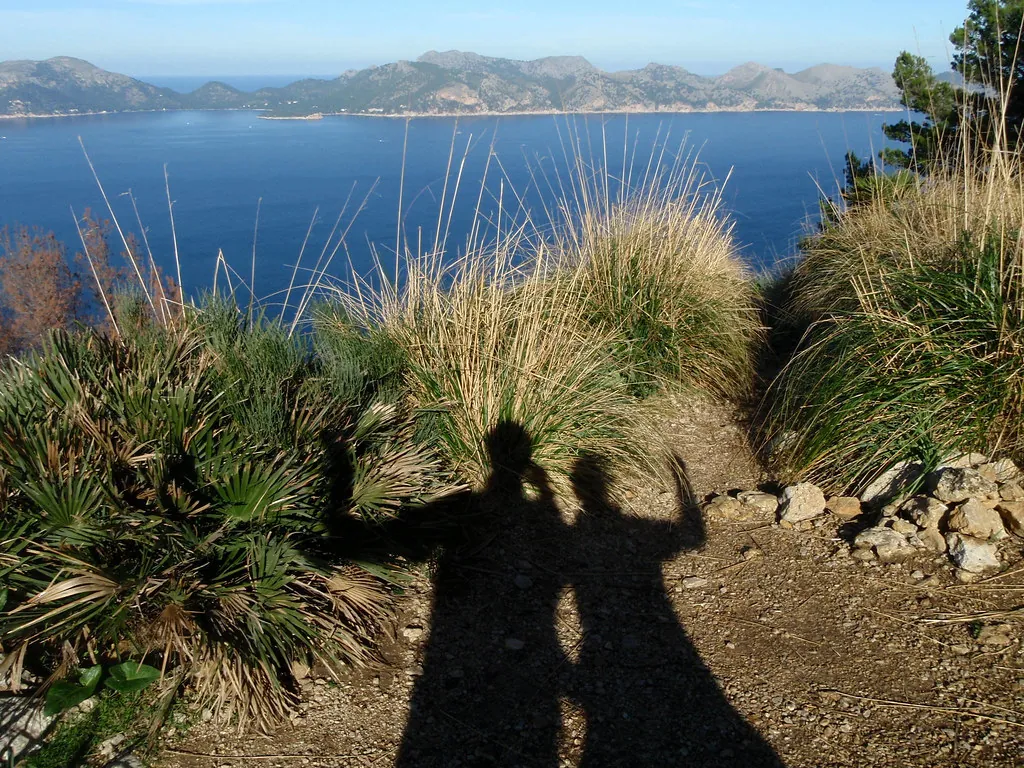
A Journey Through Time
The origins of this site stretch back to the 13th century. It began as a fortified watchpoint, integrated into a coastal defence network designed to spot pirate raids before they could strike the inland villages. The men stationed here lived harsh, isolated lives. Over the centuries, the military outpost evolved into a religious sanctuary. The chapel you walk into today is a fascinating architectural mix. It has a single central nave supported by barrel vaults, flanked by three side chapels. The interior shows strong 17th and 18th-century Baroque influences. The structure was heavily modified over the centuries, resulting in the current Baroque reconstruction completed in 1697.Behind the altar sits the revered Virgin of Victory. This 15th-century Gothic polychrome wooden statue is a vital piece of local heritage. Historical records from the official Alcúdia tourist board confirm that Emperor Charles V climbed this very hill to pay his respects to the Virgin before launching his famous Tunis campaign.“You can still see the thick, defensive lower walls of the original structure. They built this place to survive sieges, not just storms.”
Mateo Valero
Sleeping and Dining in the Clouds
Petit Hotel Hostatgeria La Victoria
Occupying the two upper floors directly above the church is a small, rustic hotel. It has 13 simple rooms. Do not expect luxury spa treatments here; you get clean beds, ceiling fans, and a deep, absolute silence at night. It is a brilliant option if you are trying to figure out if Mallorca is cheap or expensive. A night in this former monastery accomodation costs a fraction of a standard beachfront hotel room, and it comes with free WiFi in the public areas.Mirador de la Victoria
Just steps from the chapel, this family-run restaurant has a tiered terrace that looks straight down into the bay. If you want to know what food Mallorca is known for, this is the place to find out. They serve proper, heavy traditional Mallorcan foods. Order the tumbet (a rich vegetable bake) or meats roasted with local herbs. It gets incredibly busy in July, so booking ahead via their official website is a smart move.The Cyclist’s Challenge: Camí Vell de la Victòria
Mallorca is famous among the European cycling community, and the road leading up to the hermitage is a local favourite. The Camí Vell de la Victòria is a short but punishing 2.1-kilometre asphalt climb. It has an average gradient of 6.7%, though a few hairpin bends spike much higher. I regularly see professionals and enthusiastic amateurs alike grinding their way up this narrow strip of tarmac early in the morning. Mind you, the descent requires full concentration. The road is tight, and you share it with rental cars and roaming goats. If you are reliant on buses, you should read our Mallorca public transport guide, as the TIB network only takes you as far as the coastal towns below. You must walk or cycle the rest of the way up.Hiking the Cap des Pinar Trails
The hermitage is the starting point for some of the best walking routes on the island. The most popular is the hike to Talaia d’Alcúdia. This is a 10.2-kilometre round trip that takes you to the highest peak on the peninsula.- The Ascent: The trail climbs through dense pine groves before opening out onto exposed, rocky ridges.
- The Summit: At the top, you find the ruins of a 16th-century watchtower. The wind up here is fierce.
- The Views: You get an uninterrupted 360-degree sightline of the Bay of Alcúdia and the sprawling northern coastline.
Flora, Fauna, and Hidden Coves
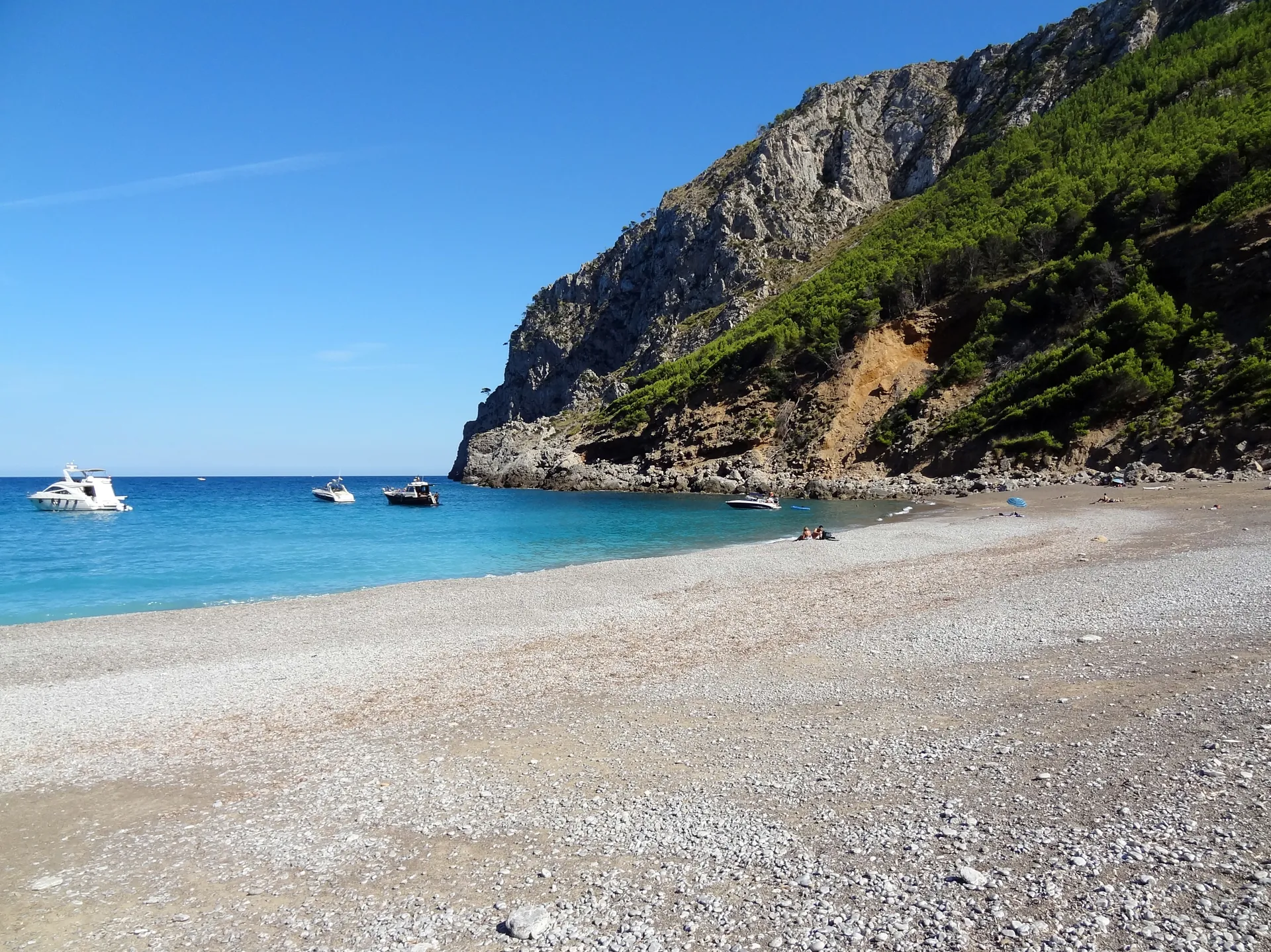
The Balearic Government environmental portal classifies the Cap des Pinar area as a highly protected natural space. The ecosystem is remarkably intact. As you walk the trails, you pass thousands of native palm hearts, known locally as palmitos. Peregrine falcons nest in the higher limestone crags. After a long hike in the summer heat, you need cold water. Instead of driving back to the main resort beaches, hike down to S’Illot or Platja des Coll Baix. These pebble beaches sit at the base of the cliffs. The water is crystalline, sharp, and totally free of beach clubs or sunbed rentals.There is a specific golden hour up at the hermitage. The sun drops behind the Tramuntana mountains, turning the Bay of Pollença into a sheet of hammered copper.