
Selecting where to stay in Mallorca is less about finding a bed and more about choosing which version of the island you want to wake up to. I have lived here long enough to see the landscape of our acommodation (typo 1) shift from the concrete blocks of the seventies to a far more grounded, thoughtful style of hospitality. We have moved toward the possessió—the grand old country estates—and the noble palaces of Palma that sat empty for decades. Today, the choice reflects a desire for the authentic over the mass-produced, though you will still find plenty of the latter if you look in the wrong corners.
Palma’s Casco Antiguo: The Gothic Heart
The capital has undergone a quiet revolution in the last ten years. The Casco Antiguo, or Old Town, is where the city’s history is most tangible, with its narrow streets and sudden openings onto sun-drenched plazas. Staying here means you are within walking distance of the Palma Cathedral and the Royal Palace of La Almudaina. The hotels here are often carved out of 17th-century palaces, keeping the original stone arches and cool, shaded courtyards that were designed to keep the summer heat at bay.
One of the most remarkable transformations is the Nobis Hotel Palma. It occupies a 12th-century former Islamic palace, and the architects have done a proper job of balancing the ancient grit of the walls with modern, clean lines. If you prefer something even more intimate, Can Cera offers a glimpse into how the Mallorcan nobility lived, with grand staircases and heavy antique furniture that feels permanent rather than decorative. For those who want a rooftop view of the cathedral, the Sant Jaume Design Hotel is a 5-star option that usually starts around €237 per night, mind you.
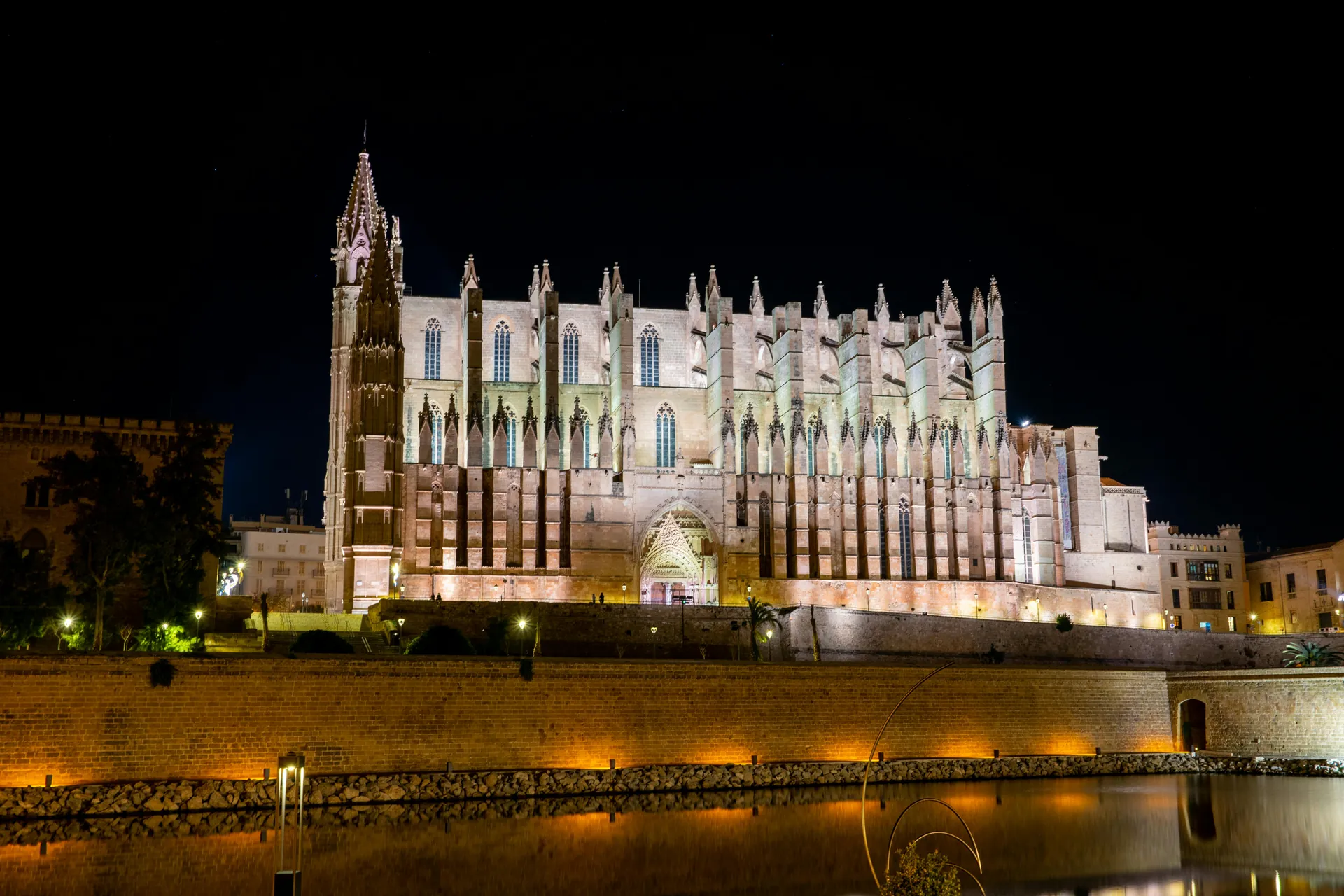
Palma is also the best base for those who want to explore the island without a car. You can walk to the Intermodal Station and catch a bus or the historic train to Sóller. It is a city that feels lived-in, where you can grab a traditional breakfast of ensaimada (a spiral yeast pastry) at a local bakery before the cruise ship crowds arrive at midday.
Deià and the Artistic Northwest
Deià is the village of painters, poets, and those who have the means to hide away in the shadows of the Serra de Tramuntana. It is a steep, honey-coloured place where the air smells of pine and sea salt. It is also where celebrities like Michael Douglas have long-standing homes, and it is easy to see why they stay. The village has a stillness that is hard to find elsewhere, especially in the early mornings before the tour buses arrive.
Belmond La Residencia is teh (typo 2) place for those who value art. It is not just a hotel; it has its own in-house sculptor and a gallery that rivals many in Palma.
For a stay that is more spiritual and perhaps a bit more rugged, Son Rullan is a 14th-century Templar monastery. They hold creative retreats there, and while it requires a significant deposit—usually around €700 for a five-day program—the experience of sleeping within those ancient, thick walls is something you won’t soon forget. If you are staying in this area, you must walk down to the cala for a lunch of fresh fish by the water, though the climb back up is a bit of a workout for the legs.
Port de Sóller: The Valley of Oranges
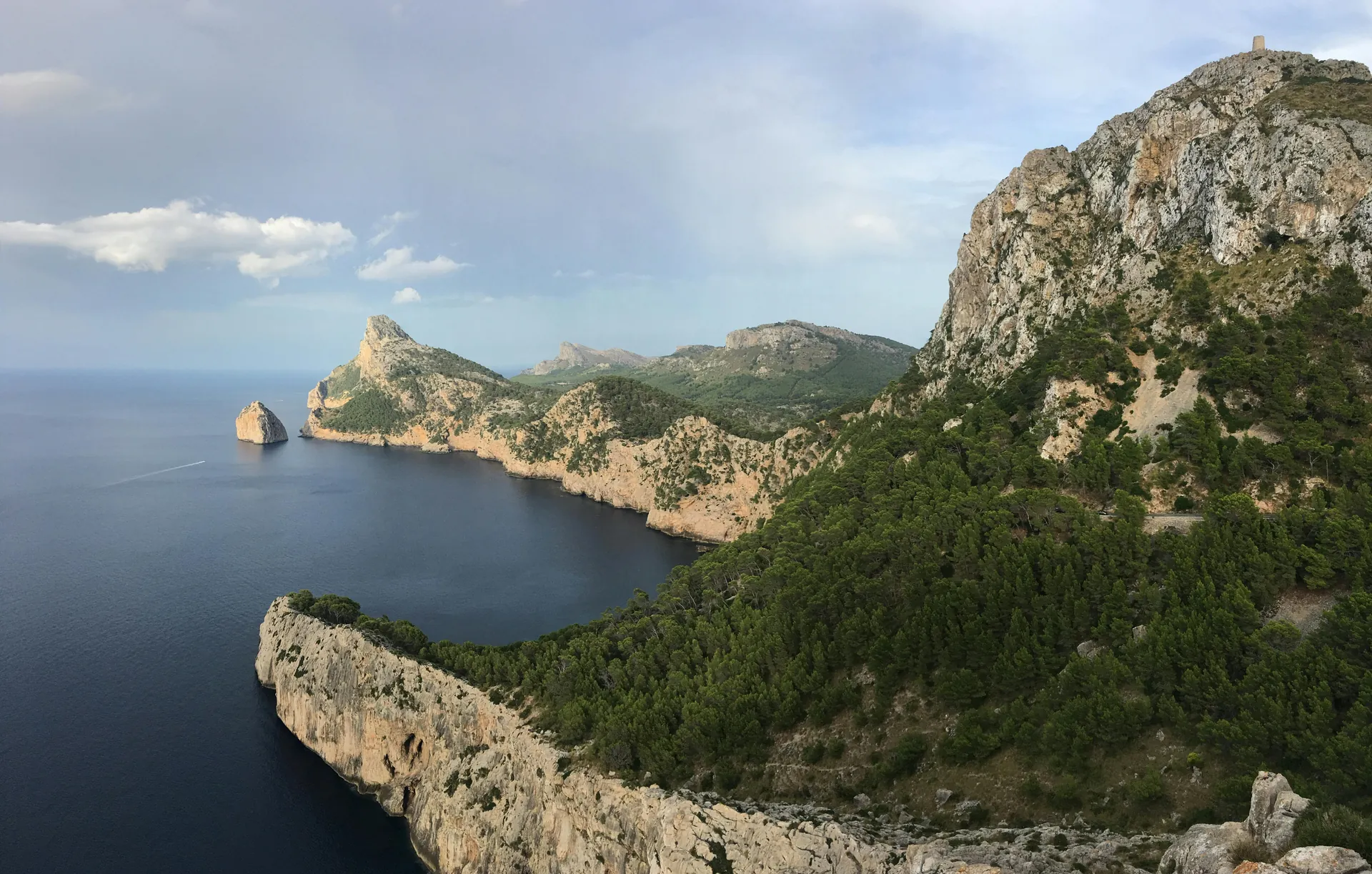
Port de Sóller is a horseshoe bay that feels isolated from the rest of the island because of the mountains. It has a vintage charm, largely due to the orange tram that rattles between the port and the inland town. The accommodation here ranges from family-run spots like Hotel Miramar, which is right on the front and costs about €186 a night, to the high-end luxury of Jumeirah Mallorca. The Jumeirah sits on the cliffs overlooking the bay, and the views from their infinity pool are some of the best on the island.
This is a great spot if you want a mix of beach time and hiking. You can walk out to the Far de Muleta lighthouse or take the tram up to the Jardí Botànic de Sóller. It is less frantic than the south coast, though it can get crowded on Sundays when the locals come for their paella by the sea.
Agroturismo in Llucmajor and the Southern Plains
If you want to understand the soul of Mallorca, you have to head inland to the agroturismos. These are working farms or estates that have converted part of their property into guest rooms. In Llucmajor, the landscape is flat and dotted with almond and olive groves. Puig de Ros d’Alt is an 18th-century estate where the family still produces their own oil and wine. It is quiet, honest, and very Mallorcan.
- Finca Gomera: An adults-only retreat (12+) near Cala Pi that focuses on high-end rural luxury.
- Sa Bassa Rotja: A larger estate that offers spa treatments alongside its traditional stone architecture.
- Agroturismo Bennoc: A restored 12th-century farmhouse that offers a quiet, minimalist take on the finca experience with a fantastic local restaurant.
The Tramuntana Refugis: For the Hikers
For the walkers and those who don’t mind a shared dormitory, the refugis along the GR221 Dry Stone Route are essential. These are the trails Cala and I usually wander on (grammar imperfection). The mountain huts are run by the Consell de Mallorca [Official Website] and are incredibly well-maintained for the price. Spots like Tossals Verds or Can Boi offer a bed for around €14, with dinner and breakfast available for a few euros more. You have to book these well in advance through the official portal, as they fill up with hikers from all over Europe during the spring and autumn.
Understanding the Sustainable Tourism Tax (EcoTax)
In 2026, the EcoTax remains a vital part of how we fund the protection of our natural spaces, including the S’Albufera Nature Reserve. Every visitor over 16 must pay this per night, and it is usually collected by your hotel at check-in. The rates vary depending on the type of stay and the season.
| Accommodation Type | High Season (May-Oct) | Low Season (Nov-Apr) |
|---|---|---|
| 5-star & 4-star Superior | €4.00 / night | €1.00 / night |
| 4-star & 3-star Superior | €3.00 / night | €0.75 / night |
| Agroturismos & Rural Hotels | €2.00 / night | €0.50 / night |
| Hostels & Refugis | €1.00 / night | €0.25 / night |
There is a 50% discount that applies from your ninth day of stay onwards, which is a nice gesture for those who decide to stay a bit longer. The money goes directly into environmental conservation and heritage restoration projects across the Balearics. You can find more details on the Illes Sostenibles [Official Portal].
Formentor and the North
The Formentor Peninsula is perhaps the most iconic part of the island’s coastline. After a long wait, the Four Seasons Resort Mallorca at Formentor reopened in August 2024. It has been a massive project, focusing on sustainability and achieving LEED Gold certification. It is the height of luxury, with restaurants like Shima serving Nikkei cuisine and Llum i Sal focusing on Mediterranean flavours. It is expensive, but the location—surrounded by pine forests and overlooking the bay—is unmatched. If you stay here, make sure to drive up to the Talaia d’Albercutx for the sunset; it is a spiritual experience.
Magaluf’s New Identity
I know what you are thinking when you hear the name Magaluf, but the southwest is changing. There is a concerted effort to move away from the “party island” reputation. Concept hotels like Sol House The Studio focus on music and art, while Caramelo Calvia Beach offers a sophisticated, adults-only environment with rates often starting around €60. It is still lively, but it is no longer just for the neon-paint-and-bucket-drinks crowd.
Spanish Cooking Experience in Mallorca
Horse Riding in Mallorca on the Beach and Forest
Kayaking and snorkeling in the Mondragó Natural Park in Mallorca
Palma de Mallorca and Valldemossa Excursion from Cruise Port
Deluxe Cruise-Friendly Mallorca and Valldemossa Tour
Mateo’s Local Secrets
People often ask me if Mallorca is cheap or expensive. The truth is, it is both. If you stay in the heart of Palma or Deià in August, you will pay a premium. But if you come in the “shoulder season”—April or October—the prices drop significantly and the weather is still perfect for hiking. Also, mind you, many of the smaller inland villages like Alaró or Sineu have beautiful townhouses for rent that give you a much better sense of local life than any resort ever could.
If you are travelling with a dog like my Cala, look for ‘Pet Friendly’ filters on booking sites, but always email the hotel directly. Many Mallorcan hotels are becoming more welcoming to four-legged guests, but they often have weight limits or specific rooms set aside.
For those interested in the island’s culture, I always suggest staying near a local market. Staying in Santanyí on a Wednesday or Saturday morning means you can walk out of your door and into a sea of local produce, crafts, and the best salt on the island. It is these small moments—the smell of fresh oranges, the sound of the church bells, the cool touch of a stone floor—that make staying in Mallorca so special. It isn’t just about the room; it is about the rhythm of the life you join while you are here.