
The Real Mallorca: Beyond the Shallows
Discover the physical and cultural bones of Spain’s most misunderstood island. From soaring sandstone cathedrals to the silent, terraced slopes of the Tramuntana.
Explore the Mountains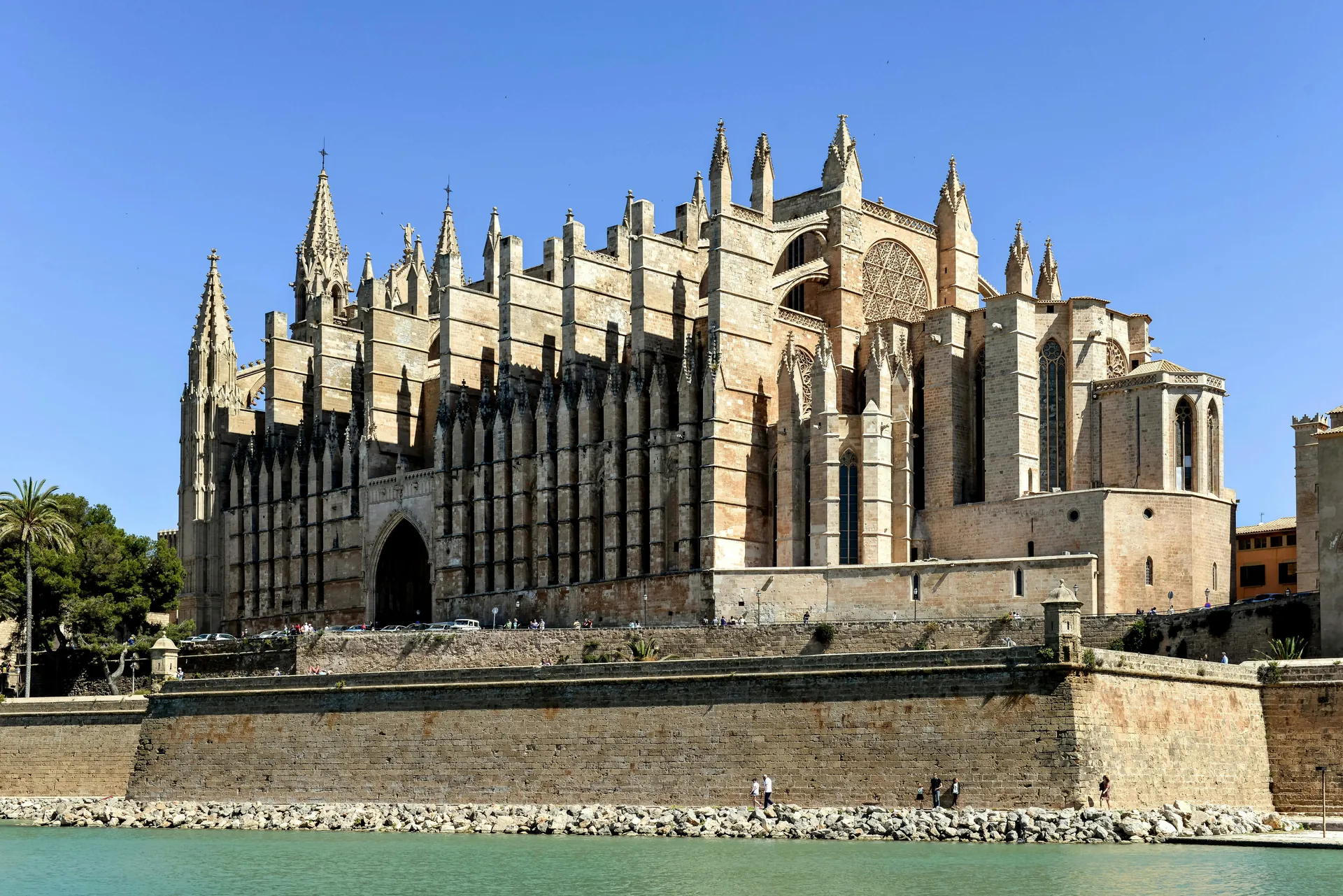
Immersive Experiences: Book Your Adventure
From the kitchen to the sea, experience Mallorca with your own two hands. I’ve curated a selection of local, highly-rated activities that show off the island’s true character.
Spanish Cooking Experience in Mallorca
Mallorca Full-Day VIP Tour: Valldemossa, Deià & Sóller Experience
Palma de Mallorca Private Boat Trip with Water Toys and 25 Coves
3-Hour Beach Horse Riding to Discover the Beauty of Alcudia Bay
Mallorca: Kayaking, Sea Cave, Cliff Jumping & Snorkel Tour
Sunrise Boat Trip in Mallorca with Dolphin-Watching
There is a distinct, heavy silence that blankets the Mallorcan interior just before dawn. My dog, Cala—a scruffy Podenco mix with an absolute obsession for chasing geckoes—usually breaks it with a soft whine, eager to hit the trails before the sun bakes the earth. I’m Mateo Valero, and I’ve spent my entire life tracing the veins of this island. If you’ve come here looking for the standard itinerary of neon-lit bars and crowded sands, you’re on the wrong site. Mallorca is not merely a backdrop for cheap cocktails; it is an island forged from ancient stone, breathtaking architectural defiance, and a deep, grounded connection to the Mediterranean enviornment.
To truly understand Mallorca, you must look past the superficial veneer of modern tourism and examine its bones. The architecture here doesn’t just sit on the landscape—it is excavated directly from it. Let me take you on a proper journey through the materials, the laws, and the local wisdom that keep the true spirit of this island alive.
The Golden Heartbeat: Marés Sandstone Construction
If Mallorca had a pulse, it would beat in the warm, golden hues of marés. This highly porous, local marine calcarenite—essentially sandstone formed from compressed fossiliferous sands and seashells cemented by limestone—is the literal foundation of our history. Run your hand along the walls of the Royal Palace of La Almudaina or Bellver Castle, and you are touching the prehistoric seabed.
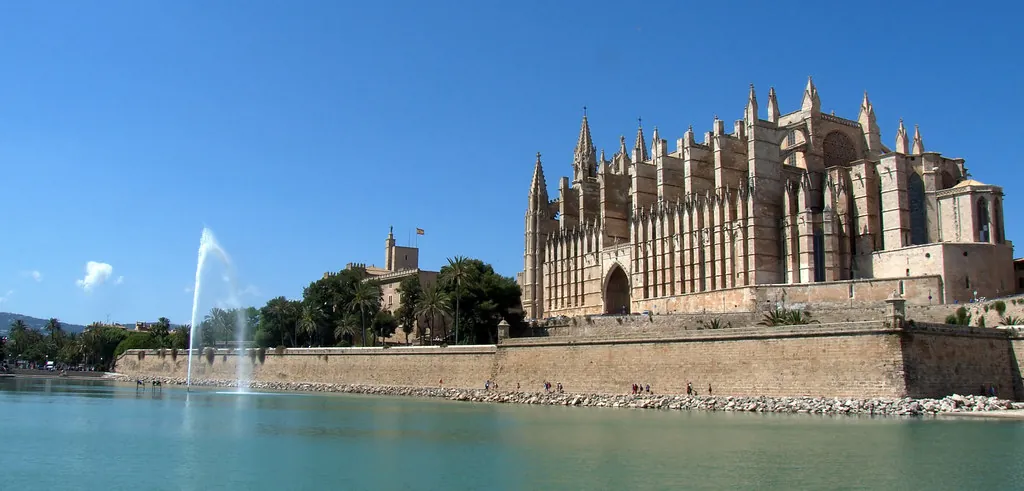
Nowhere is the daring of marés more evident than at Palma Cathedral (La Seu). Standing by the waterfront, it is a Gothic leviathan. The architectural audacity required to build it still baffles modern engineers. The central piers, carved entirely from this local stone, rise a staggering 21 metres with a base diameter of just 1.5 metres. That creates a slenderness ratio of 14:1, an almost impossible feat of Gothic proportions that channels the divine through sheer structural tension.
Mind you, the historical coastal quarries were eventually exhausted. Yet, we are witnessing a remarkable modern resurgence. In a bid to combat climate change, the Balearic Housing Institute (IBAVI) has pioneered the use of marés in low-carbon social housing projects, such as those in Santa Margalida. The stone’s incredible thermal mass, often combined with traditional barrel-vaulted forms, provides excellent natural insulation, helping these modern buildings achieve A-rated energy efficiency without relying heavily on artificial cooling.
Sculpting the Tramuntana: Traditional Dry Stone Walling
When Cala and I need to escape the heat of Palma, we head to the Serra de Tramuntana. This mountain range, running down the island’s northwest spine, is a masterclass in human adaptation. The entire landscape is terraced by pedra en sec (dry stone walling). Built without a single drop of mortar, these walls rely entirely on the precise locking of unhewn stones, allowing water to drain naturally through the gaps while holding back the earth.
This ancient technique, which creates the marjades (agricultural terraces) necessary for olive, carob, and almond cultivation, is so culturally vital that it was designated a UNESCO Intangible Cultural Heritage of Humanity in 2018. For those wanting to experience it first-hand, there is no better way than hiking the GR 221, aptly named the Dry Stone Route. It’s a rugged, soul-cleansing trek that connects ancient mountain estates and offers views that will humble you.
Hidden Sanctuaries & Bioclimatic Wisdom
Down in the capital, Palma holds a well-kept secret. Behind the heavy wooden doors of the 15th to 20th-century noble houses lie the city’s famous interior courtyards. Palma isn’t just a port; it is historically known as the “city of patios”. Spaces like Casal Balaguer and Can Vivot showcase stunning Imperial staircases and a blend of Roman and Catalan architectural influences. But these courtyards aren’t just for show.
They are the core of traditional bioclimatic design. Long before modern air conditioning, Mallorcan builders mastered the Mediterranean climate. Homes were designed with south-facing L-shaped volumes to capture winter sun while blocking harsh summer rays. The courtyards act as thermal chimneys. When the heavy wooden shutters are adjusted, they draw cool air through the thick marés walls, creating cross-ventilation that lets the building breathe. It’s a natural mastery of the elements, esepcially noticeable if you visit the ancient Banys Àrabs (Arab Baths) where thermal dynamics were understood centuries ago.
Mateo’s Local Insight: Grounded Beauty
If you rent a traditional house, take off your shoes. The tactile experience of traditional mud and clay tiles, alongside bespoke Mallorcan cement flooring, is pure magic. These heavy materials absorb the ambient cool of the earth, acting as natural heat sinks that keep interiors delightfully chilled during our scorching August afternoons.
The Finca Renaissance & Mediterranean Xeriscaping
Recently, there has been a profound shift in how people approach property here. The “Finca Renaissance” sees locals and expats alike restoring vernacular stone farmhouses on rural estates (suelo rústico). But you cannot simply build whatever you like. Strict local regulations, specifically Law 9/2020, mandate the preservation of dry-stone elements and traditional aesthetics to stop the island from turning into a concrete theme park.
This respect for the land extends to the gardens. The era of water-guzzling green lawns is dead. Today, Mediterranean xeriscaping rules. Landscape designers focus on water-wise, drought-resistant gardens that blend seamlessly into the topography. Native flora, hardy fruit trees, and mandatory rainwater collection systems (aljubes) ensure that homes work with the island’s limited water resources rather than fighting them.
Preserving the Horizon: The Spanish Coastal Law
Why doesn’t Mallorca look like the towering concrete jungles of other Mediterranean coasts? We owe much of our preserved horizon to the Ley de Costas (the Spanish Coastal Law of 1988). This brilliant piece of legislation enforces a strict 500-metre “zone of influence” from the shoreline, implementing severe height limitations and preventing high-rise developments from walling off the sea. It ensures that when you stand on a beach, you see the sky, the pines, and the water—not a monolithic hotel block.
Explore the Island: Iconic Places to Visit
Get out of your resort and witness the history carved into the island. Here are a few must-visit landmarks that capture the essence of Mallorca.
Castell d’Alaró
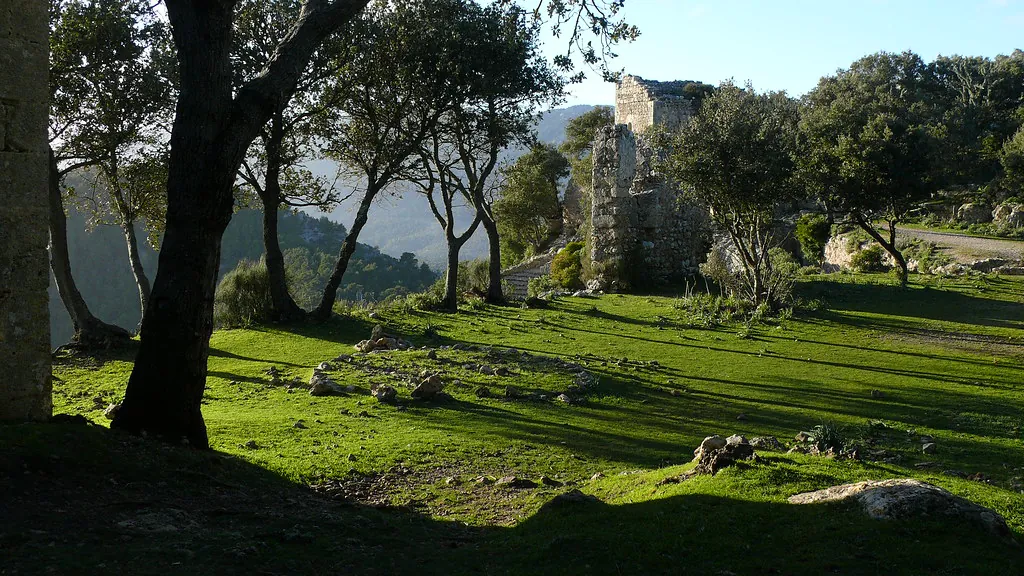
Perched perilously on a craggy peak, this ancient ruined fortress offers panoramic views and a steep, rewarding hike steeped in local myth.
Read Guide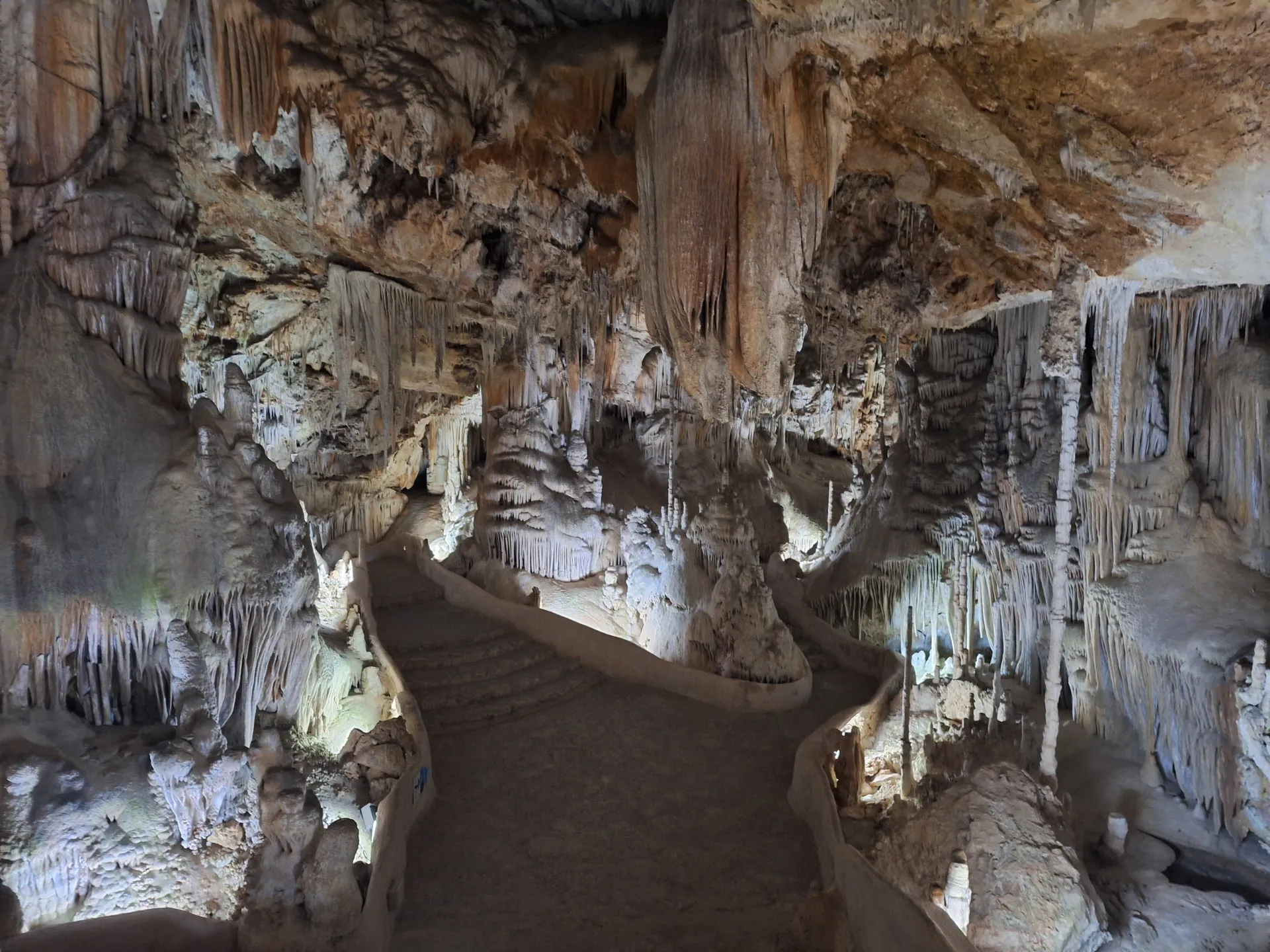
Coves de Campanet
Skip the crowded tourist caves and descend into this subterranean wonder, featuring pristine stalagmites and a wonderfully eerie silence.
Read Guide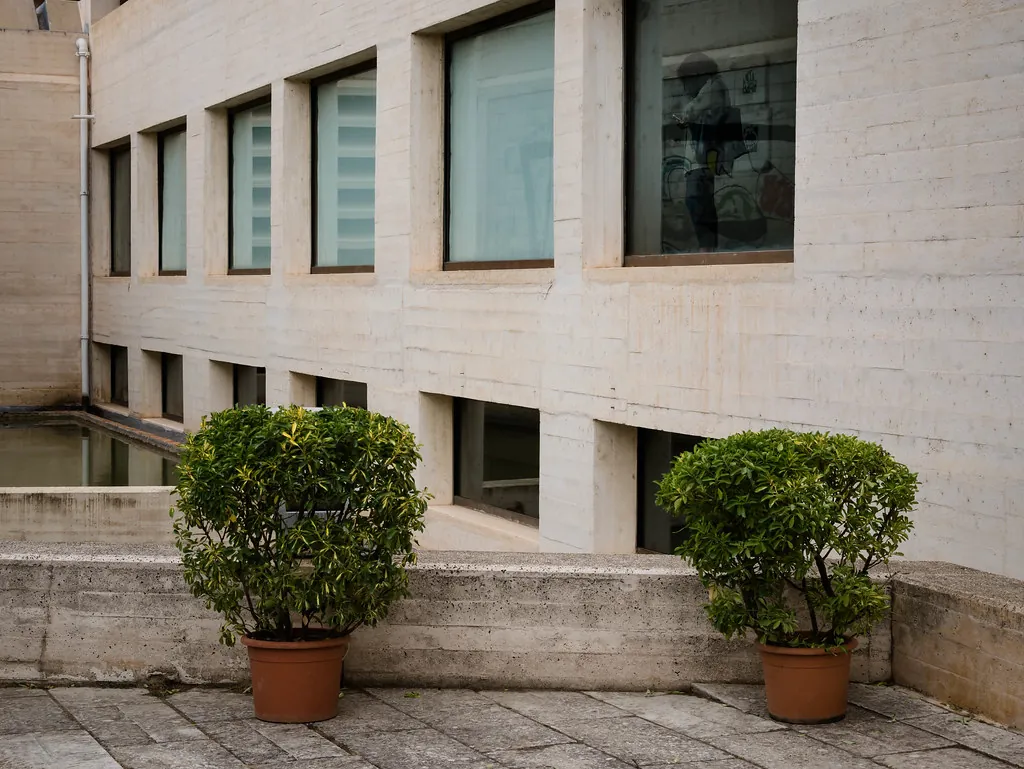
Fundació Pilar i Joan Miró
Step inside the beautifully preserved studios of the iconic surrealist painter, perfectly integrated into the Mallorcan hillside.
Read Guide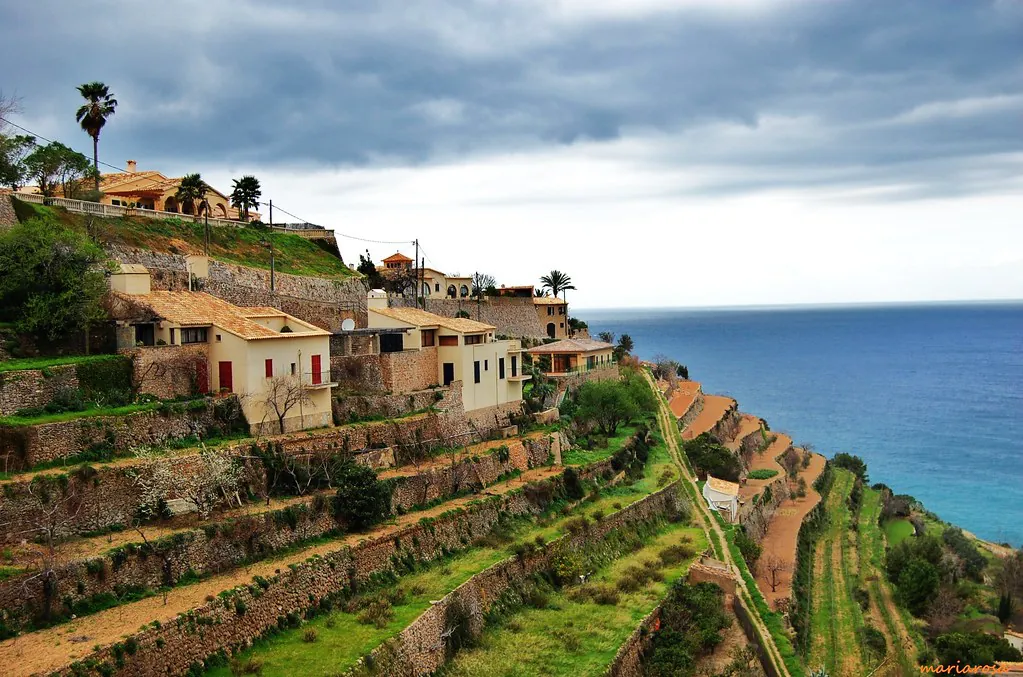
Serra de Tramuntana
The rugged, limestone backbone of Mallorca. A UNESCO World Heritage site offering world-class hiking, cycling, and hidden mountain villages.
Read Guide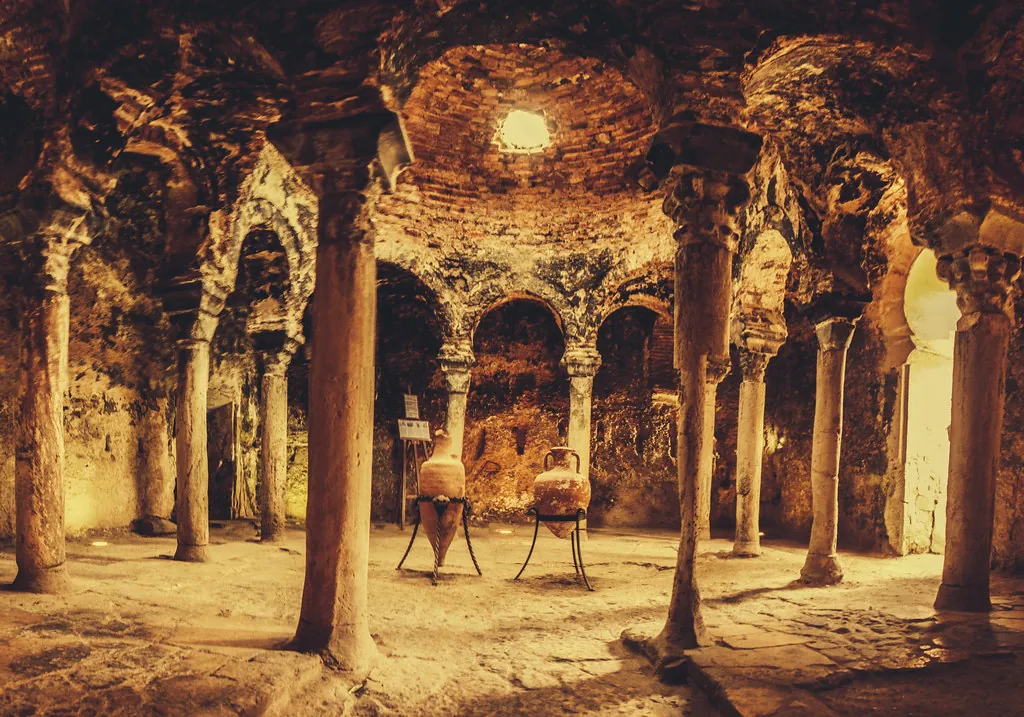
Banys Àrabs
A serene, 11th-century remnant of Palma’s Moorish past. Wander through the lush gardens and marvel at the domed caldarium.
Read Guide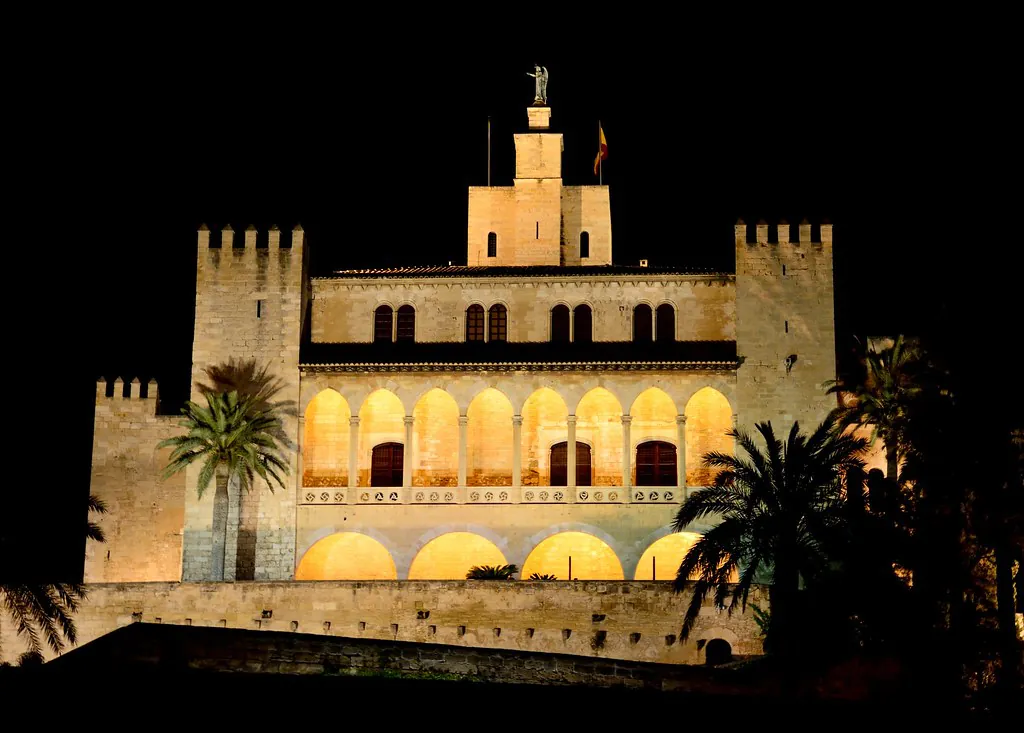
Royal Palace of La Almudaina
The official summer residence of the Spanish King. A masterclass in Gothic and Moorish architectural fusion built with golden marés stone.
Read GuideFind Your Element: Top Activity Categories
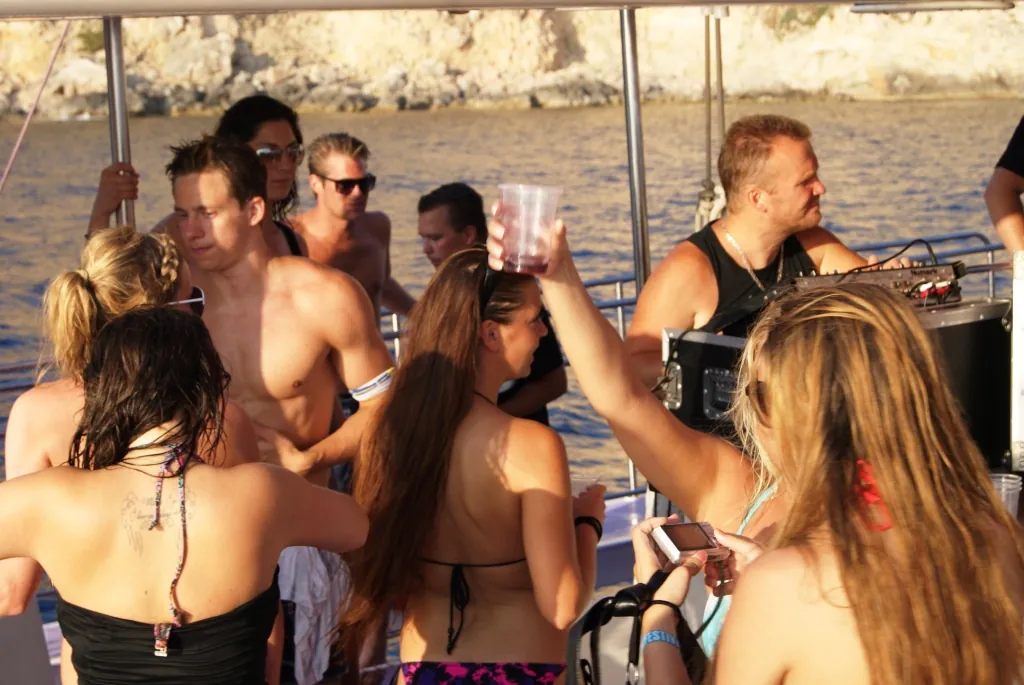
Boat Tours & Cruises
Navigate the pristine turquoise waters of the Balearic Sea. Discover hidden calas and dramatic sea cliffs only accessible by boat.
View Sailings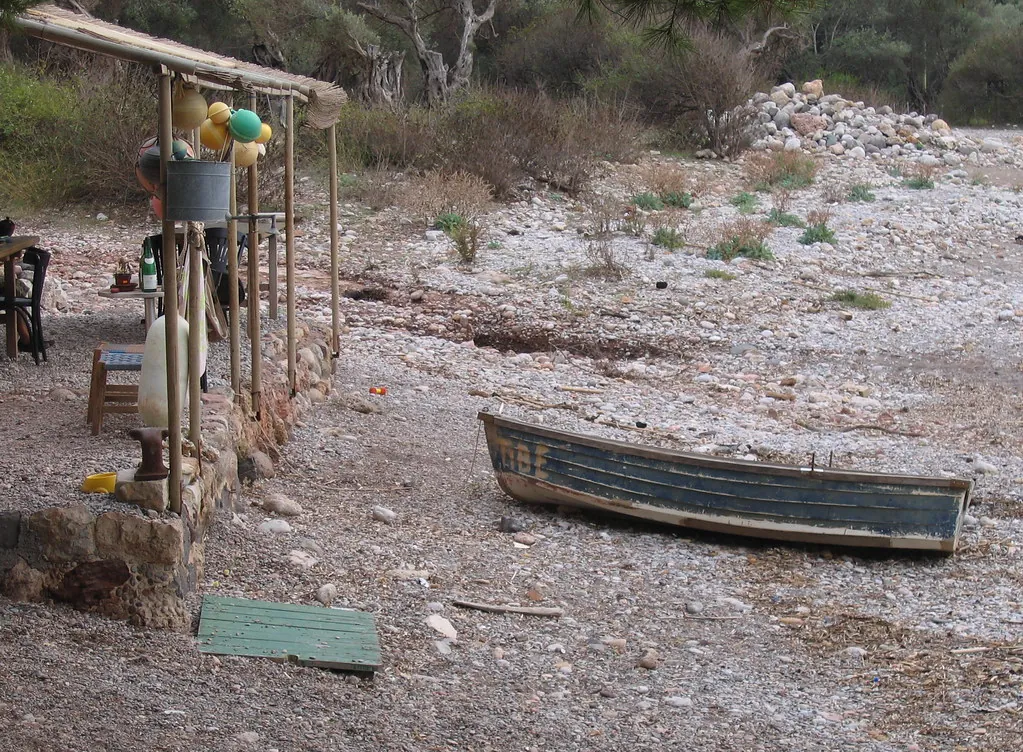
Snorkeling & Kayaking
Paddle quietly into secluded sea caves or don a mask to explore the vibrant marine reserves thriving just beneath the surface.
Get on the Water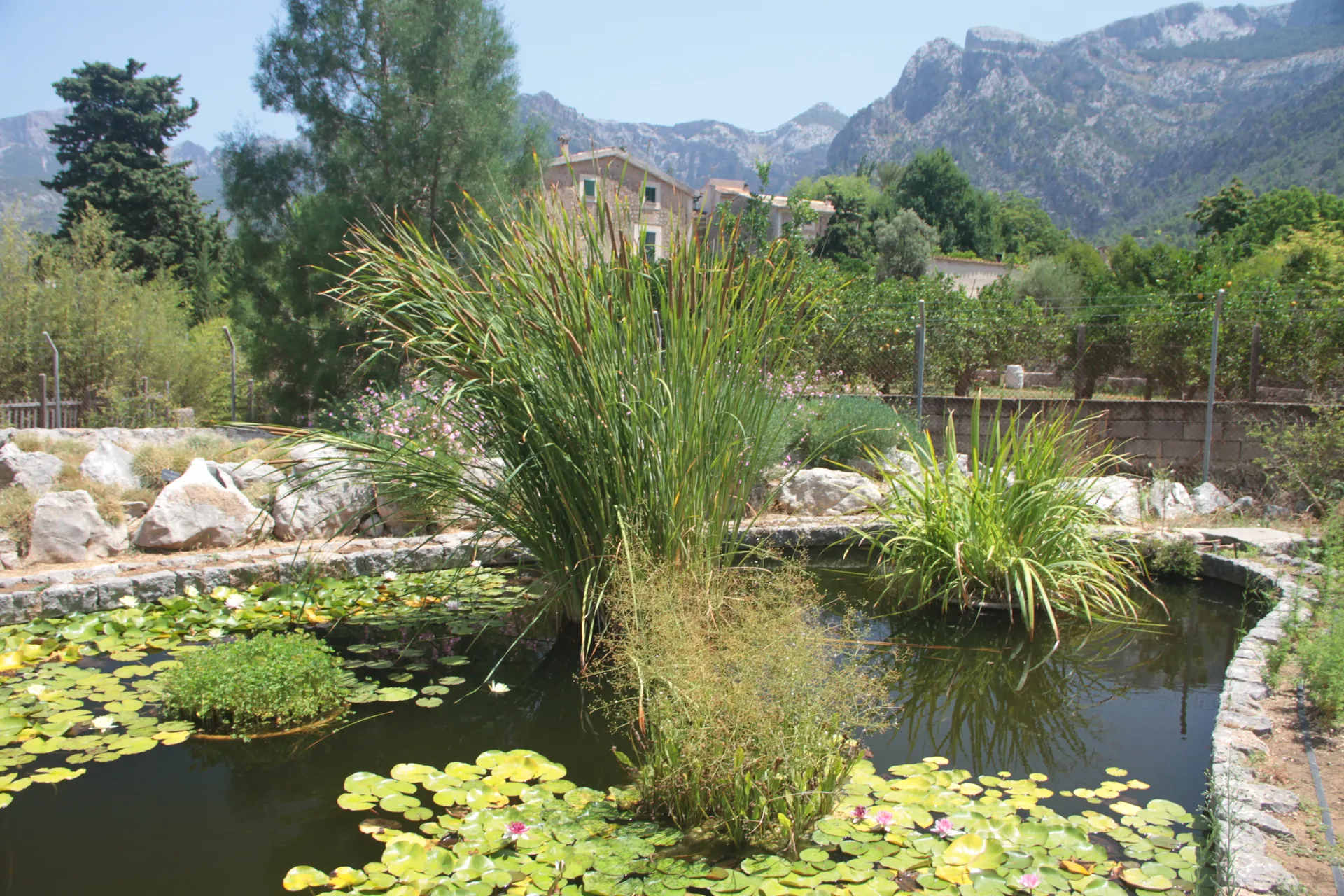
Food, Wine & Culinary
Taste the island’s history. Join rural wine tastings and hands-on cooking classes that highlight our rich agricultural heritage.
Taste MallorcaPractical Island Wisdom & Latest Insights
Navigating the island requires a bit of local know-how. Before you pack your bags, read up on how to seamlessly blend into the Mallorcan rhythm.
Public Transport Guide
Skip the rental car queues. Learn how to navigate the island efficiently using the excellent TIB bus network and the historic wooden Sóller train.
Read the GuideBest Time to Visit
Avoid the sweltering August crowds. Discover my favourite months for hiking the Tramuntana and enjoying crowd-free cultural tours.
Plan Your DatesTraditional Foods
From sweet, flaky Ensaimada to rich, paprika-spiced Sobrassada, learn what to order at authentic local celler restaurants.
Eat Like a Local