
Los ecos silenciosos de Medina Mayurqa: un paseo por los Banys Àrabs
Las calles empedradas de Palma acumulan calor como el horno de un panadero a mediados de agosto, pegándose a la piel hasta encontrar el refugio sombrío del casco antiguo. Ayer paseaba por allí con Cala, mi paciente perra ratonera mallorquina, y nuestros pasos nos llevaron hacia el Carrer de Can Serra. La mayoría de los visitantes se apresuran hacia la imponente [Catedral de Palma](/places/palma-cathedral/), pero existe una serenidad muy particular en los rincones más discretos de nuestra historia. Tras un pesado portón de madera descansan los Banys Àrabs, el único vestigio material tangible de la urbe islámica de Medina Mayurqa, que se erigía justo donde hoy nos tomamos un café solo.
Estos baños datan del siglo X, un periodo en el que Mallorca florecía como centro de cultura y ciencia andalusí. Es un enclave modesto, sin duda, pero transmite una extraña amplitud gracias al silencio. Cala ya se sabe el protocolo: se tumba al cobijo del muro exterior de piedra —los perros no tienen permitido el acceso al interior de las ruinas—, satisfecha con la brisa fresca que se escapa del jardín. Cruzar al interior es adentrarse en un remanso temporal que el resto de la ciudad olvidó reformar o demoler.
La ingeniería del vapor: el arte del hammam
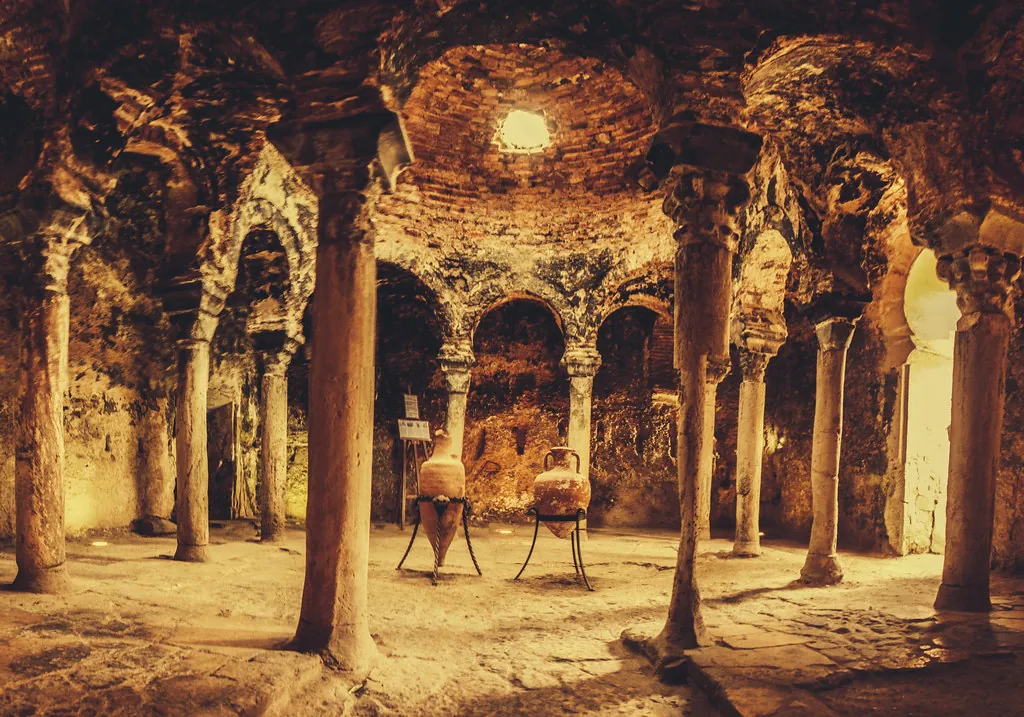
La estancia central corresponde a los restos del caldarium, la sala de calor de lo que en su día fue un hammam de mayores dimensiones. Es una planta cuadrangular que adquiere una cadencia circular gracias a las doce columnas que sostienen la cúpula de ladrillo. Al mirar hacia arriba, se distinguen los oculi: pequeñas lumbreras por donde la claridad se cuela en sólidos haces de luz. Cuando los baños funcionaban, estas aberturas permitían evacuar el vapor, generando un juego de claroscuros y bruma que debió de ser fascinante de presenciar.
Below the floor, the Moorish engineers built a hypocaust system. They burned wood and coal to heat the floor from beneath, while water was poured over the hot stones to create a thick, cleansing steam. It was a proper feat of engineering for the 10th century. Today, the floor is cold stone, but you can still see the channels where the heat once flowed. It is a spot to just sit and look at.
The capitals of the columns are all different because they were salvaged from Roman and Byzantine ruins—a physical record of Mallorca’s layers.
Recycled History in the Forest of Columns
One of the most fascinating things about the Banys Àrabs is the lack of uniformity. If you examine the capitals—the carved tops of the twelve columns—you will see they don’t match. This is because the Moorish builders were practical. They took what was left from the Roman period and reused it. Some are simple, others are heavy with carved acanthus leaves. It reminds me that Mallorca has always been a place of recycling and adapting. We don’t just throw things away; we build the new on top of the old.
The room is small, and you might only spend twenty minutes here, but the atmosphere is heavy. It is easy to imagine the noblemen of Medina Mayurqa sitting here, discussing politics or trade while the steam rose around them. If you are interested in this era, I recommend visting the [Museo de Mallorca](/places/museo-de-mallorca/) just a short walk away, as it holds many of the smaller artefacts found in these urban excavations.
The Courtyard Garden: A Green Sanctuary
Outside the brick dome is a garden that feels like a private jungle. It is filled with orange trees, palms, and bitter laurel. In the spring, the smell of orange blossom is so thick you can almost taste it. It is the perfect place to hide from the midday sun when the city feels a bit too much. I often see travelers here looking at their maps, but the best thing to do is put the map away and just breathe in the damp earth and the scent of the leaves.
For those wandering the city, this is a much-needed break from the more crowded spots like the [Royal Palace of La Almudaina](/places/royal-palace-of-la-almudaina/). While the palace represents the power of kings, the baths represent the daily life and rituals of the people who lived here a thousand years ago. It is a humble site, but it is one of the reasons why Mallorca is so famous—our history isn’t just in books; it’s under our feet and in our back alleys.
Practical Details for Your Visit
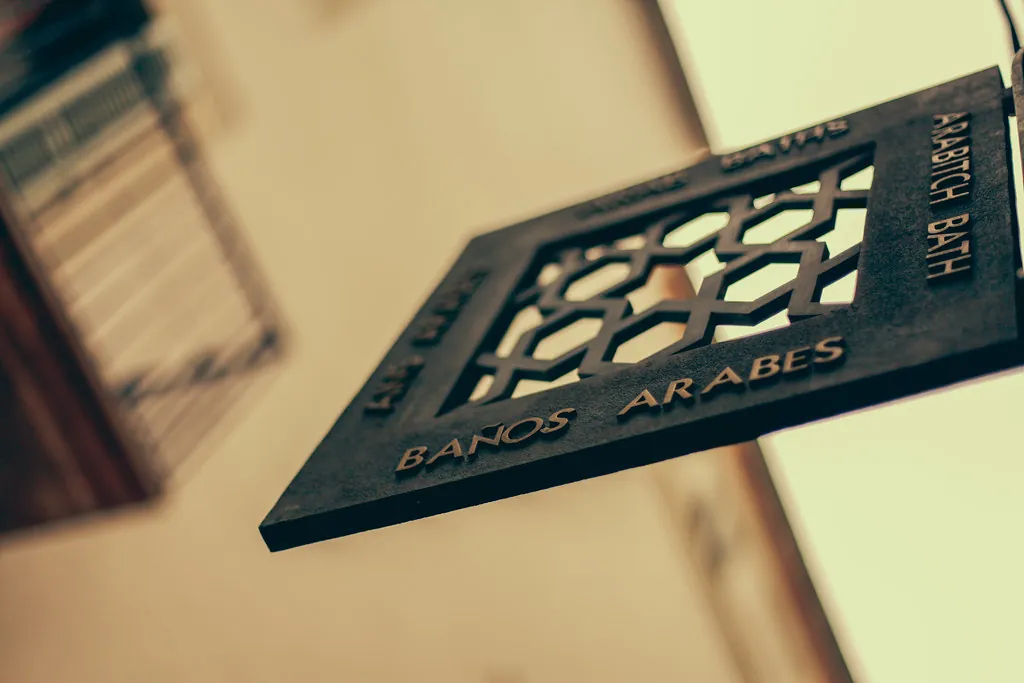
Finding the baths can be a bit of a challenge if you aren’t used to the maze of the old quarter. Look for the signs near the Bishop’s Palace. The entry fee is small, and it goes toward the preservation of this private site. If you are planning a full day in Palma, you might consider a [Tuk Tuk Tour in Palma de Mallorca](https://www.viator.com/tours/Mallorca/Tuk-Tuk-Tour-in-Palma-de-Mallorca/d955-5518602P2?mcid=42383&pid=P00271667&medium=api&api_version=2.0&campaign=thingstodoinmallorcaorg) to get your bearings before walking these narrow lanes on foot.
| Season | Opening Hours | Admission |
|---|---|---|
| Summer (April – Nov) | 09:30 – 20:00 | €3.50 |
| Winter (Dec – March) | 09:30 – 19:00 | €3.50 |
| Children (Under 10) | Daily | Free |
You can find more information on the [Official Tourism Website](https://www.visitpalma.com/ca/descobrir/que-veure-i-que-fer/cultura/pln515/banys-arabs-la-petjada-musulmana) regarding holiday closures. It is also worth noting that while Palma is generally safe, you should be careful of your belongings in the narrow streets where crowds gather, though the area around the baths is usually very quiet.
Beyond the Baths: Exploring the Casco Antiguo
Once you have finished your moment of reflection in the caldarium, don’t just head back to the main road. The streets surrounding the Banys Àrabs are full of hidden courtyards belonging to old aristocratic families. You can often peek through the iron gates to see grand staircases and lush plants. If you’re hungry, this part of Palma is famous for its traditional bakeries where you can find a proper Ensaimada, the spiral pastry that is the soul of a Mallorcan breakfast.
If you’re looking for a more active way to see these sites, a [Palma de Mallorca Bike Tour](https://www.viator.com/tours/Palma-de-Mallorca/Mallorca-Shore-Excursion-Palma-Bike-Tour-Including-Palma-Cathedral-and-Parc-de-la-Mar/d60462-6569PRTPMIBIKE?mcid=42383&pid=P00271667&medium=api&api_version=2.0&campaign=thingstodoinmallorcaorg) often stops nearby, allowing you to cover the distance between the baths, the cathedral, and the waterfront without tiring out your legs. For those staying longer, I always suggest spending at least three to four days in Palma to really soak in the atmosphere before heading to the [Serra de Tramuntana](/places/serra-de-tramuntana/) or the beaches.
Spanish Cooking Experience in Mallorca
Horse Riding in Mallorca on the Beach and Forest
Kayaking and snorkeling in the Mondragó Natural Park in Mallorca
Palma de Mallorca and Valldemossa Excursion from Cruise Port
Deluxe Cruise-Friendly Mallorca and Valldemossa Tour
Local Tip: Visit the baths around 2:00 PM. While everyone else is at lunch, the light hits the dome at its sharpest angle, and you will likely have the entire garden to yourself.
— Mateo Valero
Mallorca is often associated with the sea and the sun, but it is these quiet, brick-and-mortar remnants of the past that give the island its true character. The Banys Àrabs are not grand like the [Bellver Castle](/places/bellver-castle/), but they are intimate. They remind us that even in a city that is constantly moving forward, there are places where time has agreed to stand still. I picked up Cala’s lead, and we headed back toward the plaza, the cool air of the baths still clinging to my clothes like a memory of Medina Mayurqa.